Category: Uncategorized

  • Avoid Moisture and Mold: Tips for Temporary Window Coverings

    Avoid Moisture and Mold: Tips for Temporary Window Coverings

    Temporary Window Coverings, Condensation & Indoor Air Quality Considerations – Nanaimo, Mill Bay, Cowichan, Duncan, Ladysmith, Nanoose, Parksville, Qualicum, Port Alberni, Courtenay, Comox, Campbell River and all of Vancouver Island

    Issued by: Pacific Decontamination Services
    Applies to: Occupants, Landlords & Property Managers
    Distribution: Tenants, Strata Councils, Building Management
    Region: Nanaimo & Vancouver Island


    Purpose of This Advisory

    This advisory is intended to inform occupants, landlords, and property managers of the potential risks of moisture, mold, and building materials associated with temporary plastic or poly window coverings, commonly used during colder months or renovation activities.

    While such coverings may appear to reduce drafts or heat loss, improper installation or prolonged use can unintentionally create conditions that support moisture accumulation, mold growth, airborne contamination, and damage to building materials.


    Technical Background

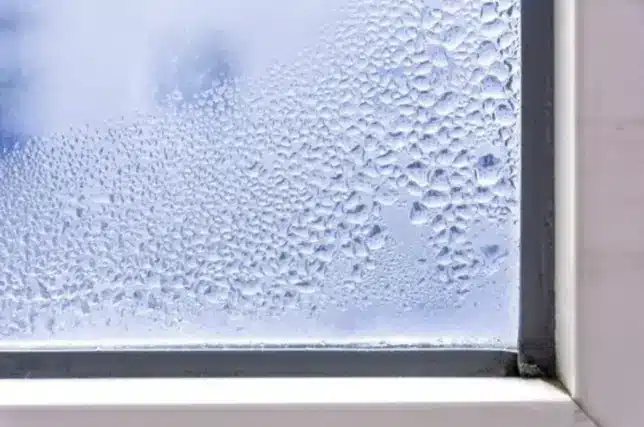
    Plastic or poly window coverings act as a vapor barrier. When warm, moisture-laden indoor air contacts colder window surfaces, condensation forms. When plastic coverings are installed tightly against windows:

    • Moisture can become trapped between the window and the plastic
    • Air circulation is restricted, preventing evaporation and drying
    • Condensation may persist for extended periods
    • Moisture can migrate into window frames, trim, drywall, insulation, and wall cavities

    These conditions may support active mold growth, often in concealed areas not immediately visible to occupants, landlords, or property managers.


    Health Considerations: Airborne Mold Spores & Mycotoxins

    When mold becomes established, it can release microscopic mold spores and, in some cases, mycotoxins into the indoor environment. These contaminants can become airborne and spread beyond the original moisture source.

    Potential health effects may include:

    • Irritation of the eyes, nose, throat, and skin
    • Worsening of asthma or other respiratory conditions
    • Headaches, fatigue, or flu-like symptoms in sensitive individuals
    • Increased risk to children, seniors, and immunocompromised occupants

    Because airborne spores and mycotoxins are not always visible and may not produce strong odors, exposure can occur without obvious warning signs. Early awareness and reporting are essential for protecting occupant health and managing risk.


    Property & Building Material Risks

    From a building and asset management perspective, prolonged moisture exposure from trapped condensation can lead to progressive deterioration of building materials, a concern for landlords and property managers responsible for maintaining the structure’s integrity.

    Potential impacts include:

    • Deterioration or rot of wood window frames and trim
    • Swelling, softening, or breakdown of drywall and gypsum board
    • Reduced effectiveness or saturation of insulation
    • Corrosion of fasteners and metal components
    • Hidden damage within wall assemblies and window interfaces

    If left unaddressed, these conditions can contribute to Condition 3 mold contamination, increase remediation costs, and elevate long-term maintenance and liability exposure.


    Increased Risk Factors

    Risk is elevated in:

    • Bathrooms, kitchens, and bedrooms
    • Units with limited ventilation or inconsistent exhaust fan use
    • Coastal or high-humidity environments
    • Buildings with tightly sealed envelopes
    • Extended or seasonal use of sealed plastic window coverings

    Recommended Best Practices

    To reduce risk, occupants, landlords, and property managers are encouraged to:

    • Avoid long-term use of sealed plastic or poly window coverings
    • Maintain adequate ventilation, particularly in moisture-producing areas
    • Ensure bathroom and kitchen exhaust fans are used as intended
    • Consider breathable thermal curtains or purpose-built interior storm windows
    • Maintain indoor relative humidity levels between 30–50%
    • Conduct periodic inspections for condensation, staining, or material deterioration

    Where plastic window coverings are already in use, routine inspection and moisture monitoring are strongly recommended.


    Reporting & Early Intervention

    Occupants are encouraged to promptly report the following to landlords or property managers:

    • Persistent condensation on windows or frames
    • Musty or earthy odors
    • Visible staining, discoloration, or material degradation
    • Peeling paint, bubbling finishes, or softened drywall near windows

    Early reporting allows landlords and property managers to take timely corrective action and helps prevent escalation into more extensive damage or contamination.


    Professional Assessment, Decontamination & Prevention Strategies

    Pacific Decontamination Services provides professional services for occupants, landlords, and property managers, including:

    • Moisture and mold assessments to identify active and hidden sources of moisture
    • Air and surface sampling to evaluate indoor air quality and contamination levels
    • Condition-based mold remediation and decontamination, performed in accordance with industry best practices
    • Prevention strategies, including moisture control recommendations, ventilation improvements, and material protection guidance

    Professional assessment and preventative evaluation can help reduce:

    • Structural and building material damage
    • Indoor air quality concerns
    • Tenant complaints and occupancy disruptions
    • Long-term remediation, repair, and liability costs

    Early intervention and proper decontamination are key to preventing minor moisture issues from developing into widespread mold contamination.

    What Can You Do?  We Can Neutralize Your Mold or Rodent Infestation!

    In most situations, Pacific Decontamination Services can neutralize your mold up 99.99999%. If our spray, fog or foam can touch it, we can neutralize it.  Our services come at a fraction of the cost as compared to the expensive approaches like soda / dry ice blasting, hepa vacuuming, scrubbing, removal of insulation and deconstruction and reconstruction of the attic and roof.


    We neutralize the mold, or bacteria in your attic, crawl space, home, building, vehicle, or property by applying our eco-friendly, safe chemical on all surfaces and airborne, focusing our efforts on the visible mold areas. Depending on the job, we apply our formula by spray, mist, foam, or fog. We further kill all airborne mold spores in your attic. The average time of our on-site service is approximately one hour. An additional four hours is required to achieve maximum effectiveness. We ask that you stay out of the attic for approximately 5 hours in total. Read more about how we work.

    Pacific Decontamination Services uses the world’s strongest, most effective and safe antimicrobial disinfectant, deodorization and chemical decontaminate. Our professional application will eliminate up to 99.99999% of any allergen, germ, bacteria or fungus that it touches. AND as powerful as it is, it is also completely safe.

    What do you do next? How do you solve the challenge of mold and associated health hazards?

    Call Pacific Decontamination Services at 778-269-0208 or email us at our email address: contact @ pacificdecon dot com

    Serving All of Vancouver Island: Victoria, Cowichan, Duncan, Nanaimo, Parksville, Qualicum, Courtenay, Comox, Campbell River, and Port Alberni.

  • Do you really need a mold inspection or testing?

    Do you really need a mold inspection or testing?

    Homeowners in Nanaimo, Victoria, Duncan, Parksville, Qualicum, Courtenay, Campbell River, Port Alberni and all other locations on Vancouver Island many times ask the question: Do I really need a mold inspection or testing?

    If you see mold, testing is usually unnecessary.  You may want to invest your money directly into eliminating the mold and mold spores.

    If you already see obvious, visible mold, you usually do NOT need a mold inspection or mold testing — you simply need to neutralize the mold and mold spores.

    There are many cases where a mold inspection and mold testing IS a good idea, and we discuss these below. We also believe home mold tests that you can buy at hardware stores are a waste of money.

    Many customers who call us already see visible mold and think they therefore need to get it tested to determine what type of mold it is, whether it is toxic, and other characteristics.

    Do you think some companies who inspect for mold care to reveal that testing is often unnecessary when they have an easy $450-$1000 mold inspection on the table from a worried customer who is misinformed? Maybe not…it is something to think about.

    Why is a mold inspection sometimes unnecessary if there is visible mold?

    Don’t you need to know what kind of mold it is so you can determine whether its toxic? Not always. For starters, so called “Black Mold” is a term that is badly misused and misunderstood.

    Secondly, once you already see obvious, visible mold, you might just want to assume it is toxic.  Assuming the worst, you move forward on eliminating it quickly.

    If this all sounds too hard to believe, especially coming from a mold company, do not take our word for it. Here is what the Environmental Protection Agency from our neighbours to the South says verbatim:

    Is sampling for mold needed?  In most cases, if visible mold growth is present, sampling is unnecessary. Since no EPA or other federal limits have been set for mold or mold spores, sampling cannot be used to check a building’s compliance with federal mold standards.  Surface sampling may be useful to determine if an area has been adequately cleaned or remediated.  Sampling for mold should be conducted by professionals who have specific experience in designing mold sampling protocols, sampling methods, and interpreting results.  Sample analysis should follow analytical methods recommended by the American Industrial Hygiene Association (AIHA), the American Conference of Governmental Industrial Hygienists (ACGIH), or other professional organizations. (Source: EPA)

    How to Remove, Eliminate and Remediate Mold in Attics in Victoria, Duncan, Nanaimo, Parksville, Qualicum, Port Alberni, Comox, Courtenay, and Campbell River

    Pacific Decontamination Services neutralize your mold by applying our eco-friendly, safe chemical into your attic. Depending on the job, we apply our formula by spray and fog. We do not use a tent. The average time of our on-site service is approximately one hour. An additional four hours is required to achieve maximum effectiveness. We ask that you stay out of the premise for approximately 4 hours in total. Read more about how we work.

    Pacific Decontamination Services uses the world’s strongest, most effective and safe antimicrobial disinfectant, deodorization and chemical decontaminate. Our professional application will eliminate up to 99.9999% of any allergen, germ, bacteria or fungus that it touches. AND as powerful as it is, it is also completely safe.

    What do you do next? How do you solve the challenge of mold and associated health hazards?

    Call Pacific Decontamination Services at 778-269-0208 or email us!
    Serving All of Victoria, Duncan, Nanaimo, Parksville, Qualicum, Port Alberni, Comox, Courtenay, Campbell River, and all of Vancouver Island:

  • Successful Hygiene Intervention in the Workplace Can Reduce the Spread of Viruses.

    Successful Hygiene Intervention in the Workplace Can Reduce the Spread of Viruses.


    Is Your Cleaning Program Effective?

    Are You Conducting Bacteria Testing?

    The principal of the test is to highlight where there has been a failure of the cleaning and disinfection procedures designed to minimize the microbial impact on surfaces/patients.  Cleaning procedures may have been poorly carried out and any subsequent disinfection is likely to be ineffective. This in turn may allow the proliferation of microorganisms leading to infection risks.

    Our bacteria testing and cleaning validation services is known as ATP monitoring.

    We use the most advanced, remote, cleaning verification technology in the industry. We test and real-time measure residual organic matter that is on a surface, device, or piece of equipment. ATP (Adenosine Triphosphate) is an enzyme that is present in all organic matter – living, or once living – including blood, saliva, and bacteria.

    We provide you with instant test results of the contamination level, which allows you to verify work performed, or take corrective action in regards to your cleaning program and procedures.

    We provide monitoring surface hygiene through ATP testing.

    What is hygiene testing/surface sampling?

    The hygienic status of a given surface can contribute directly to the risk of an adverse outcome in safety. Samples are collected by:

    Adenosine triphosphate (ATP) techniques that provide data in real time. Whilst a small proportion of the signal generated is from microbial ATP, the techniques are not microbiological.

    The principal of the test is to highlight where there has been a failure of the cleaning and disinfection procedures designed to minimize the microbial impact on surfaces/patients.

    Samples from surfaces are collected by swabs moistened with extractant that releases the ATP from any intact cells, usually from product residue. The released ATP drives the enzymatic conversion of luciferin to oxyluciferin.

    The reaction produces a photon of light for each molecule of ATP consumed. Therefore, the amount of light produced is proportional to the amount of ATP present. Results are expressed in Relative light units (RLU) and the bigger the number the more ATP was present in the sample resulting from elevated levels of product residue on the surface tested.

    This means that cleaning procedures may have been poorly carried out and any subsequent disinfection is likely to be ineffective. This in turn may allow the proliferation of microorganisms leading to infection risks for surface/patient.

    What are the benefits?

    • Positive release of building surfaces and areas, real-time data allows for re-clean and re-test.
    • Improved infection control procedures resulting in fewer nosocomial infections, especially important with the rise of MRSA.
    • Fits neatly into HACCP plan implementation as the non-microbiological techniques do not require laboratory analysis.

    A robust sanitation verification program is at the heart of any ATP building / surface safety program. Progressive, proactive facilities develop Sanitation Standard Operating Procedures (SSOP) that formalize their cleaning and sanitation test process.

    Validation and verification of the facility’s SSOP can be accomplished through a robust hygiene monitoring program. To help with this, Pacific Decontamination Services offers ATP testing of surfaces and products to detect the amount of residue or organic matter, including bacteria, yeast and mold, left on a surface or in rinse water after cleaning.

    Read more on the Use of ATP Readings to Predict a Successful Hygiene Intervention in the Workplace to Reduce the Spread of Viruses

    Pacific Decontamination Services ATP testing system provides a near-instant measurement of organic material left on a surface. ATP test systems report a numeric value.

    Read more on our ATP testing services – Click Here

    Our testing prices

    Other actions you can take:

    In most situations, Pacific Decontamination Services can neutralize bacteria up 99.99999%. If our spray, fog or foam can touch it, we can neutralize it. 

    We neutralize the bacteria in your building by applying our eco-friendly, safe chemical everywhere within your property. Depending on the job, we apply our formula by wipe down, spray, mist, foam, or fog. We further kill all airborne spores and bacteria.The average time of our on-site service is approximately one hour per 1000 sq feet. An additional four hours is required to achieve maximum effectiveness. We ask that you stay out of the treated area for approximately 5 hours in total. Read more about how we work.

    Pacific Decontamination Services uses the world’s strongest, most effective and safe antimicrobial disinfectant, deodorization and chemical decontaminate. Our professional application will eliminate up to 99.9999% of any allergen, germ, bacteria or fungus that it touches. AND as powerful as it is, it is also completely safe.

    What do you do next?

    Call Pacific Decontamination Services at 778-269-0208 or email us!

    Serving All of Vancouver Island: Victoria, Cowichan, Duncan, Nanaimo, Parksville, Qualicum, Courtenay, Comox, Campbell River, and Port Alberni.
  • Mold Inspection and Testing – Victoria, Duncan, Nanaimo, Parksville, Courtenay, Campbell River

    Mold Inspection and Testing – Victoria, Duncan, Nanaimo, Parksville, Courtenay, Campbell River

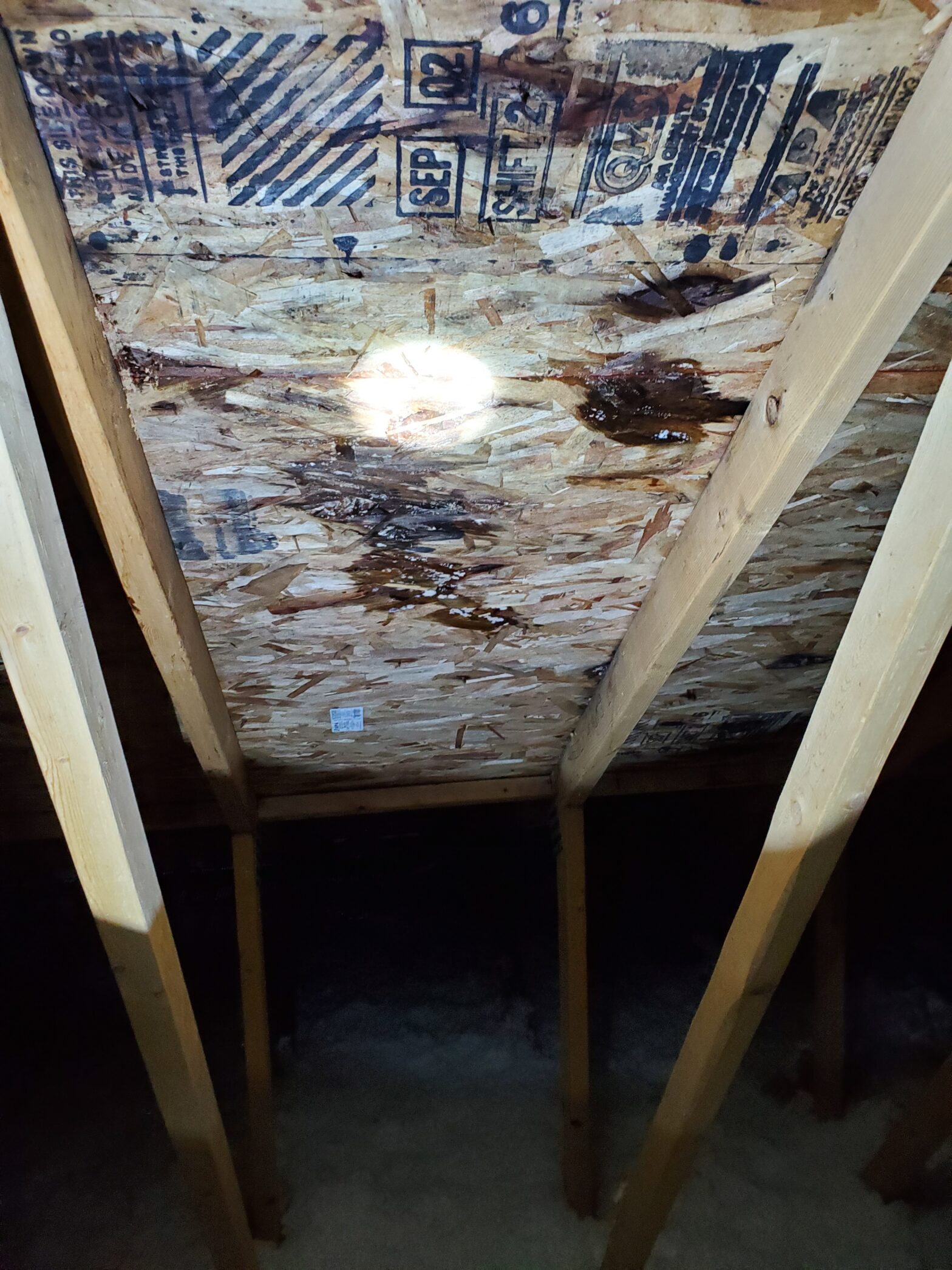
    Mold inspection and testing for homeowners in Victoria, Cowichan, Duncan, Nanaimo, Parksville, Qualicum, Courtenay, Comox, Campbell River, and Port Alberni.

    Mold is a type of fungus that often looks like fuzzy spots of different colors, including green, gray, or black. More than 100,000 mold species have been identified. Exposure to molds can be linked to negative health effects, depending on the type of mold and the health status of the person.

    You may have heard or read about “toxic mold.” Actually, molds themselves are not toxic or poisonous.

    You may have heard or read about “toxic mold.” Actually, molds themselves are not toxic or poisonous. However, there are mold species that are “toxigenic,” meaning they produce mycotoxins (myco- is a prefix that means fungal). These mycotoxins are chemical byproducts of metabolic processes – any process performed to maintain life, such as converting food into energy or cellular respiration. Some mycotoxins can cause a toxic response in humans and animals, even in small amounts.  Hidden dangers of mold.

    Molds reproduce by creating spores that can be too small for the naked eye to see. The spores vary in shape and range from 2 to 100 microns in size (for comparison, a strand of a human hair ranges from 17 to 181 microns in diameter). Molds release the reproductive spores, which can spread through the air, water, or on animals. Mold spores can cause health issues by triggering allergies or asthma attacks.

    When mold spores land on a damp spot indoors, they may begin growing and digesting whatever they are growing on to survive. Molds can reproduce in any moist place. They can grow on wood, paper, carpet, foods and other surfaces.

    General mold categories

    Mold species are generally categorized as one of three types:

    1.        Allergenic – Unlikely to cause illness (though it may aggravate mild allergies)

    2.        Pathogenic – Can cause infection in people who are immunocompromised

    3.        Toxigenic – Toxic to all humans and animals who come in contact with it

    Allergenic molds

    Everyone breathes in airborne mold spores, but some have an allergic reaction or experience asthma symptoms. Airborne mold spores can get into the nose, causing similar symptoms to other common airborne allergens, such as sneezing, itching, runny nose, congestion and dry skin. Mold spores can also enter the lungs, triggering an asthmatic episode.

    Everyone breathes in airborne mold spores.

    The most common molds whose spores can act as allergens include:

    •          Alternaria – This genus of molds comprises approximately 50 mold species. It is a common outdoor mold, and its spores are a common allergen. Alternaria species often appear as dark gray spots. The mold genus can grow indoors, especially damp surfaces with a food source, such as wood. The most common Alternaria species are A. tenuissima and A. alternate. A. alternate is often found growing on the following indoor materials if they are damp: iron, tiles, bricks, plaster, wallpaper, paper, and canvas.2

    •          Aspergillus – This genus of mold grows worldwide and is one of the most commonly occurring molds in hospitals. Its spores can trigger an allergic reaction in some people. Aspergillus is so abundant that it is probably impossible to avoid breathing in at least some of its spores. For most people with healthy immune systems, breathing Aspergillus is not harmful. There are a few species of the genus that can cause serious illness when inhaled by people who are immunocompromised, have a lung disease such as COPD, or have asthma. The range of health issues Aspergillusmay cause is known as aspergillosis. Some people will have a severe allergic response to inhaling spores of the species Aspergillus fumigatus. This immune response is called allergic bronchopulmonary aspergillosis (ABPA), which causes airway inflammation.3

    •          Cladosporium – The Cladosporium genus is one of the most widespread molds. Its spores can act as allergens, triggering reactions in sensitive people. C. herbarum is the most commonly identified allergenic species of Cladosporium.4 Indoors, Cladosporium is common on wet building materials, such as gypsum board, acrylic painted walls, wood, wallpaper, carpet and mattress dust, HVAC fans, and wet insulation in mechanical cooling units.5

    •          Penicillium – This mold genus includes hundreds of species, some of which are used to produce the antibiotic penicillin. It is a blue-green mold that many people have seen growing on food. Some Penicillium species produce airborne spores that can act as allergens and asthma triggers for sensitive people.6

    Other common molds that produce spores that can act as allergens include the genera Epicoccum, Fusarium, Helminthosporium, Mucor, Rhizopus, and Pullularia.

    Pathogenic molds

    A pathogenic mold is one that can cause an infection in humans, even if they are in good health. Some genus of molds include species that fall into the allergenic category, as well as species categorized as pathogenic. One such example is the Aspergillus genus. This genus includes several allergenic species, as well as one very pathogenic species, fumigatus.

    A pathogenic mold is one that can cause an infection in humans, even if they are in good health.

    The most common pathogenic molds include:

    •          Aspergillus species: A. fumigatus and A. flavus – A. fumigatus is the most prevalent species of the genus and is the leading cause of invasive aspergillosis and can cause chronic pulmonary infections. Although airborne A. flavus is more prevalent in some hospitals and locations, it is far less studied than A. fumigatus. A. flavus is also known to produce mycotoxins.7

    •          Cryptococcus neoformans – This mold lives in environments worldwide. People can develop an infection after inhaling its spores, although it is extremely rare for those with healthy immune systems. If an immunocompromised person inhales spores, they can stay in the body and cause a later infection if the immune system becomes even weaker. Most cases of cryptococcal meningitis (a form of fungal meningitis) are linked to C. neoformans.8

    •          Histoplasma capsulatum – H. capsulatum causes the infectious disease histoplasmosis. It’s acquired by inhaling airborne H. capsulatum spores. Inhaled spores can also cause a lung infection (pneumonia). Those with a weakened immune system risk the infection spreading throughout the body which can be life-threatening. This mold is usually found in soil; however, it is also found where there are bat and bird droppings. Spores usually become airborne from soil disturbances like digging or building demolition. Outbreaks are most often caused by large-scale construction projects.9

    Toxigenic molds

    The toxigenic molds are the misnamed “toxic mold” species that may create the chemical metabolic byproducts called mycotoxins, which can cause a toxic response in humans and animals. Mycotoxins are separate from the spores molds produce for reproduction. However, these chemicals can become airborne and travel with mold spores. Researchers have also demonstrated that mycotoxins also travel through the air on very small particles of dust or tiny pieces of wallpaper, which can easily be inhaled.10

    Mycotoxins travel through the air on very small particles of dust or tiny pieces of wallpaper, which can easily be inhaled.

    It should be noted that the presence of a toxigenic mold species does not necessarily mean the presence of mycotoxins. Also, it’s not possible to know if a mold is producing mycotoxins just by looking at it.11

    Some of the most commonly found toxigenic molds found growing indoors include:

    •          Fusarium species: F. solani, F. oxysporum, F. moniliforme12

    •          Penicillium species:P. brevicompactum, P. chrysogenum, P. citrinum, P. corylophilum, P. cyclopium, P. expansum. P. fellutanum, P. spinulosum, andP. viridicatum13

    •          Aspergillus species: A. versicolor, A. niger and A. flavus14

    •          Stachybotrys chartarum –This is the notorious “black mold” that is often referenced in the media. Learn more about Stachybotrys chartarum.

    What you can do about mold in your home

    The best way to control mold growth is to control moisture.

    Mold Testing and Inspection


    Our Mold Inspection Service is a Combination of Initial Inspection and Testing

    We Perform 7 Types of Mold Testing Options With Our Initial Inspection:

    Our prices are significantly less than any other mold testing and inspection business in Victoria, Duncan, Cowichan, Nanaimo, Parksville, Qualicum, Courtenay, Comox, Port Alberni and Campbell River.

    1. Instant Results – Surface Sampling for Black Mold (Viable and Non-Viable)

    2. 24 hr Results Air/Surface Sampling for Living Mold (Viable)

    3. Air Sampling for Mold (Viable and/or Non-Viable)  – Laboratory Analysis

    4. Surface Sampling for Mold (Species Identification) – Laboratory Analysis

    5. DNA sampling (ERMI Test) for Mold – Laboratory Analysis

    6. Instant Results – Surface Bacteria (Including Mold) Testing for ATP (Adenosine Triphosphate)

    7. Instant Results – Air Laser Particulate Counter Testing – Air Quality Assessment

    Other actions you can take:

    In most situations, Pacific Decontamination Services can neutralize your mold up 99.99999%. If our spray, fog or foam can touch it, we can neutralize it.  Our services come at a fraction of the cost as compared to the expensive approaches like soda / dry ice blasting, hepa vacuuming, scrubbing, removal of insulation and deconstruction and reconstruction of the attic and roof.
    We neutralize the mold in your attic, crawl or building by applying our eco-friendly, safe chemical everywhere within your attic, focusing our efforts on the visible mold areas. Depending on the job, we apply our formula by spray, mist, foam, or fog. We further kill all airborne mold spores in your attic. The average time of our on-site service is approximately one hour. An additional four hours is required to achieve maximum effectiveness. We ask that you stay out of the attic for approximately 5 hours in total. Read more about how we work.

    Pacific Decontamination Services uses the world’s strongest, most effective and safe antimicrobial disinfectant, deodorization and chemical decontaminate. Our professional application will eliminate up to 99.9999% of any allergen, germ, bacteria or fungus that it touches. AND as powerful as it is, it is also completely safe.

    What do you do next? How do you solve the challenge of mold and associated health hazards?

    Call Pacific Decontamination Services at 778-269-0208 or email us!

    Serving All of Vancouver Island: Victoria, Cowichan, Duncan, Nanaimo, Parksville, Qualicum, Courtenay, Comox, Campbell River, and Port Alberni.

  • Why You Should Avoid Air Purifiers that Produce Ozone

    Why You Should Avoid Air Purifiers that Produce Ozone


    Air purifiers that produce ozone are potentially dangerous for homeowners in Victoria, Cowichan, Duncan, Nanaimo, Parksville, Qualicum, Courtenay, Comox, Campbell River, and Port Alberni.

    Not only is ozone potentially dangerous to your health, it may not even work at all. Below are warnings from the EPA and four reasons why you should never use an air purifier that produces ozone.

    Direct warning from the United States Environmental Protection Agency You Must Read This!

    https://www.epa.gov/indoor-air-quality-iaq/ozone-generators-are-sold-air-cleaners

    Whether in its pure form or mixed with other chemicals, ozone can be harmful to health.

    When inhaled, ozone can damage the lungs. Relatively low amounts of ozone can cause chest pain, coughing, shortness of breath and, throat irritation. It may also worsen chronic respiratory diseases such as asthma as well as compromise the ability of the body to fight respiratory infections.

    Some studies show that ozone concentrations produced by ozone generators can exceed health standards even when one follows manufacturer’s instructions.

    Many factors affect ozone concentrations including the amount of ozone produced by the machine(s), the size of the indoor space, the amount of material in the room with which ozone reacts, the outdoor ozone concentration, and the amount of ventilation. These factors make it difficult to control the ozone concentration in all circumstances.

    Available scientific evidence shows that, at concentrations that do not exceed public health standards, ozone is generally ineffective in controlling indoor air pollution.

    The concentration of ozone would have to greatly exceed health standards to be effective in removing most indoor air contaminants. In the process of reacting with chemicals indoors, ozone can produce other chemicals that themselves can be irritating and corrosive.


    Recommendation

    The public is advised to use proven methods of controlling indoor air pollution. These methods include eliminating or controlling pollutant sources, increasing outdoor air ventilation and using proven methods of air cleaning.

    4 Reasons Why You Should Avoid Air Purifiers that Produce Ozone

    1. Ozone Generators May Not Work at All

    Some manufacturers suggest that ozone will render nearly every chemical contaminant in the home harmless by producing a chemical reaction. This is incredibly misleading because a thorough review of scientific research has shown that in order for many of the dangerous chemicals found indoors to be eliminated the chemical reaction process may take months or even years. Other studies have also (PDF) noted that ozone cannot effectively remove carbon monoxide or from outside. If used at concentrations that do not exceed public health standards, ozone applied to indoor air pollution does not effectively remove viruses, mold, bacteria, or other biological pollutants.

    2. The Chemical Reaction Can Be Dangerous

    Even if ozone generators were proven to be effective at eliminating these chemicals, there are certain side effects everyone must be aware of. Many of the chemicals ozone reacts to results in a variety of harmful by-products. For example, when ozone was mixed with chemicals from new carpet in a laboratory setting, the ozone reduced many of the chemicals but created a variety of dangerous organic chemicals in the air. While the target chemicals were reduced, the dangerous by-products rendered the process moved.

    3. Ozone Generators Do Not Remove Particulates

    A third factor to consider when looking at ozone generators is that they do not remove particulates such as dust or pollen from the air. This includes the particles which are primarily responsible for allergic reactions. To combat this, some ozone generators include an ionizer which disperses negatively charged ions into the air. In recent analysis’s, this process was found to be less competent in the removal of air-borne molecules of dust, smoke, pollen, and mold spores than HEPA filters and electrostatic precipitators.

    4. It Is Impossible to Predict Exposure Levels

    The EPA notes that it is increasingly difficult to determine the actual concentration of ozone produced by an ozone generator because so many different factors come into play. Concentrations will be higher if more powerful devices used in smaller spaces. Whether or not the interior doors are closed rather than open will affect concentrations as well. Additional factors which affect concentration levels include how many materials and furnishings are in the room to react with ozone, the level of outdoor air ventilation, and the proximity of a person to the ozone generating device.

    What are some better solutions?

    There are other solutions that are much safer and more effective than using air purifiers that produce ozone.

    We neutralize the source of your odor and contamination by applying our eco-friendly, safe chemical everywhere within your affected area that may be causing the odor. Depending on the job, we apply our formula by spray, mist, foam, or fog. Our treatment eliminates all contaminants, including airborne, surface and sub-surface. The average time of our on-site service is approximately one hour. An additional four hours is required to achieve maximum effectiveness. We ask that you stay out of the area for approximately 5 hours in total. Read more about how we work.

    Pacific Decontamination Services uses the world’s strongest, most effective and safe antimicrobial disinfectant, deodorization and chemical decontaminate. Our professional application will eliminate up to 99.9999% of any allergen, germ, bacteria or fungus that it touches. AND as powerful as it is, it is also completely safe.

    What do you do next? How do you solve the challenge of odor and associated health hazards?

    Call Pacific Decontamination Services at 778-269-0208 or email us!

    Serving All of Vancouver Island: Victoria, Cowichan, Duncan, Nanaimo, Parksville, Qualicum, Courtenay, Comox, Campbell River, and Port Alberni.

  • The Risks and Limitations When Using Ozone Generators to Remove Odors

    The Risks and Limitations When Using Ozone Generators to Remove Odors


    Ozone generators are ineffective at attacking the root of the problem!

    The use of ozone generators to remove odors in homes and vehicles offer poor results for homeowners in Victoria, Cowichan, Duncan, Nanaimo, Parksville, Qualicum, Courtenay, Comox, Campbell River, and Port Alberni.

    Research has found that ozone generators were not effective in removing odors and bacteria – especially surface bacteria.

    Manufacturers’ claims

    Manufacturers say that the highly reactive nature of ozone allows it to easily attach to pollution, especially odorous compounds like smoke and organic matter such as viruses, bacteria and mold spores. However, these claims are not backed up by sound science.

    Performance against mold and bacteria

    Research has found that ozone generators were not effective at stopping mold or bacteria growth in a standard hospital room, and would require unsafe levels of ozone to do the job at all (Dyas, Boughton, & Das, 1983). For mold growth, public health departments do not recommend using ozone generators for clean-up, saying that ozone even at high levels cannot control mold.

    Performance against VOCs

    You may be asking yourself, if ozone gas is effective at anything, it should work on other gaseous pollutants (specifically volatile organic compounds, or VOCs) right? Well, it might not, unless you wait for thousands of years in some cases. A research study (Boeniger, 1995) analyzed how long it would take to remove 14 of the most common organic compounds found in the air. It was found that at ozone concentrations of 100 ppb, it would take 880+ years for six of these pollutants to be broken down into half of their initial concentrations (half-lives). In fact, it would take more than 4,400 years for formaldehyde! Only one pollutant, styrene, was found to have a half-life of about 4 hours.

    Performance against particulates

    You must remember that ozone generators do not remove particulate matter like dust or pollen (which are often allergens) from the air.

    The EPA’s conclusion about effectiveness

    The EPA concludes from a review of scientific research that at concentrations that meet public health standards, ozone is not very effective at removing indoor air contaminants.

    Can ozone generators remove odors?

    The million dollar question for you might be whether ozone generators can remove odors from the air. That at least is what manufacturers claim to be the most common use for ozone generators in homes.

    However, the evidence is mixed as to whether ozone generators can remove most odors from the air. As mentioned above, ozone generators may not work efficiently at all for gases, namely volatile organic compounds (VOCs), as it could take hundreds of years for this process.

    Yet, some research reviewed by Britigan, Alshawa, and Nizkorodov (2006) has shown that ozone may be effective for certain types of VOCs (namely, those containing unsaturated carbon-carbon bonds). These types of VOCs are found in cooking oils, air fresheners, cleaning agents, etc. However, there is a big downside: other dangerous byproducts like formaldehyde can be released into the air when ozone reacts with these substances.

    Here is another important point: What you might perceive as odor removal may just be facade. Odors in a room could be masked by the smell of ozone being released into the air. Many people who use ozone generators like the smell that is produced, describing it as a “clean sheet smell” or the smell of clothes fresh from the dryer (EPA, 1995).

    What are the safety precautions of ozone generators?

    Ultimately, you need to know that no agency of the federal government has approved using ozone generators in occupied spaces. If you must use one or have no choice in a certain situation, you should take every measure possible to make sure they are never used when people or animals are present in the room. Plants also should be kept outside of the area.

    Many times, if ozone generators are used, they are used for commercial cleaning in hotels, cars, etc. Many hotels use them inside a room just before new guests arrive, which can be harmful because of any residual ozone that lingers in the air. Manufacturers of ozone generators recommend they only be used by trained professionals for odor removal, and that all other steps, like cleaning the area and removing any sources of the odor, should be done first.

    What are some better solutions?

    There are other solutions that are much safer and more effective than using an ozone generator.

    We neutralize the source of your contamination by applying our eco-friendly, safe chemical everywhere within your affected area that may be causing the odor. Depending on the job, we apply our formula by spray, mist, foam, or fog. Our treatment eliminates all contaminants, including airborne, surface and sub-surface. The average time of our on-site service is approximately one hour. An additional four hours is required to achieve maximum effectiveness. We ask that you stay out of the area for approximately 5 hours in total. Read more about how we work.

    Pacific Decontamination Services uses the world’s strongest, most effective and safe antimicrobial disinfectant, deodorization and chemical decontaminate. Our professional application will eliminate up to 99.99999% of any allergen, germ, bacteria or fungus that it touches. AND as powerful as it is, it is also completely safe.

    What do you do next? How do you solve the challenge of odor and associated health hazards?

    Call Pacific Decontamination Services at 778-269-0208 or email us!

    Serving All of Vancouver Island: Victoria, Cowichan, Duncan, Nanaimo, Parksville, Qualicum, Courtenay, Comox, Campbell River, and Port Alberni.

  • MOLD – RELATED HEALTH SYMPTOMS

    MOLD – RELATED HEALTH SYMPTOMS

    Mold in homes, crawlspaces, basements, attics are extremely common and may lead to allergies, infections, toxin-medicated conditions for homeowners in Victoria, Cowichan, Duncan, Nanaimo, Parksville, Qualicum, Courtenay, Comox, Campbell River, and Port Alberni.

    Patients have been reporting multiple ill health effects linked to exposures to mold. Studies of more than 1600 patients suffering ill effects associated with fungal exposure were presented at one meeting in Dallas in 2003 (21st Annual Symposium of Man and His Environment, Dallas, Texas, 19–22 June 2003) .To cite a few studies: Lieberman examined 48 heavily mold-exposed patients who had the following health problems: muscle and/or joint pain (71%), fatigue/weakness (70%), neurocognitive dysfunction (67%), sinusitis (65%), headache (65%), gastrointestinal problems (58%), shortness of breath (54%), anxiety/depression/irritability (54%), vision problems (42%), chest tightness (42%), insomnia (40%), dizziness (38%), numbness/tingling (35%), laryngitis (35%), nausea (33%), skin rashes (27%), tremors (25%) and heart palpitations (21%). Rea et al.’s study of 150 heavily indoor mold-exposed patients found the following health problems: fatigue (100%), rhinitis (65%), memory loss and other neuropsychiatric problems (46%), respiratory problems (40%), fibromyalgia (29%), irritablebowel syndrome (25%), vasculitis (4.7%) and angioedema (4.0%). These clinical reports suggest that there can be multisystem adverse effects of airborne mold. All reported cases had environmental mold exposure consistent with toxic mold exposure.

    RELATED HEALTH EFFECTS

    Learn More – The effects of breathing mold or mildew

    Fungi can exert ill health effects by three major mechanisms: allergy, toxicity, and infection.

    Toxicity

    Fungi produce a wide variety of toxic chemicals called mycotoxins. Some common mycotoxins include: aflatoxins—very potent carcinogens and hepatotoxins, produced by some Aspergillus species; ochratoxins—nephrotoxic and carcinogenic, produced by some Aspergillus and Penicillium; sterigmatocystin—immunosuppressive and a liver carcinogen, produced by Aspergillus species, especially A. versicolor; trichothecenes—produced primarily by Stachybotrys and Fusarium species and have been reported to inhibit protein synthesis and cause hemorrhage and vomiting.

    Fungi also produce beta glucans, which have immunological effects. The smell of molds comes primarily from volatile organic compounds. Read more for causes of mold.

    Adverse human and animal effects from mycotoxin-contaminated foodstuffs have been well recognized since the early twentieth century, but the pathway of mycotoxin injury through inhalation is questioned.  Because it is unethical to conduct controlled studies on humans with inhaled mycotoxin exposure, only controlled animal exposures and human cohort and case–control studies can be carried out.

    The literature reveals that significant amounts of mycotoxins (including ochratoxin, sterigmatocystin and trichothe- cenes) are present in indoor dust and dust or fungal particles less than 10mm in diameter are respirable, thus allowing absorption of mycotoxins through the lungs.Patients exposed to indoor Stachybotrys have been found to have measurable blood levels of the Stachybotrys hemorrhagic toxin stachylysin. Levels of trichothecene mycotoxins in urine have also been found in significantly higher levels in patients exposed to high indoor fungal levels as opposed to an unexposed control group.

    Blood ochratoxin levels have been found to be significantly higher in food industry workers exposed to airborne ochratoxin vs. unexposed controls. These findings support an inhalation pathway for entry of mycotoxins into the body.

    What Can You Do?

    In most situations, Pacific Decontamination Services can neutralize your mold up 99.99999%. If our spray, fog or foam can touch it, we can neutralize it.  Our services come at a fraction of the cost as compared to the expensive approaches like soda / dry ice blasting, hepa vacuuming, scrubbing, removal of insulation and deconstruction and reconstruction of the attic and roof.


    We neutralize the mold in your attic by applying our eco-friendly, safe chemical everywhere within your attic, focusing our efforts on the visible mold areas. Depending on the job, we apply our formula by spray, mist, foam, or fog. We further kill all airborne mold spores in your attic. The average time of our on-site service is approximately one hour. An additional four hours is required to achieve maximum effectiveness. We ask that you stay out of the attic for approximately 5 hours in total. Read more about how we work.

    Pacific Decontamination Services uses the world’s strongest, most effective and safe antimicrobial disinfectant, deodorization and chemical decontaminate. Our professional application will eliminate up to 99.99999% of any allergen, germ, bacteria or fungus that it touches. AND as powerful as it is, it is also completely safe.

    What do you do next? How do you solve the challenge of mold and associated health hazards?

    Call Pacific Decontamination Services at 778-269-0208 or email us!

    Serving All of Vancouver Island: Victoria, Cowichan, Duncan, Nanaimo, Parksville, Qualicum, Courtenay, Comox, Campbell River, and Port Alberni.

  • Are Mold + Mycotoxins Making You Sick?

    Are Mold + Mycotoxins Making You Sick?

    TYPES OF MYCOTOXINS

    Mold and mycotoxins exposure can be dangerous to your health and can impact residents in Victoria, Cowichan, Duncan, Nanaimo, Parksville, Qualicum, Courtenay, Comox, Campbell River, and Port Alberni.

    Inhaling or touching mold or mildew may have hazardous health effects. But, not everyone may be adversely affected by molds. Those who have other allergies or existing respiratory conditions such as asthma, sinusitis, or other lung diseases are more susceptible to the effects of mold exposure.

    People with an impaired or weakened immune system will have severe reactions to molds. Pregnancy, autoimmune disease, AIDS, or diabetes are medical conditions that can weaken your immune system. Infants, small children, and elderly people are also vulnerable to mold contamination.

    Some of the different types of mycotoxins are:

    • Aflatoxins (produced by Aspergillus) – includes Aflatoxin B1, B2, G1, G2, M1 and M2 
    • Ochratoxin – includes Ochratoxin A, B, and C
    • Trichothecene (produced by Stachybotrys) – includes Satratoxin-H, Vomitoxin and T-2 mycotoxins
    • Fumonisins – includes Fumonisin B1 and B2
    • Zearalenone

    Size of Mycotoxins

    Like mold spores, mycotoxins are too small for us to see with the naked eye. Mycotoxins are as small as 0.1 microns. Mold spores are between 1 and 20 microns. Human hair, for comparison, is about 100 microns thick.

    MYCOTOXINS AND YOU

    How Mycotoxins Enter the Human Body

    When people are around toxic mold they are usually exposed to airborne mycotoxins by breathing them in. These mycotoxins end up in the lungs and cause breathing problems and other severe symptoms.

    Mycotoxins in the air can also enter through a person’s eyes, and can be absorbed through the skin as well.

    Another way mycotoxins get into a person’s body is by the person eating food with mycotoxins in it. This can happen if toxic mold has been growing on crops.

    Many mycotoxins remain toxic even after being cooked. This is one reason why mycotoxins are a big problem in agriculture. A binding agent is used on crops such as grain after harvesting to remove mycotoxins.

    During 2004 in Kenya, 125 people died after eating maize contaminated with aflatoxin mycotoxins. There have been many cases of pets dying from eating pet food with mycotoxins in it as well.

    Read more on…How vulnerable are you?

    How Long Do Mycotoxins Stay Toxic

    According to experts, some mycotoxins can remain toxic for several years. Things like ultraviolet light or freezing temperatures do not have much effect on mycotoxins.


    Safe Levels of Mycotoxins

    The tolerable daily intakes used by governments and international risk managers, such as the Codex Alimentarius Commission, are to establish maximum levels of mycotoxins in food. The maximum levels for mycotoxins in food are very low due to their severe toxicity. For example, the maximum levels for aflatoxins set by the Codex in various nuts, grains, dried figs and milk are in the range of 0.5 to 15ng/g.

    Killing Mycotoxins

    Mycotoxins aren’t actually alive like mold spores. So when we talk about “killing mycotoxins” it really means breaking down mycotoxins and their toxicity so they are no longer dangerous to humans.

    It takes fire at 500 degrees Fahrenheit (260 degrees Celsius) for half an hour or fire at 900 degrees Fahrenheit (482 degrees Celsius) for 10 minutes to destroy trichothecene mycotoxins.

    Mycotoxins do eventually break down and lose their toxicity after some time. Some types of mycotoxins can take several years though, for example trichothecene mycotoxins which are among the most resilient.

    System of the body affected by Mycotoxins

    Mycotoxins absorbed by the skin, airways and intestinal lining affects multiple organs, including the lungs, musculoskeletal system, as well as the central and peripheral nervous systems.
    Mycotoxins effect Mitochondria Findings suggest that mycotoxins such as citrinin, aflatoxin, effect mitochondrial dysfunction. Mycotoxins can induce oxidative stress even at low concentration/dose that may be one of the major causes of mitochondrial dysfunction.

    How Can You Neutralize Mold?

    We neutralize your mold by applying our eco-friendly, safe chemical into your home, attic, crawlspace, or basement. Depending on the job, we apply our formula by spray, mist, foam, or fog. We do not use a tent. The average time of our on-site service is approximately one hour. An additional four hours is required to achieve maximum effectiveness. We ask that you stay out of the premise for approximately 5 hours in total. Read more about how we work.Paragraph

    Pacific Decontamination Services uses the world’s strongest, most effective and safe antimicrobial disinfectant, deodorization and chemical decontaminate. Our professional application will eliminate up to 99.99999% of any allergen, germ, bacteria or fungus that it touches. AND as powerful as it is, it is also completely safe.

    What do you do next? How do you solve the challenge of mold and associated health hazards?

    Call Pacific Decontamination Services at 778-269-0208 or email us!

    Serving All of Vancouver Island: Victoria, Cowichan, Duncan, Nanaimo, Parksville, Qualicum, Courtenay, Comox, Campbell River, and Port Alberni

    Discussion

    Page Attributes

  • Responding to Rodent Infestation

    Responding to Rodent Infestation

    Rats and mice spread over 35 diseases. These diseases can be spread to humans directly, through handling of rodents, through contact with rodent feces, urine, or saliva, or through rodent bites. Diseases carried by rodents can also be spread to humans indirectly, through ticks, mites or fleas that have fed on an infected rodent.

    Pacific Decontamination offers helpful suggestions and services on rodent control during and after a rodent infestation for vehicle and homeowners living in Victoria, Cowichan, Duncan, Nanaimo, Parksville, Qualicum, Courtenay, Comox, Campbell River, and Port Alberni.  Pacific Decontamination Services eliminates rodent odor (mice and rats), and neutralizes associated bacteria and contaminants.

    The primary strategy for preventing human exposure to rodent diseases is effective rodent control in and around the home. This is achieved by eliminating any food sources, sealing even the smallest entries into homes, and successfully trapping rodents in and around the home.

    Seal Up!

    Seal up holes inside and outside the home to prevent entry by rodents…

    Trap Up!

    Trap rodents around the home to help reduce the rodent population.  Do not use poison as they just look for somewhere warm to die (usually in your home or car).

    Clean Up!

    Contact Pacific Decontamination Services to clean up rodent droppings, urine and nesting sites.

    Pacific Decontamination Services uses the world’s strongest, most effective and safe antimicrobial disinfectant, deodorization and chemical decontaminate. Our professional application will eliminate up to 99.99999% of any allergen, germ, bacteria or fungus that it touches. AND as powerful as it is, it is also completely safe.

    Call Pacific Decontamination Services at 778-269-0208 or email us!

    Serving All of Vancouver Island: Victoria, Cowichan, Duncan, Nanaimo, Parksville, Qualicum, Courtenay, Comox, Campbell River, and Port Alberni.

  • Black Mold Is Toxic

    Black Mold Is Toxic

    Black mold is toxic and found and may impact homeowners in Victoria, Cowichan, Duncan, Nanaimo, Parksville, Qualicum, Courtenay, Comox, Campbell River, and Port Alberni.

    You may know black mold by its other name: “sick building syndrome.” Greenish-black in color, it typically grows on surfaces where moisture is constantly present. The commonly known indoor molds are Penicillium, Cladosporium, Alternaria and Aspergillus. You may not care about their names, but what they do is definitely a concern.

    No matter what your business, you don’t need black mold to scare your customers away or pose serious health risks to your family. People with asthma, allergies and weak immune systems have increased health risks when exposed to mold spores. Black mold in particular is toxic, and can trigger upper respiratory tract problems and serious fungal infections.

    Other serious potential health problems from black mold include:

    nausea and dizziness
    gastrointestinal symptoms
    fatigue
    anxiety
    memory problems

    The Threat Of Black Mold To Your Home or Business

    Black molds grow in moist places, and aren’t just a problem for residential property owners. Commercial buildings are not immune to infestation. In fact, black mold is now considered a wide scale health threat—especially following a flood.

    Molds grow where there’s stagnant water, as well as in storage places that contain rotten materials. It can also multiply under carpets and near water pipe leaks.
    The very presence of black mold can pose a serious health threat to infants and pregnant women, especially those with highly compromised immune systems.
    Exposure usually happens by skin contact, inhalation, and even ingestion—none of which you want your business to be responsible for. Keep your commercial property clean and free from black mold and liability.

    Mold remediation, especially for larger areas—from 100 square feet to 10 feet by 10 feet—should only be performed by trained professionals at Pacific Decontamination Services.

    Black Mold Neutralization

    Black molds can be neutralized by fog, spray or foam application by Pacific Decontamination Services. However, when molds infest porous materials such as drywall, ceiling tiles and carpets, they may have to be properly discarded if the damage is severe.

    The Dangers Of Cleaning Black Mold On Your Own

    Many people think they can save money by cleaning molds on their own. But be warned: inexperience and the lack of proper equipment can expose you to serious health threats. During regular cleanup, mold spore counts can multiply by as much as 1000 times!

    A few extra tips:
    The use of a respirator or mask is required to avoid breathing in any airborne spores.
    Protective gear should also be worn, then properly discarded after cleanup.
    During cleaning, the area should be free of bystanders, to avoid inadvertent contamination.
    How Can You Neutralize Black Mold?

    We neutralize your black mold by applying our eco-friendly, safe chemical into your attic, crawlspace, or basement. Depending on the job, we apply our formula by spray, mist, foam, or fog. We do not use a tent. The average time of our on-site service is approximately one hour. An additional four hours is required to achieve maximum effectiveness. We ask that you stay out of the premise for approximately 5 hours in total. Read more about how we work.

    Pacific Decontamination Services uses the world’s strongest, most effective and safe antimicrobial disinfectant, deodorization and chemical decontaminate. Our professional application will eliminate up to 99.99999% of any allergen, germ, bacteria or fungus that it touches. AND as powerful as it is, it is also completely safe.

    What do you do next? How do you solve the challenge of mold and associated health hazards?

    Call Pacific Decontamination Services at 778-269-0208 or email us!

    Serving All of Vancouver Island: Victoria, Cowichan, Duncan, Nanaimo, Parksville, Qualicum, Courtenay, Comox, Campbell River, and Port Alberni.