Tag: ladysmith

  • Understanding Efflorescence: Causes, Risks, and the Link to Mold Growth

    Understanding Efflorescence: Causes, Risks, and the Link to Mold Growth

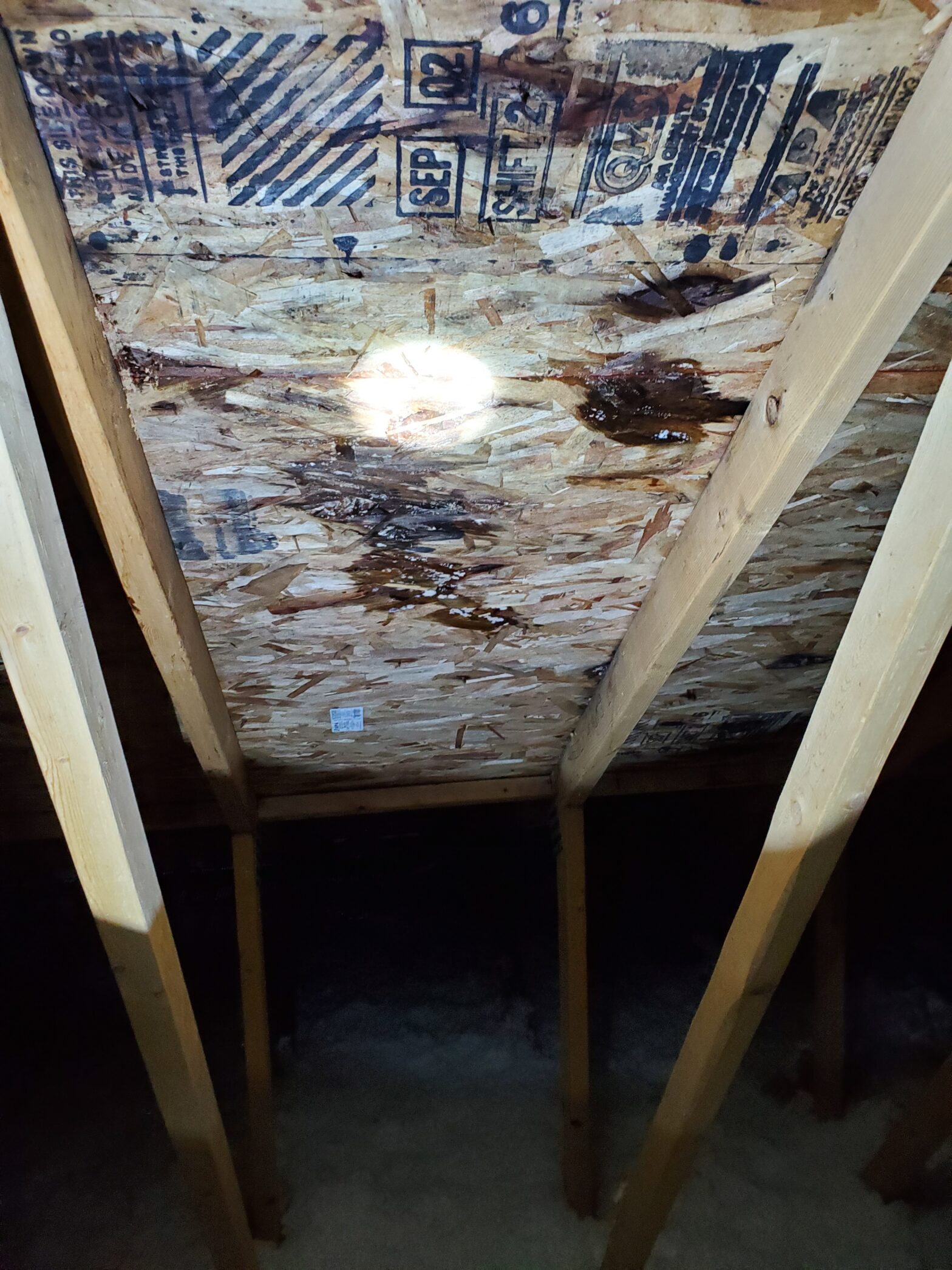
    Efflorescence is a common issue that many property owners in Duncan, Cowichan, Ladysmith, Nanaimo, Parksville, Qualicum, Port Alberni, Courtenay, Comox, Courtenay and all of Vancouver Island face, and it can be a precursor to more serious problems like mold growth. As a leading provider of Pacific Decontamination Services, we understand the importance of educating our clients about the causes, signs, and potential health concerns associated with efflorescence. In this blog, we will delve into the world of efflorescence, exploring its origins, what to look for, and the potential risks it poses, including its connection to mold growth.

    What is Efflorescence?

    Efflorescence is the white, powdery substance that forms on the surface of concrete, brick, or other masonry materials. It occurs when water-soluble salts migrate through the porous material and reach the surface, where they crystallize. While efflorescence itself is not harmful, it is a sign of water infiltration and can lead to more severe issues if left unaddressed.

    Causes of Efflorescence

    Understanding the causes of efflorescence is crucial for effective prevention and remediation. The primary factors include:

    Water Infiltration: Water seeping into porous materials dissolves salts present in the material, carrying them to the surface where they crystallize.

    Temperature Changes: Fluctuations in temperature can influence the movement of water within building materials, contributing to efflorescence.

    Poor Ventilation: Inadequate ventilation in enclosed spaces can trap moisture, exacerbating the conditions that lead to efflorescence.

    What to Look For

    Recognizing the signs of efflorescence is essential for prompt intervention. Keep an eye out for:

    White Powdery Residue: The most apparent sign of efflorescence is the presence of a white, chalky residue on surfaces.

    Discoloration: Efflorescence can cause discoloration of materials, making them appear faded or stained.

    Crystalline Deposits: In advanced stages, efflorescence may manifest as visible crystalline deposits on the surface.

    Dangers and Health Concerns

    Efflorescence itself is not harmful, but it signals underlying issues that can pose risks:

    Structural Damage: Persistent water infiltration can compromise the structural integrity of buildings, leading to more severe problems.

    Mold Growth: Efflorescence creates an environment conducive to mold growth. Mold poses significant health risks, including respiratory issues and allergies.

    Aesthetic Damage: Efflorescence can mar the appearance of structures, impacting property value and aesthetics.

    Link to Mold Growth

    Efflorescence and mold are interconnected issues. The moisture that triggers efflorescence creates a favorable environment for mold growth. Mold spores thrive in damp conditions, and when combined with the nutrients present in building materials affected by efflorescence, mold colonies can quickly develop.

    What Can You Do?

    In most situations, Pacific Decontamination Services can neutralize your mold up 99.99999%. If our spray, fog or foam can touch it, we can neutralize it.  Our services come at a fraction of the cost as compared to the expensive approaches like soda / dry ice blasting, hepa vacuuming, scrubbing, removal of insulation and deconstruction and reconstruction of the attic and roof.


    We neutralize the mold in your attic, crawl space, home, building, vehicle, or property by applying our eco-friendly, safe chemical on all surfaces and airborne, focusing our efforts on the visible mold areas. Depending on the job, we apply our formula by spray, mist, foam, or fog. We further kill all airborne mold spores in your attic. The average time of our on-site service is approximately one hour. An additional four hours is required to achieve maximum effectiveness. We ask that you stay out of the attic for approximately 5 hours in total. Read more about how we work.

    Pacific Decontamination Services uses the world’s strongest, most effective and safe antimicrobial disinfectant, deodorization and chemical decontaminate. Our professional application will eliminate up to 99.99999% of any allergen, germ, bacteria or fungus that it touches. AND as powerful as it is, it is also completely safe.

    What do you do next? How do you solve the challenge of mold and associated health hazards?

    Call Pacific Decontamination Services at 778-269-0208 or email us at our email address: contact @ pacificdecon dot com

    Serving All of Vancouver Island: Victoria, Cowichan, Duncan, Nanaimo, Parksville, Qualicum, Courtenay, Comox, Campbell River, and Port Alberni.

    Efflorescence is more than just a cosmetic issue; it serves as a warning sign of potential structural damage and the risk of mold growth. As specialists in decontamination services, Pacific Decontamination Services recommends addressing efflorescence promptly to prevent further complications. Regular inspections, proper ventilation, and timely remediation efforts can help safeguard your property and ensure a healthy living environment. If you suspect efflorescence or mold issues, don’t hesitate to contact us for expert assistance and comprehensive decontamination services.

  • Mucormycosis – Black Fungus Mold

    Mucormycosis – Black Fungus Mold

    Homeowners in Nanaimo, Duncan, Parksville, Qualicum, Courtenay, Campbell River, Port Alberni and all other locations on Vancouver Island many times ask the question: Who do I call for Black Fungus Mold – Mucormycosis.

    Reports of Mucormycosis – ‘black fungus’ – attacking covid patients in India began surfacing in early May. It is particularly alarming since the survival rate is low, and those who do survive may suffer loss of the eyes, nose, sinuses, and upper jaw. Scary stuff.

    In one reported case from 2000, an American man in Kentucky who barely survived subsequently required a prosthetic face. Reports at the time were that he likely inhaled the fungi while gardening.

    There are claims, however, that may lead some to mistakenly think that Mucormycosis can be found among common household mold. Not so fast. While having mold indoors is never a good idea, the chance of contracting Mucormycosis from indoor household mold has to be put in perspective.

    According to the the US Centers for Disease Control and Prevention website:

    “Mucormycetes, the group of fungi that cause mucormycosis, are present throughout the environment, particularly in soil and in association with decaying organic matter, such as leaves, compost piles, and animal dung. They are more common in soil than in air, and in summer and fall than in winter or spring. Most people come in contact with microscopic fungal spores every day, so it’s probably impossible to completely avoid coming in contact with mucormycetes. These fungi aren’t harmful to most people. However, for people who have weakened immune systems, breathing in mucormycete spores can cause an infection in the lungs or sinuses which can spread to other parts of the body.”

    Losing your face, or your life, to a very rare fungus that is more commonly found in the soil than the air, and mainly afflicts the immune compromised, is statistically not the first reason for household mold remediation. No need to panic about Mucormycosis floating around inside your home.

    Still, overall health can be effected by household mold, and wet Vancouver Island winters can give rise to mold growth under conditions of high humidity and poor ventilation. If you’ve got it, you probably want to get rid of it. 

    Pacific Decontamination can give you the right information, and take the kind of quick, thorough, detailed, and effective response you require. And if you think you’ve got mold but are uncertain, we can test for it.

    Since Mucormycosis is rather low on the risk scale for threats inside your living space, if that’s all you want to eliminate then lottery tickets might be a better investment. 

    But household mold still ought to be addressed for other health and aesthetic reasons. Pacific Decontamination will work with you on moving toward that healthy mold-free home.

    Call us at

    Call Pacific Decontamination Services at 778-269-0208 or email us!
    Serving All of Victoria, Duncan, Nanaimo, Parksville, Qualicum, Port Alberni, Comox, Courtenay, Campbell River, and all of Vancouver Island:

    www.PacificDecontamination.com

  • Mold is major problem in real estate. But Mold does not have to kill a transaction.  Selling or Buying a home with Mold.

    Mold is major problem in real estate. But Mold does not have to kill a transaction. Selling or Buying a home with Mold.


    Mold is one of the big problems that home sellers and buyers in Victoria, Cowichan, Duncan, Nanaimo, Parksville, Qualicum, Courtenay, Comox, Campbell River, and Port Alberni uncover during the home inspection process.

    Here are some ways to save a deal with when mold is involved in your transaction. These are common scenarios our mold remediation company, Pacific Decontamination Services, sees regularly when working with real estate agents (buyers and sellers) on a daily basis.

    Scenario 1: A few inches of mold is found in a small area of the home and you are worried mold is everywhere.

    No need to take a wrecking ball to the entire house when a little bit of mold is found!

    Mold only grows where there is water or high relative humidity. If mold is identified around a single window where condensation is present, there is no need to start ripping out walls in other areas of the home that are dry. Focus on the area where the water and mold growth is occurring and remove the mold at its source (e.g. the drywall and wood trim around the window) and eliminating the water source (e.g. window condensation).

    Scenario 2: Mold is disclosed in the listing agreement or later identified during an inspection and you are unsure whether you need it tested.

    If you already see mold, testing may be a waste of money. 

    It does not matter what type of mold you have – once identified, all mold should be treated the same way.

    Testing can be useful in certain situations such as when someone identifies a moldy-like smell but cannot actually see mold anywhere. In this case, testing can help determine if the smell is indeed mold and the source of the presumed mold. Most of the time though the smell of mold will lead you right to a visible source of mold, making testing unnecessary.

    But if you can already see visible mold, most of the time testing is not necessary.  Instead, Pacific Decontamination Services can eliminate the mold and mold spores, allowing you to use the money allocated for testing towards remediation instead.

    Scenario 3: “Black Mold” is identified and you are concerned that the mold is toxic.

    Not all molds are toxic despite what you may hear or read.

    Mold comes in a variety of colors. The dreaded “Black Mold” you have heard about so often in the media is not a species or specific type of mold.

    Media reports of “Black Mold” often refer to molds that can produce toxins (specifically mycotoxins), such as groups of molds known as Stachybotrys. Note that mycotoxins will not always be produced when these types of mold are present. To put it another way, the presence of mold does not necessarily mean mycotoxins are present.

    Much of what we know about mycotoxins is not well understood yet and ongoing research is needed. According to the EPA though, certain types of mycotoxins produced by the molds Aspergillus flavus and Aspergillus parasiticus are shown to cause cancer. However, the EPA goes on further to say that “Aspergillus flavus and Aspergillus parasiticus are not commonly found on building materials or in indoor environments.”

    The Centers for Disease Control and Prevention also states: “There are very few reports that toxigenic molds found inside homes can cause unique or rare health conditions such as pulmonary hemorrhage or memory loss. These case reports are rare, and a causal link between the presence of the toxigenic mold and these conditions has not been proven.”

    Scenario 4: Mold is disclosed or identified and you are not sure what to do.

    Not all molds are bad!

    Mold is everywhere – in our homes, in our offices and in the fresh air we breathe outside.

    Some of the media reports on mold are over hyped and that mold is in fact a natural organism that most of the time makes life better. Mold improves our lives by breaking down dead leaves and trees, helping to make certain types of cheeses, and by being the basis of modern antibiotics like Penicillin.

    Despite these useful purposes, too much mold in a home can pose a health risk. How much is too much? Currently, there are no federal guidelines that define exactly how much mold is unhealthy. This useful fact is very important for you to understand.

    Even though no federal standards currently exist, generally speaking, you should not be able to see actual mold growth or smell it. If you can, your home probably has too much mold and can be unhealthy.

    Scenario 5: Unexpected mold is found in an attic or crawlspace during an inspection.

    In real estate transactions, the discovery of mold in an attic or crawl space by an inspector often comes as an unexpected surprise to the parties involved. But mold in attics and crawl spaces do not need to kill a transaction.

    Mold in these places needs to be remediated. In extreme cases, it can be a sign of bigger issues such as foundation problems or roof deficiencies. But a buyer who falls in love with a house should not necessarily be shocked if mold is found in an attic or crawl space by an inspector.

    These two areas of the home are ripe for mold infestation – studies that indicate as much as 60% of all crawl spaces have mold.

    But often attic and crawl space mold goes undetected by the homeowner because these are not places most of us spend much time in.

    How to Remove, Eliminate and Remediate Mold in Houses in Victoria, Duncan, Nanaimo, Parksville, Qualicum, Port Alberni, Comox, Courteney, and Campbell River

    Pacific Decontamination Services neutralize your mold by applying our eco-friendly, safe chemical into the affected area(s). Depending on the job, we apply our formula by spray and fog. We do not use a tent. The average time of our on-site service is approximately one hour. An additional four hours is required to achieve maximum effectiveness. We ask that you stay out of the premise for approximately 4 hours in total. Read more about how we work.

    Pacific Decontamination Services uses the world’s strongest, most effective and safe antimicrobial disinfectant, deodorization and chemical decontaminate. Our professional application will eliminate up to 99.9999% of any allergen, germ, bacteria or fungus that it touches. AND as powerful as it is, it is also completely safe.

    What do you do next? How do you solve the challenge of mold and associated health hazards?

    Call Pacific Decontamination Services at 778-269-0208 or email us!
    Serving All of Victoria, Duncan, Nanaimo, Parksville, Qualicum, Port Alberni, Comox, Courtenay, Campbell River, and all of Vancouver Island:

  • Successful Hygiene Intervention in the Workplace Can Reduce the Spread of Viruses.

    Successful Hygiene Intervention in the Workplace Can Reduce the Spread of Viruses.


    Is Your Cleaning Program Effective?

    Are You Conducting Bacteria Testing?

    The principal of the test is to highlight where there has been a failure of the cleaning and disinfection procedures designed to minimize the microbial impact on surfaces/patients.  Cleaning procedures may have been poorly carried out and any subsequent disinfection is likely to be ineffective. This in turn may allow the proliferation of microorganisms leading to infection risks.

    Our bacteria testing and cleaning validation services is known as ATP monitoring.

    We use the most advanced, remote, cleaning verification technology in the industry. We test and real-time measure residual organic matter that is on a surface, device, or piece of equipment. ATP (Adenosine Triphosphate) is an enzyme that is present in all organic matter – living, or once living – including blood, saliva, and bacteria.

    We provide you with instant test results of the contamination level, which allows you to verify work performed, or take corrective action in regards to your cleaning program and procedures.

    We provide monitoring surface hygiene through ATP testing.

    What is hygiene testing/surface sampling?

    The hygienic status of a given surface can contribute directly to the risk of an adverse outcome in safety. Samples are collected by:

    Adenosine triphosphate (ATP) techniques that provide data in real time. Whilst a small proportion of the signal generated is from microbial ATP, the techniques are not microbiological.

    The principal of the test is to highlight where there has been a failure of the cleaning and disinfection procedures designed to minimize the microbial impact on surfaces/patients.

    Samples from surfaces are collected by swabs moistened with extractant that releases the ATP from any intact cells, usually from product residue. The released ATP drives the enzymatic conversion of luciferin to oxyluciferin.

    The reaction produces a photon of light for each molecule of ATP consumed. Therefore, the amount of light produced is proportional to the amount of ATP present. Results are expressed in Relative light units (RLU) and the bigger the number the more ATP was present in the sample resulting from elevated levels of product residue on the surface tested.

    This means that cleaning procedures may have been poorly carried out and any subsequent disinfection is likely to be ineffective. This in turn may allow the proliferation of microorganisms leading to infection risks for surface/patient.

    What are the benefits?

    • Positive release of building surfaces and areas, real-time data allows for re-clean and re-test.
    • Improved infection control procedures resulting in fewer nosocomial infections, especially important with the rise of MRSA.
    • Fits neatly into HACCP plan implementation as the non-microbiological techniques do not require laboratory analysis.

    A robust sanitation verification program is at the heart of any ATP building / surface safety program. Progressive, proactive facilities develop Sanitation Standard Operating Procedures (SSOP) that formalize their cleaning and sanitation test process.

    Validation and verification of the facility’s SSOP can be accomplished through a robust hygiene monitoring program. To help with this, Pacific Decontamination Services offers ATP testing of surfaces and products to detect the amount of residue or organic matter, including bacteria, yeast and mold, left on a surface or in rinse water after cleaning.

    Read more on the Use of ATP Readings to Predict a Successful Hygiene Intervention in the Workplace to Reduce the Spread of Viruses

    Pacific Decontamination Services ATP testing system provides a near-instant measurement of organic material left on a surface. ATP test systems report a numeric value.

    Read more on our ATP testing services – Click Here

    Our testing prices

    Other actions you can take:

    In most situations, Pacific Decontamination Services can neutralize bacteria up 99.99999%. If our spray, fog or foam can touch it, we can neutralize it. 

    We neutralize the bacteria in your building by applying our eco-friendly, safe chemical everywhere within your property. Depending on the job, we apply our formula by wipe down, spray, mist, foam, or fog. We further kill all airborne spores and bacteria.The average time of our on-site service is approximately one hour per 1000 sq feet. An additional four hours is required to achieve maximum effectiveness. We ask that you stay out of the treated area for approximately 5 hours in total. Read more about how we work.

    Pacific Decontamination Services uses the world’s strongest, most effective and safe antimicrobial disinfectant, deodorization and chemical decontaminate. Our professional application will eliminate up to 99.9999% of any allergen, germ, bacteria or fungus that it touches. AND as powerful as it is, it is also completely safe.

    What do you do next?

    Call Pacific Decontamination Services at 778-269-0208 or email us!

    Serving All of Vancouver Island: Victoria, Cowichan, Duncan, Nanaimo, Parksville, Qualicum, Courtenay, Comox, Campbell River, and Port Alberni.

  • Mold Testing and Mold Inspection Services in Victoria, Duncan, Cowichan, Nanaimo, Parksville, Qualicum, Port Alberni, Courtenay, Comox, and Campbell River

    Mold Testing and Mold Inspection Services in Victoria, Duncan, Cowichan, Nanaimo, Parksville, Qualicum, Port Alberni, Courtenay, Comox, and Campbell River

    Mold testing is about making sure your spaces are healthy, and that you don’t have uncontrolled mold growth on your property. Mold testing and inspection services are now available for residents of Victoria, Duncan, Cowichan, Nanaimo, Parksville, Qualicum, Port Alberni, Courtenay, Comox, and Campbell River.

    Mold awareness among the general public is growing and the demand for mold testing services is on the rise as people are beginning to realize just how big of an impact exposure to mold can have on their health.

    Black mold in particular is a health concern which needs to be addressed quickly, before it can spread throughout your house or office.

    The first step to controlling any kind of mold is considering testing. Not all black spots are mold. In fact, black spots on surfaces can be caused by a number of things including dirt, soil, paint and insect fecal matter.

    The best way to find out is through professional mold testing in Victoria, Duncan, Cowichan, Nanaimo, Parksville, Qualicum, Port Alberni, Courtenay, Comox, and Campbell River

    We offer a number of testing services for mold – from instant testing to detailed laboratory analysis.  Testing for mold will answer four important questions:

    Do you have a mold problem?

    What species of mold is present?

    How bad is the contamination?

    What is the best way to proceed with remediation?

    Our reliable services are available in Victoria, Duncan, Cowichan, Nanaimo, Parksville, Qualicum, Port Alberni, Courtenay, Comox, and Campbell River, and all our testing is done by certified labs. We even offer rushed testing if you want to speed up your mold removal.

    What causes mold?

    Should the results of the mold testing or inspection, reveal a mold problem, our experts will determine the exact cause or source of the mold growth.

    Mold is most often associated with a moisture problem such as

    Cracked roof or foundation

    Burst pipes

    Leaky taps, faucets and toilets

    Old windows and doors

    High humidity

    Leaky appliances

    Benefits of mold testing

    A mold test, be it Instant, 24 hrs, Particle, DNA, ATP, Surface sample or an Air quality test, has several purposes:

    Assessing fungal ecology

    Confirming the presence of mold

    Locating source(s) of moisture

    Assessing potential health risks

    Eliminating potential health risks

    Planning a mold remediation

    Providing evidence for insurance claims/litigation

    Verifying job completion

    How to tell if you need a mold test?

    One common reason people decide to get professional mold testing is that they notice persistent smells or recurring symptoms such as coughing, sneezing, skin or eye irritation and headaches.

    Although many of these symptoms are associated with and point to seasonal allergies, it’s possible you’re actually experiencing an allergic reaction to mold.

    It’s also a good idea to get a mold test if you’re thinking about buying a home. Know that the home you’re investing in is free of harmful air pollutants that will cost you down the road.

    Finally, if you’ve never had your home tested for mold, there’s no better time to start than today.

    Book now with Pacific Decontamination Services! We offer a variety of mold testing packages, some that include a full report specifying the exact species of mold found and their concentrations. Also included is our professional recommendation for how to proceed with remediation, if necessary.

    Testing for mold in your apartment or house

    Not all mold can be seen by the human eye, and so it often remains untreated. Mold spores then continue to make their way through the air and cause respiratory harm. We highly recommend that you have a mold inspection prior to moving in. When you walk around your new property, you probably won’t notice damp areas where mold could be growing.

    Pacific Decontamination Services will carry out a thorough investigation using sensitive equipment, including thermal imaging and infrared cameras. This equipment works to detect areas of damp, excessive temperature changes, water leaks and mold growth that you can’t see. Using this equipment, the technicians can get the job done without needing to remove walls or floorboards. They can and will test for mold in attics, basements, crawl spaces, around windows, under carpets and, of course, in the most susceptible areas of the bathroom and kitchen.

    Mold releases spores into your indoor air. These spores carry bacteria that will damage your health and the health of anyone else under the same roof, including family, friends and any animals in the house. Black mold can develop and, if it does, know that it’s toxic and will cause more serious health conditions, such as asthma and bronchitis.

    Pacific Decontamination Services is experienced in completely removing mold. Calling us will ensure that you move into a clean, mold-free home.

    Mold Testing vs. Mold Detection

    If you’re trying to figure out if you have a mold problem in your home in Victoria, Duncan, Cowichan, Nanaimo, Parksville, Qualicum, Port Alberni, Courtenay, Comox, and Campbell River, you can choose from a number of different services that will help determine for certain whether or not there’s anything to worry about and whether or not remediation is the next, best step.

    Mold Detection Service

    Mold detection is a much broader term than mold testing, and it encompasses not just a physical test, but also any other method used to detect mold. This may or may not include a visual inspection of the affected area and the use of a variety of detection/inspection tools.

    Check out the tools we use  

    Mold Testing Service

    Mold testing, on the other hand, is strictly limited to field or laboratory tests performed on a material to determine whether or not mold is present. There are several ways to test for mold, including surface sampling and air quality testing. The results will tell you if the material tested actually contains mold and, if so, how much. The problem here is that mold content in the air is constantly changing from hour to hour, day to day, and room to room.

    Considering the air and other indoor conditions do change often, mold detection may be a more effective option, if you want a bigger picture of the mold situation in your home. Due to its thoroughness, mold detection is critical in maintaining a healthy home or office environment.

    Our Mold Testing Service

    How Can Mold Testing and Detection Help in Reducing Mold Related Symptoms?

    Some homeowners want to monitor the air quality inside their homes to prevent mold from becoming a major threat. In this case, mold testing is the perfect tool because it can give you an accurate representation of the number of mold spores present in the indoor air.

    We know that prolonged exposure to mold can cause health problems, but we know very little about how each individual is going to react to a mold problem. For example, some people may experience a mild mold allergy, while some people may develop serious respiratory illness. Others, still, may experience no symptoms at all.

    What we do know is that several species of mold are known to cause respiratory problems to the point it’s toxic. Mold testing allows us to identify if the mold growing inside our homes is allergenic, pathogenic or toxigenic. It also helps us determine the extent of the problem and plan for an effective mold removal.

    To conclude, both methods (mold testing and mold detection) are an effective and highly recommended means of finding mold problems in your home. The method you use should depend on your specific needs.

    A mold test will confirm the presence of mold and the extent of the contamination. If your home’s been tested for mold and it’s present, the next step is mold remediation.

    Should I rely on home mold test kits?

    Unless you are a professional, you should avoid direct contact with mold.

    Testing can release mold spores that can cause allergies to act up, and can spread mold to other parts of your home. Using an at-home mold test kit has other downsides:

    Mold samples are often misleading or the results are read incorrectly

    Visual inspections are not included in home mold testing kits, and visual inspections need to be done by a pair of trained eyes. Professional mold services don’t just focus on treating the mold itself, but on its causes too.

    Since mold spores are present everywhere, less sophisticated home mold testing kits can be wrong.

    What Can You Do?

     We Perform 7 Types of Mold Testing Options With Our Initial Inspection:

    1. Instant Results – Surface Sampling for Black Mold (Viable and Non-Viable)
    2. 24 hr Results Air/Surface Sampling for Living Mold (Viable)
    3. Air Sampling for Mold (Viable and/or Non-Viable) – Laboratory Analysis
    4. Surface Sampling for Mold (Species Identification) – Laboratory Analysis
    5. DNA sampling (ERMI Test) for Mold – Laboratory Analysis
    6. Instant Results – Surface Bacteria (Including Mold) Testing for ATP (Adenosine Triphosphate)
    7. Instant Results – Air Laser Particulate Counter Testing – Air Quality Assessment

    Learn More

    We Also Neutralize Mold

    In most situations, Pacific Decontamination Services can neutralize your mold up 99.99999%. If our spray, fog or foam can touch it, we can neutralize it.  Our services come at a fraction of the cost as compared to the expensive approaches like soda / dry ice blasting, hepa vacuuming, scrubbing, removal of insulation and deconstruction and reconstruction of the attic and roof.


    We neutralize the mold in your attic by applying our eco-friendly, safe chemical everywhere within your attic, focusing our efforts on the visible mold areas. Depending on the job, we apply our formula by spray, mist, foam, or fog. We further kill all airborne mold spores in your attic. The average time of our on-site service is approximately one hour. An additional four hours is required to achieve maximum effectiveness. We ask that you stay out of the attic for approximately 5 hours in total. Read more about how we work.

    Pacific Decontamination Services uses the world’s strongest, most effective and safe antimicrobial disinfectant, deodorization and chemical decontaminate. Our professional application will eliminate up to 99.9999% of any allergen, germ, bacteria or fungus that it touches. AND as powerful as it is, it is also completely safe.

    What do you do next? How do you solve the challenge of mold and associated health hazards?

    Call Pacific Decontamination Services at 778-269-0208 or email us!

    Serving All of Vancouver Island: Victoria, Cowichan, Duncan, Nanaimo, Parksville, Qualicum, Courtenay, Comox, Campbell River, and Port Alberni.

  • Mold Inspection and Testing – Victoria, Duncan, Nanaimo, Parksville, Courtenay, Campbell River

    Mold Inspection and Testing – Victoria, Duncan, Nanaimo, Parksville, Courtenay, Campbell River

    Mold inspection and testing for homeowners in Victoria, Cowichan, Duncan, Nanaimo, Parksville, Qualicum, Courtenay, Comox, Campbell River, and Port Alberni.

    Mold is a type of fungus that often looks like fuzzy spots of different colors, including green, gray, or black. More than 100,000 mold species have been identified. Exposure to molds can be linked to negative health effects, depending on the type of mold and the health status of the person.

    You may have heard or read about “toxic mold.” Actually, molds themselves are not toxic or poisonous.

    You may have heard or read about “toxic mold.” Actually, molds themselves are not toxic or poisonous. However, there are mold species that are “toxigenic,” meaning they produce mycotoxins (myco- is a prefix that means fungal). These mycotoxins are chemical byproducts of metabolic processes – any process performed to maintain life, such as converting food into energy or cellular respiration. Some mycotoxins can cause a toxic response in humans and animals, even in small amounts.  Hidden dangers of mold.

    Molds reproduce by creating spores that can be too small for the naked eye to see. The spores vary in shape and range from 2 to 100 microns in size (for comparison, a strand of a human hair ranges from 17 to 181 microns in diameter). Molds release the reproductive spores, which can spread through the air, water, or on animals. Mold spores can cause health issues by triggering allergies or asthma attacks.

    When mold spores land on a damp spot indoors, they may begin growing and digesting whatever they are growing on to survive. Molds can reproduce in any moist place. They can grow on wood, paper, carpet, foods and other surfaces.

    General mold categories

    Mold species are generally categorized as one of three types:

    1.        Allergenic – Unlikely to cause illness (though it may aggravate mild allergies)

    2.        Pathogenic – Can cause infection in people who are immunocompromised

    3.        Toxigenic – Toxic to all humans and animals who come in contact with it

    Allergenic molds

    Everyone breathes in airborne mold spores, but some have an allergic reaction or experience asthma symptoms. Airborne mold spores can get into the nose, causing similar symptoms to other common airborne allergens, such as sneezing, itching, runny nose, congestion and dry skin. Mold spores can also enter the lungs, triggering an asthmatic episode.

    Everyone breathes in airborne mold spores.

    The most common molds whose spores can act as allergens include:

    •          Alternaria – This genus of molds comprises approximately 50 mold species. It is a common outdoor mold, and its spores are a common allergen. Alternaria species often appear as dark gray spots. The mold genus can grow indoors, especially damp surfaces with a food source, such as wood. The most common Alternaria species are A. tenuissima and A. alternate. A. alternate is often found growing on the following indoor materials if they are damp: iron, tiles, bricks, plaster, wallpaper, paper, and canvas.2

    •          Aspergillus – This genus of mold grows worldwide and is one of the most commonly occurring molds in hospitals. Its spores can trigger an allergic reaction in some people. Aspergillus is so abundant that it is probably impossible to avoid breathing in at least some of its spores. For most people with healthy immune systems, breathing Aspergillus is not harmful. There are a few species of the genus that can cause serious illness when inhaled by people who are immunocompromised, have a lung disease such as COPD, or have asthma. The range of health issues Aspergillusmay cause is known as aspergillosis. Some people will have a severe allergic response to inhaling spores of the species Aspergillus fumigatus. This immune response is called allergic bronchopulmonary aspergillosis (ABPA), which causes airway inflammation.3

    •          Cladosporium – The Cladosporium genus is one of the most widespread molds. Its spores can act as allergens, triggering reactions in sensitive people. C. herbarum is the most commonly identified allergenic species of Cladosporium.4 Indoors, Cladosporium is common on wet building materials, such as gypsum board, acrylic painted walls, wood, wallpaper, carpet and mattress dust, HVAC fans, and wet insulation in mechanical cooling units.5

    •          Penicillium – This mold genus includes hundreds of species, some of which are used to produce the antibiotic penicillin. It is a blue-green mold that many people have seen growing on food. Some Penicillium species produce airborne spores that can act as allergens and asthma triggers for sensitive people.6

    Other common molds that produce spores that can act as allergens include the genera Epicoccum, Fusarium, Helminthosporium, Mucor, Rhizopus, and Pullularia.

    Pathogenic molds

    A pathogenic mold is one that can cause an infection in humans, even if they are in good health. Some genus of molds include species that fall into the allergenic category, as well as species categorized as pathogenic. One such example is the Aspergillus genus. This genus includes several allergenic species, as well as one very pathogenic species, fumigatus.

    A pathogenic mold is one that can cause an infection in humans, even if they are in good health.

    The most common pathogenic molds include:

    •          Aspergillus species: A. fumigatus and A. flavus – A. fumigatus is the most prevalent species of the genus and is the leading cause of invasive aspergillosis and can cause chronic pulmonary infections. Although airborne A. flavus is more prevalent in some hospitals and locations, it is far less studied than A. fumigatus. A. flavus is also known to produce mycotoxins.7

    •          Cryptococcus neoformans – This mold lives in environments worldwide. People can develop an infection after inhaling its spores, although it is extremely rare for those with healthy immune systems. If an immunocompromised person inhales spores, they can stay in the body and cause a later infection if the immune system becomes even weaker. Most cases of cryptococcal meningitis (a form of fungal meningitis) are linked to C. neoformans.8

    •          Histoplasma capsulatum – H. capsulatum causes the infectious disease histoplasmosis. It’s acquired by inhaling airborne H. capsulatum spores. Inhaled spores can also cause a lung infection (pneumonia). Those with a weakened immune system risk the infection spreading throughout the body which can be life-threatening. This mold is usually found in soil; however, it is also found where there are bat and bird droppings. Spores usually become airborne from soil disturbances like digging or building demolition. Outbreaks are most often caused by large-scale construction projects.9

    Toxigenic molds

    The toxigenic molds are the misnamed “toxic mold” species that may create the chemical metabolic byproducts called mycotoxins, which can cause a toxic response in humans and animals. Mycotoxins are separate from the spores molds produce for reproduction. However, these chemicals can become airborne and travel with mold spores. Researchers have also demonstrated that mycotoxins also travel through the air on very small particles of dust or tiny pieces of wallpaper, which can easily be inhaled.10

    Mycotoxins travel through the air on very small particles of dust or tiny pieces of wallpaper, which can easily be inhaled.

    It should be noted that the presence of a toxigenic mold species does not necessarily mean the presence of mycotoxins. Also, it’s not possible to know if a mold is producing mycotoxins just by looking at it.11

    Some of the most commonly found toxigenic molds found growing indoors include:

    •          Fusarium species: F. solani, F. oxysporum, F. moniliforme12

    •          Penicillium species:P. brevicompactum, P. chrysogenum, P. citrinum, P. corylophilum, P. cyclopium, P. expansum. P. fellutanum, P. spinulosum, andP. viridicatum13

    •          Aspergillus species: A. versicolor, A. niger and A. flavus14

    •          Stachybotrys chartarum –This is the notorious “black mold” that is often referenced in the media. Learn more about Stachybotrys chartarum.

    What you can do about mold in your home

    The best way to control mold growth is to control moisture.

    Mold Testing and Inspection


    Our Mold Inspection Service is a Combination of Initial Inspection and Testing

    We Perform 7 Types of Mold Testing Options With Our Initial Inspection:

    Our prices are significantly less than any other mold testing and inspection business in Victoria, Duncan, Cowichan, Nanaimo, Parksville, Qualicum, Courtenay, Comox, Port Alberni and Campbell River.

    1. Instant Results – Surface Sampling for Black Mold (Viable and Non-Viable)

    2. 24 hr Results Air/Surface Sampling for Living Mold (Viable)

    3. Air Sampling for Mold (Viable and/or Non-Viable)  – Laboratory Analysis

    4. Surface Sampling for Mold (Species Identification) – Laboratory Analysis

    5. DNA sampling (ERMI Test) for Mold – Laboratory Analysis

    6. Instant Results – Surface Bacteria (Including Mold) Testing for ATP (Adenosine Triphosphate)

    7. Instant Results – Air Laser Particulate Counter Testing – Air Quality Assessment

    Other actions you can take:

    In most situations, Pacific Decontamination Services can neutralize your mold up 99.99999%. If our spray, fog or foam can touch it, we can neutralize it.  Our services come at a fraction of the cost as compared to the expensive approaches like soda / dry ice blasting, hepa vacuuming, scrubbing, removal of insulation and deconstruction and reconstruction of the attic and roof.
    We neutralize the mold in your attic, crawl or building by applying our eco-friendly, safe chemical everywhere within your attic, focusing our efforts on the visible mold areas. Depending on the job, we apply our formula by spray, mist, foam, or fog. We further kill all airborne mold spores in your attic. The average time of our on-site service is approximately one hour. An additional four hours is required to achieve maximum effectiveness. We ask that you stay out of the attic for approximately 5 hours in total. Read more about how we work.

    Pacific Decontamination Services uses the world’s strongest, most effective and safe antimicrobial disinfectant, deodorization and chemical decontaminate. Our professional application will eliminate up to 99.9999% of any allergen, germ, bacteria or fungus that it touches. AND as powerful as it is, it is also completely safe.

    What do you do next? How do you solve the challenge of mold and associated health hazards?

    Call Pacific Decontamination Services at 778-269-0208 or email us!

    Serving All of Vancouver Island: Victoria, Cowichan, Duncan, Nanaimo, Parksville, Qualicum, Courtenay, Comox, Campbell River, and Port Alberni.