Tag: Mold Damage Tips

  • Avoid Moisture and Mold: Tips for Temporary Window Coverings

    Avoid Moisture and Mold: Tips for Temporary Window Coverings

    Temporary Window Coverings, Condensation & Indoor Air Quality Considerations – Nanaimo, Mill Bay, Cowichan, Duncan, Ladysmith, Nanoose, Parksville, Qualicum, Port Alberni, Courtenay, Comox, Campbell River and all of Vancouver Island

    Issued by: Pacific Decontamination Services
    Applies to: Occupants, Landlords & Property Managers
    Distribution: Tenants, Strata Councils, Building Management
    Region: Nanaimo & Vancouver Island


    Purpose of This Advisory

    This advisory is intended to inform occupants, landlords, and property managers of the potential risks of moisture, mold, and building materials associated with temporary plastic or poly window coverings, commonly used during colder months or renovation activities.

    While such coverings may appear to reduce drafts or heat loss, improper installation or prolonged use can unintentionally create conditions that support moisture accumulation, mold growth, airborne contamination, and damage to building materials.


    Technical Background

    Plastic or poly window coverings act as a vapor barrier. When warm, moisture-laden indoor air contacts colder window surfaces, condensation forms. When plastic coverings are installed tightly against windows:

    • Moisture can become trapped between the window and the plastic
    • Air circulation is restricted, preventing evaporation and drying
    • Condensation may persist for extended periods
    • Moisture can migrate into window frames, trim, drywall, insulation, and wall cavities

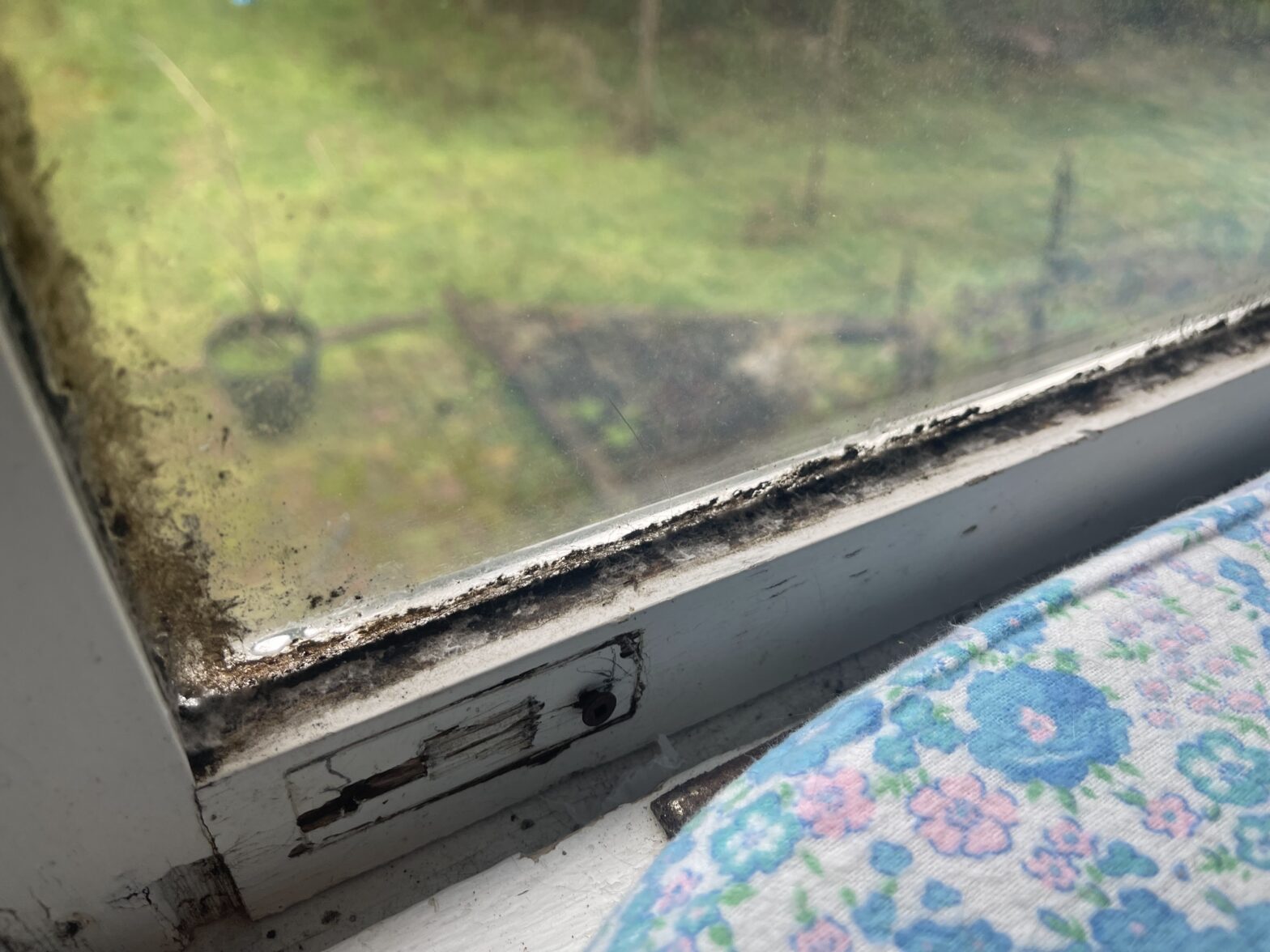
    These conditions may support active mold growth, often in concealed areas not immediately visible to occupants, landlords, or property managers.


    Health Considerations: Airborne Mold Spores & Mycotoxins

    When mold becomes established, it can release microscopic mold spores and, in some cases, mycotoxins into the indoor environment. These contaminants can become airborne and spread beyond the original moisture source.

    Potential health effects may include:

    • Irritation of the eyes, nose, throat, and skin
    • Worsening of asthma or other respiratory conditions
    • Headaches, fatigue, or flu-like symptoms in sensitive individuals
    • Increased risk to children, seniors, and immunocompromised occupants

    Because airborne spores and mycotoxins are not always visible and may not produce strong odors, exposure can occur without obvious warning signs. Early awareness and reporting are essential for protecting occupant health and managing risk.


    Property & Building Material Risks

    From a building and asset management perspective, prolonged moisture exposure from trapped condensation can lead to progressive deterioration of building materials, a concern for landlords and property managers responsible for maintaining the structure’s integrity.

    Potential impacts include:

    • Deterioration or rot of wood window frames and trim
    • Swelling, softening, or breakdown of drywall and gypsum board
    • Reduced effectiveness or saturation of insulation
    • Corrosion of fasteners and metal components
    • Hidden damage within wall assemblies and window interfaces

    If left unaddressed, these conditions can contribute to Condition 3 mold contamination, increase remediation costs, and elevate long-term maintenance and liability exposure.


    Increased Risk Factors

    Risk is elevated in:

    • Bathrooms, kitchens, and bedrooms
    • Units with limited ventilation or inconsistent exhaust fan use
    • Coastal or high-humidity environments
    • Buildings with tightly sealed envelopes
    • Extended or seasonal use of sealed plastic window coverings

    Recommended Best Practices

    To reduce risk, occupants, landlords, and property managers are encouraged to:

    • Avoid long-term use of sealed plastic or poly window coverings
    • Maintain adequate ventilation, particularly in moisture-producing areas
    • Ensure bathroom and kitchen exhaust fans are used as intended
    • Consider breathable thermal curtains or purpose-built interior storm windows
    • Maintain indoor relative humidity levels between 30–50%
    • Conduct periodic inspections for condensation, staining, or material deterioration

    Where plastic window coverings are already in use, routine inspection and moisture monitoring are strongly recommended.


    Reporting & Early Intervention

    Occupants are encouraged to promptly report the following to landlords or property managers:

    • Persistent condensation on windows or frames
    • Musty or earthy odors
    • Visible staining, discoloration, or material degradation
    • Peeling paint, bubbling finishes, or softened drywall near windows

    Early reporting allows landlords and property managers to take timely corrective action and helps prevent escalation into more extensive damage or contamination.


    Professional Assessment, Decontamination & Prevention Strategies

    Pacific Decontamination Services provides professional services for occupants, landlords, and property managers, including:

    • Moisture and mold assessments to identify active and hidden sources of moisture
    • Air and surface sampling to evaluate indoor air quality and contamination levels
    • Condition-based mold remediation and decontamination, performed in accordance with industry best practices
    • Prevention strategies, including moisture control recommendations, ventilation improvements, and material protection guidance

    Professional assessment and preventative evaluation can help reduce:

    • Structural and building material damage
    • Indoor air quality concerns
    • Tenant complaints and occupancy disruptions
    • Long-term remediation, repair, and liability costs

    Early intervention and proper decontamination are key to preventing minor moisture issues from developing into widespread mold contamination.

    What Can You Do?  We Can Neutralize Your Mold or Rodent Infestation!

    In most situations, Pacific Decontamination Services can neutralize your mold up 99.99999%. If our spray, fog or foam can touch it, we can neutralize it.  Our services come at a fraction of the cost as compared to the expensive approaches like soda / dry ice blasting, hepa vacuuming, scrubbing, removal of insulation and deconstruction and reconstruction of the attic and roof.


    We neutralize the mold, or bacteria in your attic, crawl space, home, building, vehicle, or property by applying our eco-friendly, safe chemical on all surfaces and airborne, focusing our efforts on the visible mold areas. Depending on the job, we apply our formula by spray, mist, foam, or fog. We further kill all airborne mold spores in your attic. The average time of our on-site service is approximately one hour. An additional four hours is required to achieve maximum effectiveness. We ask that you stay out of the attic for approximately 5 hours in total. Read more about how we work.

    Pacific Decontamination Services uses the world’s strongest, most effective and safe antimicrobial disinfectant, deodorization and chemical decontaminate. Our professional application will eliminate up to 99.99999% of any allergen, germ, bacteria or fungus that it touches. AND as powerful as it is, it is also completely safe.

    What do you do next? How do you solve the challenge of mold and associated health hazards?

    Call Pacific Decontamination Services at 778-269-0208 or email us at our email address: contact @ pacificdecon dot com

    Serving All of Vancouver Island: Victoria, Cowichan, Duncan, Nanaimo, Parksville, Qualicum, Courtenay, Comox, Campbell River, and Port Alberni.
  • How to Avoid Condensation Problems

    How to Avoid Condensation Problems

    How to Avoid Condensation Problems in Duncan, Cowichan, Ladysmith, Nanaimo, Parksville, Qualicum Beach, Port Alberni, Courtenay, Comox, Campbell River or anywhere on Vancouver Island.

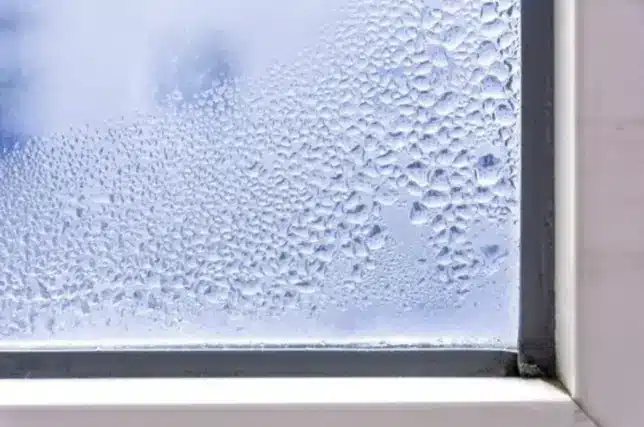
    Have you ever noticed water droplets on your window or black staining on the drywall of your walls? Have you ever wondered why the moisture returns around your windows after you have wiped it away? This type of moisture is from the interior air and is commonly referred to as condensation.

    Condensation and How Does it Form?

    Condensation occurs in your home when moist air encounters a surface at a lower temperature. Moist air contains water vapor, commonly referred to as humidity. Indoors, we can increase humidity through our activities and lifestyle. If a surface in your home is cold enough, the air in the immediate vicinity of the surface will be cooled, sometimes causing the moisture in the air to condense or change into a liquid on the surface.

    Condensation forms first on the coldest surfaces of a room, usually on glass surfaces of windows and doors. These surfaces are typically cooled by lower exterior temperatures during the winter months much more easily than the walls kept warm by insulation. For example, if it is cold enough outside and/or warm and humid enough inside, condensation may occur on or around your windows, resulting in fogging, water, or ice on the windows themselves or even a puddle of water on the window frame or sill. Other examples of condensation in your home can include damp spots or mildew on outside wall corners, closet walls, or baseboards. Areas of your home with poor air circulation, such as behind furniture or in a cupboard or closet, can also be susceptible to condensation.

    A small amount of condensation appearing on a surface may not necessarily be a problem. It depends on the amount of moisture that forms, how long it stays, and whether it accumulates on surfaces that can be damaged by water. Condensation can be short-term during a severe cold spell or occur in a localized area such as the kitchen, bathroom, or laundry room.

    In many instances, condensation moisture simply evaporates back into the air once the surfaces warm-up or the moisture source is reduced. An example is moisture that condenses on a bathroom window during a shower and quickly disappears shortly after the shower is turned off. However, as a general rule, steps should be taken to avoid condensation problems wherever possible, as moisture can lead to damage.

    Why Must I Avoid Condensation Problems?

    Simply put, you do not want MOLD to grow.  You do not want water damage.

    Condensation can cause serious damage to the interior and structural elements of your home or building. If condensation occurs frequently enough and for prolonged periods of time, materials in contact with the moisture may be damaged. Drywall and wood finishes around windows are two examples of materials in your home that can readily absorb moisture and become damaged if they remain wet for a sustained period of time. If left unchecked, condensation problems can cause:

    • crumbling or soft spots in the drywall

    • decay in wood framing or corrosion of steel framing

    • peeling paint

    • damage to the insulation inside the walls

    • mold and mildew problems in your home

    Most importantly, taking preventative steps to avoid condensation from occurring in your home will help prevent avoidable and expensive problems.

    Sources of Moisture in the Home

    We contribute to humidity levels in our homes through our activities and lifestyle. Water vapor is added to the air in large quantities by breathing, perspiration, cooking, bathing, cleaning, and other daily activities.

    How we produce humidity in our homes

    • A family of four can add moisture to the air, equivalent to 30 to 40 liters of water per week

    • Showering, cooking, bathing, and washing can add 15 to 20 liters per week

    • Drying clothes indoors can add 10 to 15 litres per week

    Newly constructed homes may temporarily exhibit a higher potential for condensation as moisture in plaster, cement, and other building materials escapes into the air during the first heating season. This elevated level of moisture in the air should taper off after a month or two. If it doesn’t, you should inform your building or maintenance manager of the situation.

    What Should the Indoor Temperature and Humidity Levels be?

    Interior temperature and relative humidity are often a matter of personal preference, but exceeding recommended humidity levels for extended periods of time can lead to a higher risk of condensation problems in your home. The recommended relative humidity level varies between winter and summer and by location. As a rough “rule of thumb,” interior air temperatures should generally be maintained between 18°C and 24°C, with relative humidity falling between 35% and 60% for the coastal temperate climate regions of British Columbia during the winter months. In colder and drier regions of the province, interior humidity levels should be limited to between 25% and 40% during the winter months. If you are unsure of the relative humidity in your home, small devices called “hygrometers” can be purchased that will allow you to measure the humidity levels.

    Humidity cannot be eliminated from the air altogether. It is needed to maintain a comfortable and healthy interior environment. Without humidity, we would suffer from chapped lips and dry skin, sore throats, breathing problems, static electricity, and damage to equipment and furniture.

    However, if the humidity gets too high, problems will arise in your home, such as condensation, musty smells, mold growth, allergic reactions, and damage to walls and interior finishes.

    How do I Avoid Mold and Condensation Problems?

    There are a number of steps that you can take to prevent condensation problems from occurring in your home.

    1) Reduce the amount of moisture or humidity generated in your home

    • Do not regularly hang large amounts of clothes to dry indoors. Wherever possible, dry your clothes in a dryer with an outside vent.

    • Shut off the humidifier if you are using one.

    • While cooking, put a lid on boiling water — it will also boil faster!

    • Try to have shorter showers. You will save the energy required to heat the water and conserve water.

    • Ensure the lint trap in your clothes dryer is clean. The lint trap should be inspected and cleaned before each use.

    • As much as possible, try to wash loads of dishes in the dishwasher.

    • Do not store wood indoors for your fireplace.

    2) Promote good air circulation in your home

    • Open blinds and drapes so air can circulate freely over the windows.

    • Direct heat towards exterior walls and windows.

    • Where condensation at windowsills is a persistent problem, remove any objects on the sill, such as books, photographs, and knickknacks, as they prevent air from circulating and removing moisture.

    • Move furniture such as sofas and bookcases so they are not touching outside walls. This will improve air circulation around the cooler outside wall and reduce condensation potential.

    3) Promote good ventilation in your home • Use the kitchen exhaust fan or range hood to remove humidity generated by cooking. Note: the exhaust fan or range hood should be vented to the outside.

    • Use bathroom fans and humidistats (if you have one) while bathing or showering. Some bathroom exhaust fans are connected to a humidistat that can be preset to ventilate the room when the humidity reaches a certain level. Keep the fan running until the humidity is below that set point. It is important that humidistats be set to the appropriate level and not turned to “off.” If the bathroom does not have a humidistat, the exhaust fan should be left running for a period of time after bathing or showering to remove the excess moisture from the bathroom. The exhaust fan should be vented to the outdoors. Some newer homes have a pre-set principal exhaust fan. Ensure that this fan is set to run for two 4-hour periods per day.

    • Open windows periodically and ensure fresh air intake vents are not blocked.

    • Make sure exterior vent hoods for your dryer, bathroom, and kitchen vents are unobstructed and operating freely. Clothes dryers that take longer to dry than usual and kitchen or bathroom fans that seem not to move the air could be signs of some obstruction in the duct or the outlet. Keeping vent hoods and lint traps clear will also reduce the energy required to dry the clothes, thus reducing utility bills. Qualified professionals should be used to carry out this maintenance item.

    • Consider upgrading your kitchen or bathroom fans. You may be right if your kitchen or bathroom fans make noise but don’t seem to do anything. Some older or cheaper units may not work effectively and tend to be noisy. A simple upgrade is relatively inexpensive and will often dramatically improve performance. Look for units with high air movement measured in cubic feet per minute (cf/m) or liter per second (L/s) and a low noise rating measured in decibels (dB) or sones. In most cases, you can address high humidity and condensation by reducing the humidity generated in your home. Ventilation may only reduce humidity levels if the air introduced into the room is drier than the interior air. When ventilation is ineffective at lowering the humidity sufficiently, you may need to incorporate a dehumidifier (or air c conditioner) to reduce humidity levels further. However, this should be considered as a last resort after you have taken the necessary steps to reduce the amount of humidity generated in your home. Also, dehumidifiers require electricity to operate and, therefore, may be an expensive option.

    Dealing with Persistent Condensation

    Problems

    Condensation is usually a localized problem that can be addressed by taking the steps described above to reduce humidity or promote good air circulation and ventilation in your home. However, if you have taken these steps and continue to experience condensation problems, other problems may exist that are more appropriately addressed by your maintenance manager or a qualified professional.

    Symptoms related to persistent condensation problems include:

    • windows that continue to have water droplets or that fog up, frost, or get ice build-up, even after you have taken necessary steps to lower humidity levels and prevent condensation in your home

    • black staining on the inside of walls, mainly in corners and near the floor or ceiling

    • mold or mildew growth

    • ice or frost under roof sheathing boards

    • delamination of plywood materials

    • damp or moist basement walls or floors.  Persistent condensation problems may relate to air leakage in your home, typically at the base of the wall (sometimes causing black staining at carpet edges), electrical lighting and receptacle outlets, and around windows and doors. This air leakage can allow cold air into the wall assembly, thus cooling the wall and increasing the potential for condensation. In other cases, it may be necessary to bring warm air to cold surfaces by changing the building’s heating patterns or providing dedicated heat sources to problem areas.

    Blowing warm air at problem areas has the additional effect of encouraging evaporation at the problem location. In some cases, the solution may be to insulate surfaces against cold temperatures, usually by increasing insulation levels in the walls behind the problem areas.

    However, the solutions to each of these potential problems should be carried out by qualified professionals.

    Action Plan Tips – Decontaminate the Mold: Call Pacific Decontamination Services

    After decontamination treatment by Pacific Decontamination Services

    • Take steps to avoid further condensation problems in your home:

    • Reduce the amount of moisture or humidity generated in your home. For example, do not hang

    laundry to dry indoors and take shorter showers.

    • Promote good air circulation in your home. For example, open blinds and drapes and move furniture to avoid touching an outside wall.

    • Promote good ventilation in your home. For example, use kitchen exhaust fans, bathroom fans and humidistats, and consider upgrading your exhaust fans if they are performing poorly.

    • If a persistent condensation problem becomes evident (after taking the above steps), a qualified professional may be needed to address the underlying cause of this problem.

    What Can You Do?  We Can Neutralize Your Mold!

    In most situations, Pacific Decontamination Services can neutralize your mold up 99.99999%. If our spray, fog or foam can touch it, we can neutralize it.  Our services come at a fraction of the cost as compared to the expensive approaches like soda / dry ice blasting, hepa vacuuming, scrubbing, removal of insulation and deconstruction and reconstruction of the attic and roof.


    We neutralize the mold in your attic, crawl space, home, building, vehicle, or property by applying our eco-friendly, safe chemical on all surfaces and airborne, focusing our efforts on the visible mold areas. Depending on the job, we apply our formula by spray, mist, foam, or fog. We further kill all airborne mold spores in your attic. The average time of our on-site service is approximately one hour. An additional four hours is required to achieve maximum effectiveness. We ask that you stay out of the attic for approximately 5 hours in total. Read more about how we work.

    Pacific Decontamination Services uses the world’s strongest, most effective and safe antimicrobial disinfectant, deodorization and chemical decontaminate. Our professional application will eliminate up to 99.99999% of any allergen, germ, bacteria or fungus that it touches. AND as powerful as it is, it is also completely safe.

    What do you do next? How do you solve the challenge of mold and associated health hazards?

    Call Pacific Decontamination Services at 778-269-0208 or email us at our email address: contact @ pacificdecon dot com

    Serving All of Vancouver Island: Victoria, Cowichan, Duncan, Nanaimo, Parksville, Qualicum, Courtenay, Comox, Campbell River, and Port Alberni.
  • Understanding Efflorescence: Causes, Risks, and the Link to Mold Growth

    Understanding Efflorescence: Causes, Risks, and the Link to Mold Growth

    Efflorescence is a common issue that many property owners in Duncan, Cowichan, Ladysmith, Nanaimo, Parksville, Qualicum, Port Alberni, Courtenay, Comox, Courtenay and all of Vancouver Island face, and it can be a precursor to more serious problems like mold growth. As a leading provider of Pacific Decontamination Services, we understand the importance of educating our clients about the causes, signs, and potential health concerns associated with efflorescence. In this blog, we will delve into the world of efflorescence, exploring its origins, what to look for, and the potential risks it poses, including its connection to mold growth.

    What is Efflorescence?

    Efflorescence is the white, powdery substance that forms on the surface of concrete, brick, or other masonry materials. It occurs when water-soluble salts migrate through the porous material and reach the surface, where they crystallize. While efflorescence itself is not harmful, it is a sign of water infiltration and can lead to more severe issues if left unaddressed.

    Causes of Efflorescence

    Understanding the causes of efflorescence is crucial for effective prevention and remediation. The primary factors include:

    Water Infiltration: Water seeping into porous materials dissolves salts present in the material, carrying them to the surface where they crystallize.

    Temperature Changes: Fluctuations in temperature can influence the movement of water within building materials, contributing to efflorescence.

    Poor Ventilation: Inadequate ventilation in enclosed spaces can trap moisture, exacerbating the conditions that lead to efflorescence.

    What to Look For

    Recognizing the signs of efflorescence is essential for prompt intervention. Keep an eye out for:

    White Powdery Residue: The most apparent sign of efflorescence is the presence of a white, chalky residue on surfaces.

    Discoloration: Efflorescence can cause discoloration of materials, making them appear faded or stained.

    Crystalline Deposits: In advanced stages, efflorescence may manifest as visible crystalline deposits on the surface.

    Dangers and Health Concerns

    Efflorescence itself is not harmful, but it signals underlying issues that can pose risks:

    Structural Damage: Persistent water infiltration can compromise the structural integrity of buildings, leading to more severe problems.

    Mold Growth: Efflorescence creates an environment conducive to mold growth. Mold poses significant health risks, including respiratory issues and allergies.

    Aesthetic Damage: Efflorescence can mar the appearance of structures, impacting property value and aesthetics.

    Link to Mold Growth

    Efflorescence and mold are interconnected issues. The moisture that triggers efflorescence creates a favorable environment for mold growth. Mold spores thrive in damp conditions, and when combined with the nutrients present in building materials affected by efflorescence, mold colonies can quickly develop.

    What Can You Do?

    In most situations, Pacific Decontamination Services can neutralize your mold up 99.99999%. If our spray, fog or foam can touch it, we can neutralize it.  Our services come at a fraction of the cost as compared to the expensive approaches like soda / dry ice blasting, hepa vacuuming, scrubbing, removal of insulation and deconstruction and reconstruction of the attic and roof.


    We neutralize the mold in your attic, crawl space, home, building, vehicle, or property by applying our eco-friendly, safe chemical on all surfaces and airborne, focusing our efforts on the visible mold areas. Depending on the job, we apply our formula by spray, mist, foam, or fog. We further kill all airborne mold spores in your attic. The average time of our on-site service is approximately one hour. An additional four hours is required to achieve maximum effectiveness. We ask that you stay out of the attic for approximately 5 hours in total. Read more about how we work.

    Pacific Decontamination Services uses the world’s strongest, most effective and safe antimicrobial disinfectant, deodorization and chemical decontaminate. Our professional application will eliminate up to 99.99999% of any allergen, germ, bacteria or fungus that it touches. AND as powerful as it is, it is also completely safe.

    What do you do next? How do you solve the challenge of mold and associated health hazards?

    Call Pacific Decontamination Services at 778-269-0208 or email us at our email address: contact @ pacificdecon dot com

    Serving All of Vancouver Island: Victoria, Cowichan, Duncan, Nanaimo, Parksville, Qualicum, Courtenay, Comox, Campbell River, and Port Alberni.
    Efflorescence is more than just a cosmetic issue; it serves as a warning sign of potential structural damage and the risk of mold growth. As specialists in decontamination services, Pacific Decontamination Services recommends addressing efflorescence promptly to prevent further complications. Regular inspections, proper ventilation, and timely remediation efforts can help safeguard your property and ensure a healthy living environment. If you suspect efflorescence or mold issues, don’t hesitate to contact us for expert assistance and comprehensive decontamination services.

  • Eliminating Mold and Mildew

    Eliminating Mold and Mildew

    Mold in homes, offices, crawlspaces, basements, attics are extremely common and may lead to health concerns for homeowners in Victoria, Cowichan, Duncan, Nanaimo, Parksville, Qualicum, Courtenay, Comox, Campbell River, and Port Alberni.
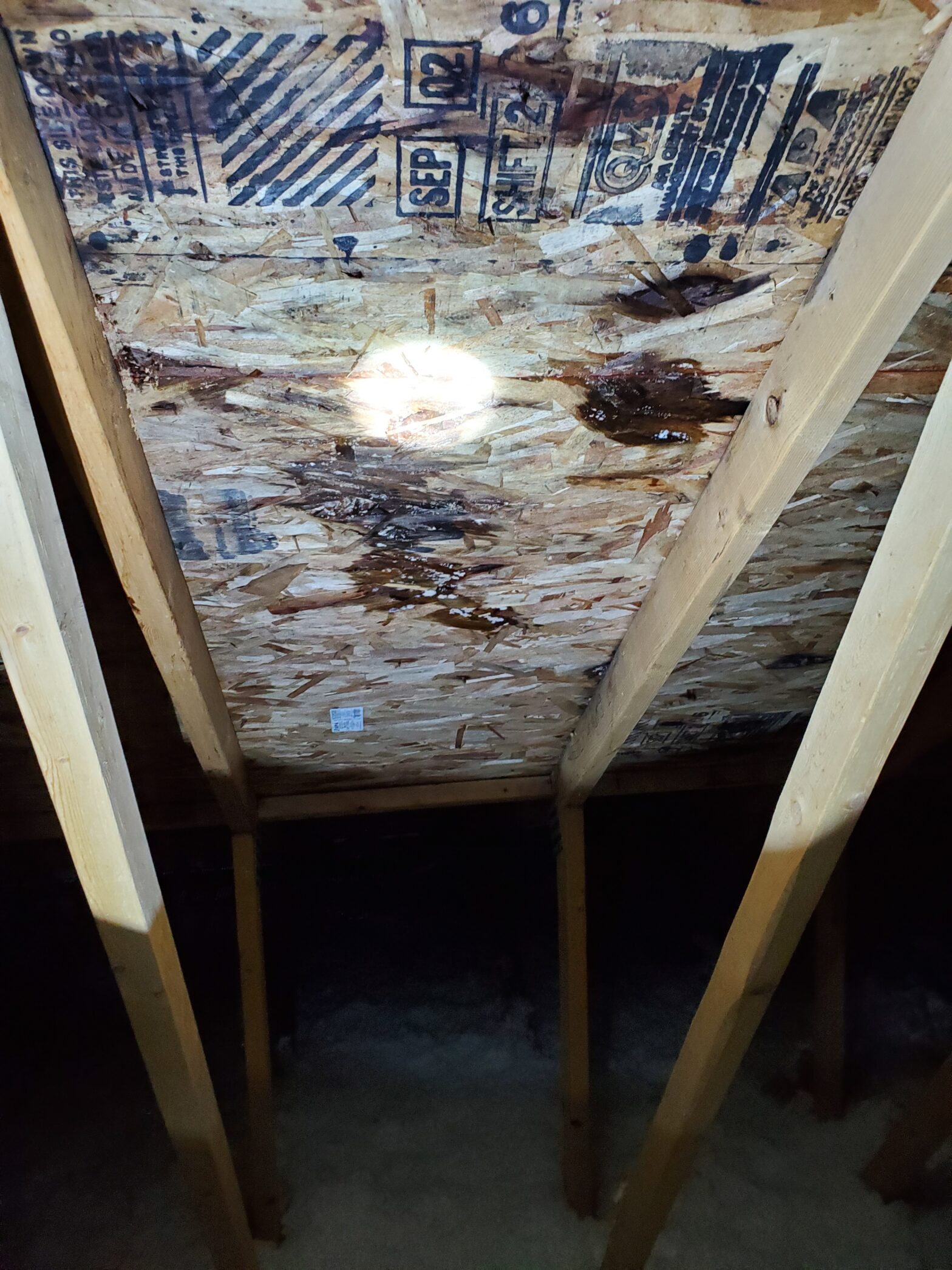
    Even after standing water has been removed from your home, dampness will persist. Not-so-fun fact: The microorganisms that turn into mold colonies are always present in the air around us, so mold growth will start quickly in the right (i.e. damp) conditions, which poses serious health risks and can make cleanup an absolute nightmare.

    According to the CDC, mold begins to grow 24-48 hours after a flood event, so removing water and any lingering moisture as soon as possible from a water-damaged building is imperative. Once the water is gone, using dehumidifiers, exhaust fans, and portable air-conditioning units can help reduce humidity and lingering moisture. Do not use outdoor or ground-mounted central air units, which can be contaminated with silt after a flood. It’s also a good idea to open up the building to increase ventilation if it’s less humid outside.

    If mold is growing in your home, you may be able to smell it before you see it. Mold may grow in hidden areas, like under carpet, behind drywall, or under wallpaper.

    Important Safety Tip: When entering and inspecting a space where there is flood damage and mold, it is essential to wear respirator masks, rubber or insulated footwear, heavy-duty work gloves, and safety goggles. Those who suffer from respiratory issues or a weakened immune system should avoid entering the space entirely.

    If the mold problem is throughout the room, or residence, it’s a good idea to seek the help of a professional who is trained in mold cleanup. Always err on the side of caution when it comes to severe flood damage or major mold issues. Remember, moisture is mold’s best friend.

    What Can You Do?

    In most situations, Pacific Decontamination Services can neutralize your mold up 99.99999%. If our spray, fog or foam can touch it, we can neutralize it.  Our services come at a fraction of the cost as compared to the expensive approaches like soda / dry ice blasting, hepa vacuuming, scrubbing, removal of insulation and deconstruction and reconstruction of the attic and roof.


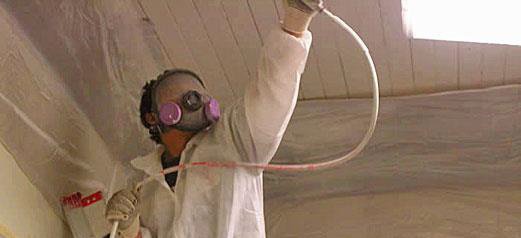
    We neutralize the mold in your attic by applying our eco-friendly, safe chemical everywhere within your attic, focusing our efforts on the visible mold areas. Depending on the job, we apply our formula by spray, mist, foam, or fog. We further kill all airborne mold spores in your attic. The average time of our on-site service is approximately one hour. An additional four hours is required to achieve maximum effectiveness. We ask that you stay out of the attic for approximately 5 hours in total. Read more about how we work.

    Pacific Decontamination Services uses the world’s strongest, most effective and safe antimicrobial disinfectant, deodorization and chemical decontaminate. Our professional application will eliminate up to 99.99999% of any allergen, germ, bacteria or fungus that it touches. AND as powerful as it is, it is also completely safe.

    What do you do next? How do you solve the challenge of mold and associated health hazards?

    Call Pacific Decontamination Services at 778-269-0208 or email us!

    Serving All of Vancouver Island: Victoria, Cowichan, Duncan, Nanaimo, Parksville, Qualicum, Courtenay, Comox, Campbell River, and Port Alberni.
  • Removing Mold in Attics

    Removing Mold in Attics

    What are the tell-tale signs of an attic mold problem for residents living in Victoria, Duncan, Nanaimo, Parksville, Qualicum, Port Alberni, Comox, Courtenay and Campbell River?

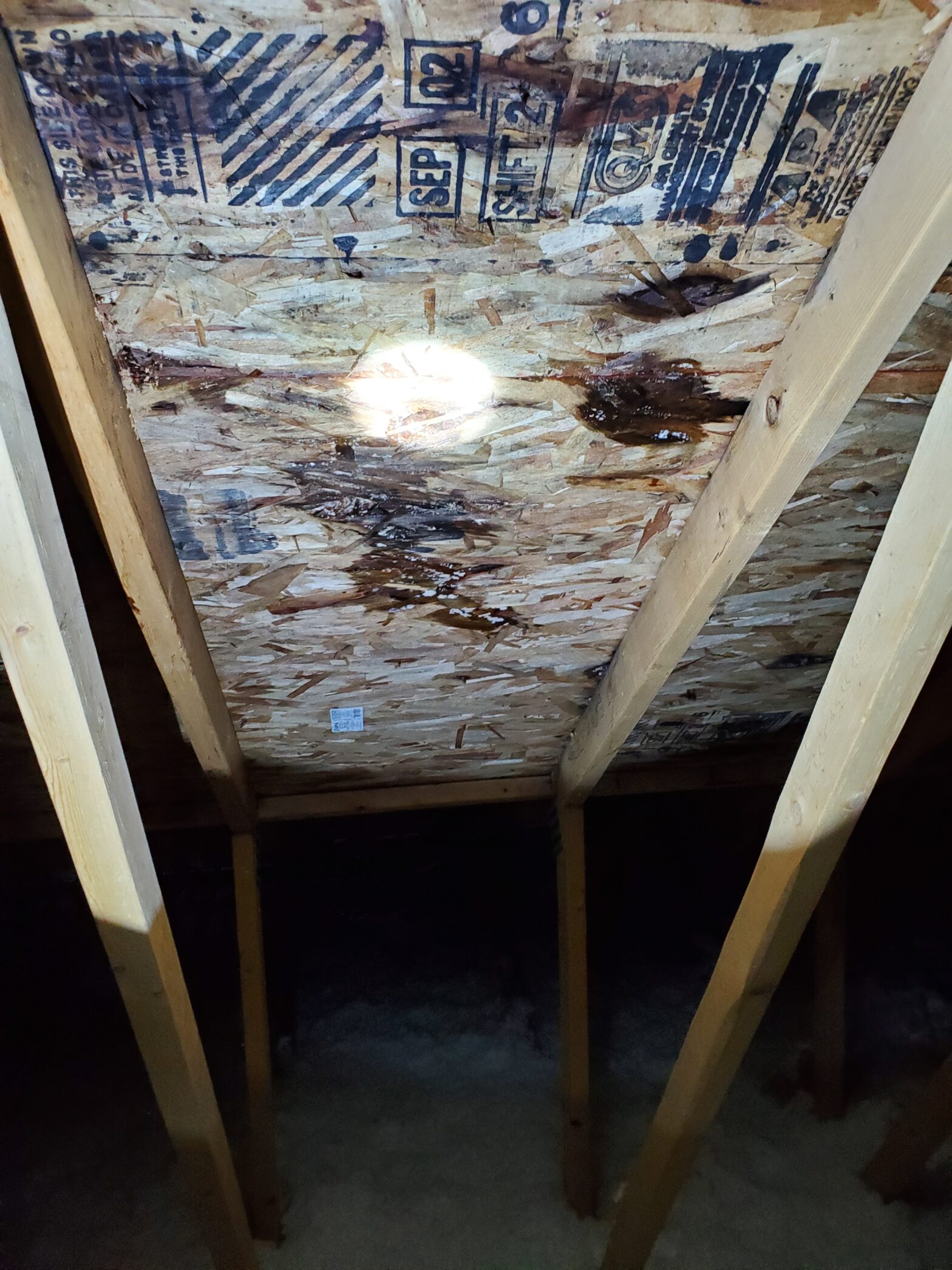
    Dark black staining on wood surfaces — If the wood in your attic shows any black discoloration, the problem has moved beyond moisture; you have mold that should be removed.
    Attic feels excessively hot or stuffy — Attics should feel breezy if they are properly ventilated. When an attic is stuffy, that indicates you have a ventilation problem, which often results in mold problems.
    Frost buildup on the underside of the roof sheathing in winter — When it’s cold enough outside, water vapor in an attic with improper ventilation can freeze on the underside of your roof. This makes it especially easy to spot.
    Wet insulation in the attic — Not only is this a sign that you may (or soon will) have a mold problem, but when insulation gets damp or wet its ability to insulate becomes significantly diminished, costing you extra money to heat/cool your home.
    Water dripping from smoke detectors, light fixtures, bath fans — This is a sure sign that the floor (or attic) above you has a level of moisture that needs to be addressed.
    The smell of mildew in the attic — Trust your nose. A musty or moldy smell in the attic means there’s a moisture problem somewhere.

    Mold Exposure – How Vulnerable Are You?

    What causes attic mold?

    We in the mold industry like to say that “mold problems are moisture problems.” In other words, you cannot have a mold problem without a moisture problem. And mold can make you sick!

    Generally speaking, attic moisture problems that lead to mold growth are most often caused by:

    Blocked or Insufficient Ventilation
    Improper Exhausting of Bathroom Fans or Dryer Vents
    Roof Issues/Leaks

    How to Remove, Eliminate and Remediate Black Mold in Victoria, Duncan, Nanaimo, Parksville, Qualicum, Port Alberni, Comox, Courteney, Campbell River

    Pacific Decontamination Services neutralize your mold by applying our eco-friendly, safe chemical into your attic, crawlspace, or basement. Depending on the job, we apply our formula by spray, mist, foam, or fog. We do not use a tent. The average time of our on-site service is approximately one hour. An additional four hours is required to achieve maximum effectiveness. We ask that you stay out of the premise for approximately 5 hours in total. Read more about how we work.

    Pacific Decontamination Services uses the world’s strongest, most effective and safe antimicrobial disinfectant, deodorization and chemical decontaminate. Our professional application will eliminate up to 99.9999% of any allergen, germ, bacteria or fungus that it touches. AND as powerful as it is, it is also completely safe.

    What do you do next? How do you solve the challenge of mold and associated health hazards?

    Call Pacific Decontamination Services at 778-269-0208 or email us!
    Serving All of Victoria, Duncan, Nanaimo, Parksville, Qualicum, Port Alberni, Comox, Courtenay, Campbell River, and all of Vancouver Island:

  • Mold Inspection and Testing – Victoria, Duncan, Nanaimo, Parksville, Courtenay, Campbell River

    Mold Inspection and Testing – Victoria, Duncan, Nanaimo, Parksville, Courtenay, Campbell River

    Mold inspection and testing for homeowners in Victoria, Cowichan, Duncan, Nanaimo, Parksville, Qualicum, Courtenay, Comox, Campbell River, and Port Alberni.
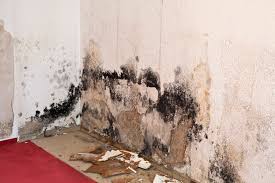
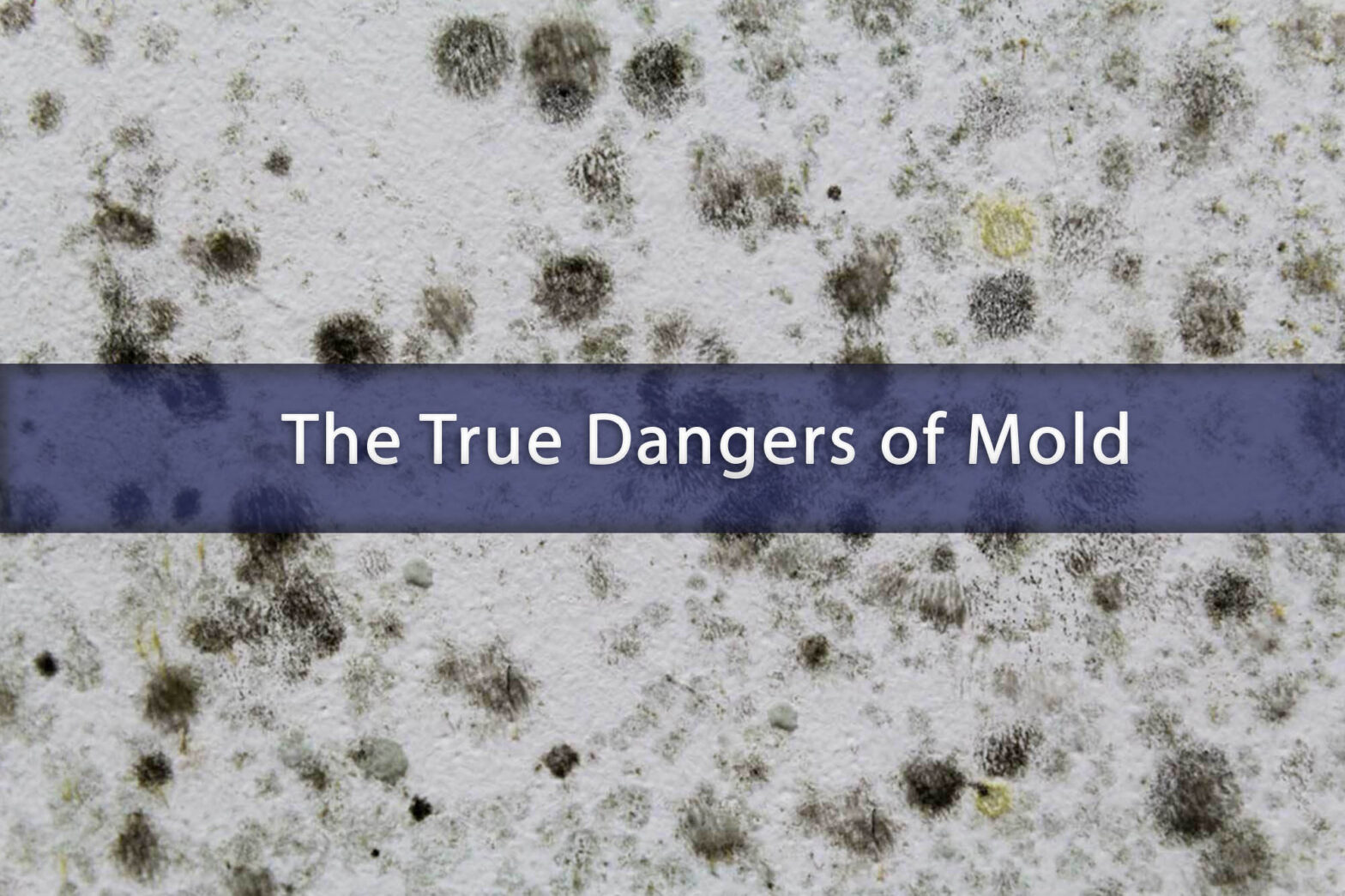
    Mold is a type of fungus that often looks like fuzzy spots of different colors, including green, gray, or black. More than 100,000 mold species have been identified. Exposure to molds can be linked to negative health effects, depending on the type of mold and the health status of the person.

    You may have heard or read about “toxic mold.” Actually, molds themselves are not toxic or poisonous.

    You may have heard or read about “toxic mold.” Actually, molds themselves are not toxic or poisonous. However, there are mold species that are “toxigenic,” meaning they produce mycotoxins (myco- is a prefix that means fungal). These mycotoxins are chemical byproducts of metabolic processes – any process performed to maintain life, such as converting food into energy or cellular respiration. Some mycotoxins can cause a toxic response in humans and animals, even in small amounts.  Hidden dangers of mold.

    Molds reproduce by creating spores that can be too small for the naked eye to see. The spores vary in shape and range from 2 to 100 microns in size (for comparison, a strand of a human hair ranges from 17 to 181 microns in diameter). Molds release the reproductive spores, which can spread through the air, water, or on animals. Mold spores can cause health issues by triggering allergies or asthma attacks.

    When mold spores land on a damp spot indoors, they may begin growing and digesting whatever they are growing on to survive. Molds can reproduce in any moist place. They can grow on wood, paper, carpet, foods and other surfaces.

    General mold categories

    Mold species are generally categorized as one of three types:

    1.        Allergenic – Unlikely to cause illness (though it may aggravate mild allergies)

    2.        Pathogenic – Can cause infection in people who are immunocompromised

    3.        Toxigenic – Toxic to all humans and animals who come in contact with it

    Allergenic molds

    Everyone breathes in airborne mold spores, but some have an allergic reaction or experience asthma symptoms. Airborne mold spores can get into the nose, causing similar symptoms to other common airborne allergens, such as sneezing, itching, runny nose, congestion and dry skin. Mold spores can also enter the lungs, triggering an asthmatic episode.

    Everyone breathes in airborne mold spores.

    The most common molds whose spores can act as allergens include:

    •          Alternaria – This genus of molds comprises approximately 50 mold species. It is a common outdoor mold, and its spores are a common allergen. Alternaria species often appear as dark gray spots. The mold genus can grow indoors, especially damp surfaces with a food source, such as wood. The most common Alternaria species are A. tenuissima and A. alternate. A. alternate is often found growing on the following indoor materials if they are damp: iron, tiles, bricks, plaster, wallpaper, paper, and canvas.2

    •          Aspergillus – This genus of mold grows worldwide and is one of the most commonly occurring molds in hospitals. Its spores can trigger an allergic reaction in some people. Aspergillus is so abundant that it is probably impossible to avoid breathing in at least some of its spores. For most people with healthy immune systems, breathing Aspergillus is not harmful. There are a few species of the genus that can cause serious illness when inhaled by people who are immunocompromised, have a lung disease such as COPD, or have asthma. The range of health issues Aspergillusmay cause is known as aspergillosis. Some people will have a severe allergic response to inhaling spores of the species Aspergillus fumigatus. This immune response is called allergic bronchopulmonary aspergillosis (ABPA), which causes airway inflammation.3

    •          Cladosporium – The Cladosporium genus is one of the most widespread molds. Its spores can act as allergens, triggering reactions in sensitive people. C. herbarum is the most commonly identified allergenic species of Cladosporium.4 Indoors, Cladosporium is common on wet building materials, such as gypsum board, acrylic painted walls, wood, wallpaper, carpet and mattress dust, HVAC fans, and wet insulation in mechanical cooling units.5

    •          Penicillium – This mold genus includes hundreds of species, some of which are used to produce the antibiotic penicillin. It is a blue-green mold that many people have seen growing on food. Some Penicillium species produce airborne spores that can act as allergens and asthma triggers for sensitive people.6

    Other common molds that produce spores that can act as allergens include the genera Epicoccum, Fusarium, Helminthosporium, Mucor, Rhizopus, and Pullularia.

    Pathogenic molds

    A pathogenic mold is one that can cause an infection in humans, even if they are in good health. Some genus of molds include species that fall into the allergenic category, as well as species categorized as pathogenic. One such example is the Aspergillus genus. This genus includes several allergenic species, as well as one very pathogenic species, fumigatus.

    A pathogenic mold is one that can cause an infection in humans, even if they are in good health.

    The most common pathogenic molds include:

    •          Aspergillus species: A. fumigatus and A. flavus – A. fumigatus is the most prevalent species of the genus and is the leading cause of invasive aspergillosis and can cause chronic pulmonary infections. Although airborne A. flavus is more prevalent in some hospitals and locations, it is far less studied than A. fumigatus. A. flavus is also known to produce mycotoxins.7

    •          Cryptococcus neoformans – This mold lives in environments worldwide. People can develop an infection after inhaling its spores, although it is extremely rare for those with healthy immune systems. If an immunocompromised person inhales spores, they can stay in the body and cause a later infection if the immune system becomes even weaker. Most cases of cryptococcal meningitis (a form of fungal meningitis) are linked to C. neoformans.8

    •          Histoplasma capsulatum – H. capsulatum causes the infectious disease histoplasmosis. It’s acquired by inhaling airborne H. capsulatum spores. Inhaled spores can also cause a lung infection (pneumonia). Those with a weakened immune system risk the infection spreading throughout the body which can be life-threatening. This mold is usually found in soil; however, it is also found where there are bat and bird droppings. Spores usually become airborne from soil disturbances like digging or building demolition. Outbreaks are most often caused by large-scale construction projects.9

    Toxigenic molds

    The toxigenic molds are the misnamed “toxic mold” species that may create the chemical metabolic byproducts called mycotoxins, which can cause a toxic response in humans and animals. Mycotoxins are separate from the spores molds produce for reproduction. However, these chemicals can become airborne and travel with mold spores. Researchers have also demonstrated that mycotoxins also travel through the air on very small particles of dust or tiny pieces of wallpaper, which can easily be inhaled.10

    Mycotoxins travel through the air on very small particles of dust or tiny pieces of wallpaper, which can easily be inhaled.

    It should be noted that the presence of a toxigenic mold species does not necessarily mean the presence of mycotoxins. Also, it’s not possible to know if a mold is producing mycotoxins just by looking at it.11

    Some of the most commonly found toxigenic molds found growing indoors include:

    •          Fusarium species: F. solani, F. oxysporum, F. moniliforme12

    •          Penicillium species:P. brevicompactum, P. chrysogenum, P. citrinum, P. corylophilum, P. cyclopium, P. expansum. P. fellutanum, P. spinulosum, andP. viridicatum13

    •          Aspergillus species: A. versicolor, A. niger and A. flavus14

    •          Stachybotrys chartarum –This is the notorious “black mold” that is often referenced in the media. Learn more about Stachybotrys chartarum.

    What you can do about mold in your home

    The best way to control mold growth is to control moisture.

    Mold Testing and Inspection


    Our Mold Inspection Service is a Combination of Initial Inspection and Testing

    We Perform 7 Types of Mold Testing Options With Our Initial Inspection:

    Our prices are significantly less than any other mold testing and inspection business in Victoria, Duncan, Cowichan, Nanaimo, Parksville, Qualicum, Courtenay, Comox, Port Alberni and Campbell River.

    1. Instant Results – Surface Sampling for Black Mold (Viable and Non-Viable)

    2. 24 hr Results Air/Surface Sampling for Living Mold (Viable)

    3. Air Sampling for Mold (Viable and/or Non-Viable)  – Laboratory Analysis

    4. Surface Sampling for Mold (Species Identification) – Laboratory Analysis

    5. DNA sampling (ERMI Test) for Mold – Laboratory Analysis

    6. Instant Results – Surface Bacteria (Including Mold) Testing for ATP (Adenosine Triphosphate)

    7. Instant Results – Air Laser Particulate Counter Testing – Air Quality Assessment

    Other actions you can take:

    In most situations, Pacific Decontamination Services can neutralize your mold up 99.99999%. If our spray, fog or foam can touch it, we can neutralize it.  Our services come at a fraction of the cost as compared to the expensive approaches like soda / dry ice blasting, hepa vacuuming, scrubbing, removal of insulation and deconstruction and reconstruction of the attic and roof.
    We neutralize the mold in your attic, crawl or building by applying our eco-friendly, safe chemical everywhere within your attic, focusing our efforts on the visible mold areas. Depending on the job, we apply our formula by spray, mist, foam, or fog. We further kill all airborne mold spores in your attic. The average time of our on-site service is approximately one hour. An additional four hours is required to achieve maximum effectiveness. We ask that you stay out of the attic for approximately 5 hours in total. Read more about how we work.

    Pacific Decontamination Services uses the world’s strongest, most effective and safe antimicrobial disinfectant, deodorization and chemical decontaminate. Our professional application will eliminate up to 99.9999% of any allergen, germ, bacteria or fungus that it touches. AND as powerful as it is, it is also completely safe.

    What do you do next? How do you solve the challenge of mold and associated health hazards?

    Call Pacific Decontamination Services at 778-269-0208 or email us!

    Serving All of Vancouver Island: Victoria, Cowichan, Duncan, Nanaimo, Parksville, Qualicum, Courtenay, Comox, Campbell River, and Port Alberni.

  • Mold Remediation and Mold Removal in Victoria

    Mold Remediation and Mold Removal in Victoria

    Mold in crawlspaces, basements and attics are extremely common, and may impact homeowners in Victoria. If you have mold, you should a service that safely eliminates the mold and spores from your premise.

    Mold growth can start in as little as 48 hours once water gets into your property. Mold spores flourish wherever there is moisture. These spores can rapidly grow into colonies when exposed to water. Sources of moisture or water must therefore be addressed before mold remediation can start, or else the mold may return. Dampness results from water incursion either from exterior or interior sources. If you have a leaky roof or windows, or a burst pipe, the source of your moisture is apparent, and you’ll know where to look for mold. On the other hand, if the moisture source is hidden from plain view, mold growth will obviously be harder to spot.

    Removing mold in Victoria, B.C. isn’t just about maintaining your home, it’s about ensuring healthy indoor air quality and keeping yourself and your loved ones safe.

    Victoria homes should consider mold remediation and removal. 

    Regarding black mold…Black mold problems that are not addressed immediately can quickly spread to and contaminate other areas of your home, compromising its structural integrity and safety.

    Once you know that you have mold in your home or office, it is crucial to neutralize it as soon as possible. Never attempt to do so yourself as this could result in further contamination and unnecessary exposure. Contact Pacific Decontamination Services for expert help.

    Mold often develops in buildings that have been victim to serious water damage or flooding. It can be an equally destructive problem in both new and old constructions, leading to a decline in indoor air quality, Sick Building Syndrome and other serious health problems.

    Regarding black mold in Victoria premises, industry professionals often refer to it as the invisible killer because people usually have no clue that they have a problem until they start to experience debilitating symptoms and a decline in their health.

    Where is black mold most likely to grow in Victoria homes and buildings?

    The following areas of a home are typically most prone to mold growth and therefore most likely to need black mold removal:

    Basements (mold on floors, walls, and carpets as a result of moisture intrusion)
    Crawlspaces (mold as a result of condensation on walls and ceilings)
    Bathrooms (showering, leaky toilets and other sources of moisture give rise to mold on shower walls, tiles and grout)
    Laundry rooms (washing machines, damp towels and poor ventilation can cause mold growth)
    Kitchens (cooking, boiling water and washing without an exhaust fan causes humidity to accumulate and ultimately leads to mold growth)
    Closets (storing damp or dirty clothing in a closed space can cause mold)
    Underneath furniture (lack of ventilation, darkness, warmth and dampness can all contribute to mold growth).

    The fact that mold is able to grow so easily explains why black mold removal is such a complex task. However, when left to a professional, black mold removal can be effective and yield long-lasting results. Call Pacific Decontamination Services today for expert help and remediation with black mold.

    Symptoms associated with black mold exposure

    Black mold, or Stachybotrys chartarum, is the deadliest and most dangerous species of mold and the one that should be avoided at all costs.

    Listed below are some of the most common symptoms of exposure to Victoria and Vancouver Island mold types.

    Coughing, wheezing and difficulty breathing
    Onset or worsening of allergies and/or asthma
    Fever
    Headaches
    Dizziness or nausea
    Skin irritation and rashes
    Throat irritation
    Chronic fatigue and low energy
    Itchy, watery eyes
    Anxiety and/or depression

    How to Remediate Black Mold in Victoria BC

    Victoria based Pacific Decontamination Services neutralize your mold by applying our eco-friendly, safe chemical into your attic, crawlspace, or basement. Depending on the job, we apply our formula by spray, mist, foam, or fog. We do not use a tent. The average time of our on-site service is approximately one hour. An additional four hours is required to achieve maximum effectiveness. We ask that you stay out of the premise for approximately 5 hours in total. Read more about how we work.

    Pacific Decontamination Services uses the world’s strongest, most effective and safe antimicrobial disinfectant, deodorization and chemical decontaminate. Our professional application will eliminate up to 99.99999% of any allergen, germ, bacteria or fungus that it touches. AND as powerful as it is, it is also completely safe.

    What do you do next? How do you solve the challenge of mold and associated health hazards?

    Call Pacific Decontamination Services at 778-269-0208 or email us!
    Serving All of Victoria and all of Vancouver Island:

  • Mold Remediation Victoria, Duncan, Cowichan, Nanaimo, Parksville, Qualicum, Comox, Courtenay, Campbell River and Port Alberni

    Mold Remediation Victoria, Duncan, Cowichan, Nanaimo, Parksville, Qualicum, Comox, Courtenay, Campbell River and Port Alberni

    MOLD REMEDIATION

    Mold infestation can be dangerous to your health and can impact residents in Victoria, Cowichan, Duncan, Nanaimo, Parksville, Qualicum, Courtenay, Comox, Campbell River, and Port Alberni.

    Any home or commercial property can quickly become infested with mold if a source of water is present. Mold can spread throughout a property in as little as 48 hours.

    Since mold can produce allergens and irritants, you should call us to inspect your home if you suspect you have a mold problem. If mold is found, we have the training, equipment, and expertise to neutralize your mold infestation.

    Learn more about black mold.

    If You See Signs of Mold,

    Call Us Today – 778-269-0208 

    Understanding Mold

    Microscopic mold spores exist almost everywhere, outdoors and indoors, making it impossible to remove all mold from a home or business. Some restoration businesses advertise “mold removal” and even guarantee to remove all mold, which is a fallacy. Consider the following mold facts:

    Mold is present almost everywhere, indoors and outdoors.

    Mold spores are microscopic and float along in the air and may enter your home through windows, doors, or AC/heating systems or even hitch a ride indoors on your clothing or a pet.

    Mold spores thrive on moisture. Mold spores can quickly grow into colonies when exposed to water. These colonies may produce allergens and irritants.

    Before mold remediation can begin, any sources of water or moisture must be addressed. Otherwise, the mold may return.

    Mold often produces a strong, musty odor and can lead you to possible mold problem areas.

    Even higher-than-normal indoor humidity can support mold growth. Keep indoor humidity below 45 percent. 

    Why Pacific Decontamination?

    We are fast response to mold damage

    A minor mold problem can quickly become a major infestation if left untreated. We can start the neutralization process immediately after you contact us. A faster response lessens the mold damage, limits additional damage, and reduces the overall cost.

    We are highly trained mold specialists who get started quickly to get your home or business back to normal, with specific training and certifications to handle your restoration needs.

    We provide fast mold damage cleanup

    We use advanced mold neutralization techniques and equipment

    Learn More

    The Mold Remediation Process

    Every mold damage scenario is different, and requires a unique solution, but the general mold remediation process stays the same. The steps listed below illustrate the “typical” process:

    Emergency Contact – 778-269-0208

    Inspection and Mold Damage Assessment

    Mold Containment

    Air Filtration

    Removing Mold and Mold-Infested Materials

    Cleaning Contents and Belongings

    Restoration

    Common Mold Misconceptions

    Locally Owned Vancouver Island Company

    We live and work in this community too; we might even be neighbors. As a locally owned and operated business, Pacific Decontamination Services is close by and ready to help with your mold-damaged property.

    We are proud to serve our local communities: Victoria, Duncan, Cowichan, Ladysmith, Nanaimo, Parksville, Qualicum Beach, Parksville, Tofino, Comox, Courtenay, and Campbell River.

    How to Get Rid of Mold or Mildew

    Pacific Decontamination Services can neutralize mildew and mold up to 99.99999% by applying our eco-friendly, safe chemical into your home, air conditioner, shower, faucets, hot tub, spa, or any other item or location. Depending on the job, we apply our formula by spray, mist, foam, or fog.

    Click Here to View Types of Biological Organisms and Chemical Threats that Pacific Decontamination Kills and Neutralizes

    We do not use a tent. The average time of our on-site service is approximately one hour. An additional four hours is required to achieve maximum effectiveness. We ask that you stay out of the premise for approximately 5 hours in total. Read more about how we work.

    Pacific Decontamination Services uses the world’s strongest, most effective and safe antimicrobial disinfectant, deodorization and chemical decontaminate. Our professional application will eliminate up to 99.99999% of any allergen, germ, bacteria or fungus that it touches. AND as powerful as it is, it is also completely safe.

    What do you do next? How do you solve the challenge of mold, mildew and associated health hazards?

    Call Pacific Decontamination Services at 778-269-0208 or email us!