Tag: mold in your attic

  • Bleach Does Not Break the Mold Lifecycle

    Bleach Does Not Break the Mold Lifecycle


    Bleach does not break the mold lifecycle.  Wiping down mold with bleach does not solve the problem in homes, offices, crawlspaces, basements, attics, vehicles for homeowners in Victoria, Cowichan, Duncan, Nanaimo, Parksville, Qualicum, Courtenay, Comox, Campbell River, and Port Alberni,

    Does Bleach Kill Mold?

    There is a lot of misinformation about bleach and mold.

    A quick internet search pulls up all kinds of conflicting information about bleach and mold. Some articles state emphatically that bleach kills mold while others caution against using bleach to remove mold.

    The United States of America OSHA (Occupational Safety and Health Administration) was one of the first federal agencies to STOP recommending the use of liquid bleach for mold remediation.

    What is Bleach?

    Bleach is the generic term that describes a variety of chemicals used to whiten clothes, lighten hair colors, and remove stains. Additionally, most types of bleach will disinfect and sterilize germs and bacteria. While there are several types of bleach, chlorine bleach is a common household bleach.

    Does Bleach Kill Mold?

    Yes. But… germs and bacteria, like salmonella and influenza, require a host to thrive. While they will live for a period of time outside the body, they will eventually die without a host. This makes cleaning with bleach an effective way to kill germs and bacteria because they don’t have the means to reproduce outside of a host.

    Mold is much more complicated than that. Hence why it causes far greater destruction than a virus.

    Mold is a naturally occurring airborne fungus that aids in the decomposition of organic materials. If you have mold growing in your home, you also have mold spores in the air. Instead of an animal or human host, mold lives on organic material and moisture.

    Since mold spores can “soak into” a surface, mold can outrun bleach. A virus or bacteria can’t do that because they live on surfaces. So if you catch a mold spore at the right moment, bleach may be able to remove it but it could also cause some other issues along the way. Read more about mold, mold spores and health concerns here.

    Reasons Why You May Not Want to Use Bleach to Kill Mold

    1. Bleach Does What It Does Best – It Bleaches

    Bleach basically only removes the color from the visible mold. It magically turns visible mold into “hidden mold.” It provides a false sense of security that the mold has been removed.

    2. Bleach Can Only Reach Surface Mold

    In case you didn’t know, mold is not just on the surface of something. It roots and it often roots deeply. This is a survival mechanism. Mold doesn’t want to be removed. As such, you can’t kill any mold with a product that only reaches the surfaces.

    Bleach only reaches the mold on the surface without affecting the membrane underneath.  You need to kill and remove this underlying membrane to effectively remove the mold growth and prevent it from returning.  Bleach cleaners cannot kill this membrane because its chemical structure prevents it from penetrating porous surfaces.  This causes the mold membranes to move deeper into the affected surface to hide from the bleach.

    3. Bleach Causes More Mold Growth

    Bleach has been proven to actually cause additional mold growth.

    When bleach is introduced to mold colonies, the mold recognizes the bleach as a threat and reacts. This means that it begins to reproduce at a rapid rate. It roots deeper and grows stronger.

    Bleach also contains 90% water and mold loves moisture obviously. When bleach is applied, the chlorine quickly evaporates after use leaving behind a ton of water. This water often soaks into the surface allowing the mold to grow more in this moist environment. So in effect, using bleach actually feeds the internal mold spores!

    4. Chlorine Bleach Loses Its Effectiveness Over Time

    Chlorine bleach rapidly loses its effectiveness. When exposed to air, chlorine evaporates. This means that you might have a bottle of bleach that is basically useless. Basically, you would be pouring water on mold spores which as we just discussed is not a good solution.

    5. Using Bleach To Kill Mold Is Toxic

    Chlorine bleach produces fumes that pollute the air and can become harmful to both humans and pets. Chlorine bleach also generates a by-product called dioxin, which is linked to cancer. Used over time, bleach builds up these pollutants in the environment. If you are battling mold the last thing you need to introduce are more toxins.

    Another disadvantage of bleach is that it can damage the materials it’s used on as it is a harsh, corrosive chemical.

    A simple study was conducted by the University of Oregon State. One of the purposes of the study was to examine if bleach can prevent or remove mold growth from Douglas-fir Lumber. The study found that “While bleach is often recommended for remediation of surface mold on wood, our results illustrate that the treatment does not eliminate the surface microflora. As a result, an important component of remediation must be drying to moisture levels below 20 percent (the generally accepted level for inhibiting growth of fungi on wood) (Zabel and Morrell 1992). In the absence of drying, some fungi clearly survive the treatment and may re-colonize the surface”

    Some Facts About Bleach and Mold

    United States of America EPA and OSHA have specifically advised against the use of bleach for mold remediation.

    Bleach will only remove the stain from mold. The surface will appear clean but internal roots will continue to grow.

    Using bleach to kill mold will encourage toxic mold to grow faster and stronger.

    Bleach itself is considered a toxic chemical and is classified the same as gasoline. In its gaseous form (room temperature) chlorine releases Dioxins, a known cancer causing compound.

    Your bleach may have already lost its effectiveness rendering it as useless as water to remove mold.

    If Not Bleach, What Do You Do?

    The best treatment to break the mold life cycle is treatment by Pacific Decontamination Services to keep mold spores from repopulating. 

    What We Do – We Also Neutralize All Airborne, Surface and Root Mold Spores!

    In most situations, Pacific Decontamination Services can neutralize your mold up 99.99999%. If our spray, fog or foam can touch it, we can neutralize it.  Our services come at a fraction of the cost as compared to the expensive approaches like soda / dry ice blasting, hepa vacuuming, scrubbing, removal of insulation and deconstruction and reconstruction of the attic and roof.

    We neutralize the mold in your attic, crawl space, home, building, vehicle, or property by applying our eco-friendly, safe chemical on all surfaces, roots and airborne, focusing our efforts on the visible mold areas. Depending on the job, we apply our formula by spray, mist, foam, or fog. We further kill all airborne mold spores. The average time of our on-site service is approximately one hour. An additional four hours is required to achieve maximum effectiveness. We ask that you stay out of the attic for approximately 5 hours in total. Read more about how we work.

    Pacific Decontamination Services uses the world’s strongest, most effective and safe antimicrobial disinfectant, deodorization and chemical decontaminate. Our professional application will eliminate up to 99.99999% of any allergen, germ, bacteria or fungus that it touches. AND as powerful as it is, it is also completely safe.

    What do you do next? How do you solve the challenge of mold and associated health hazards?

    Call Pacific Decontamination Services at 778-269-0208 or email us at our email address: contact @ pacificdecon dot com

    Serving All of Vancouver Island: Victoria, Cowichan, Duncan, Nanaimo, Parksville, Qualicum, Courtenay, Comox, Campbell River, and Port Alberni.
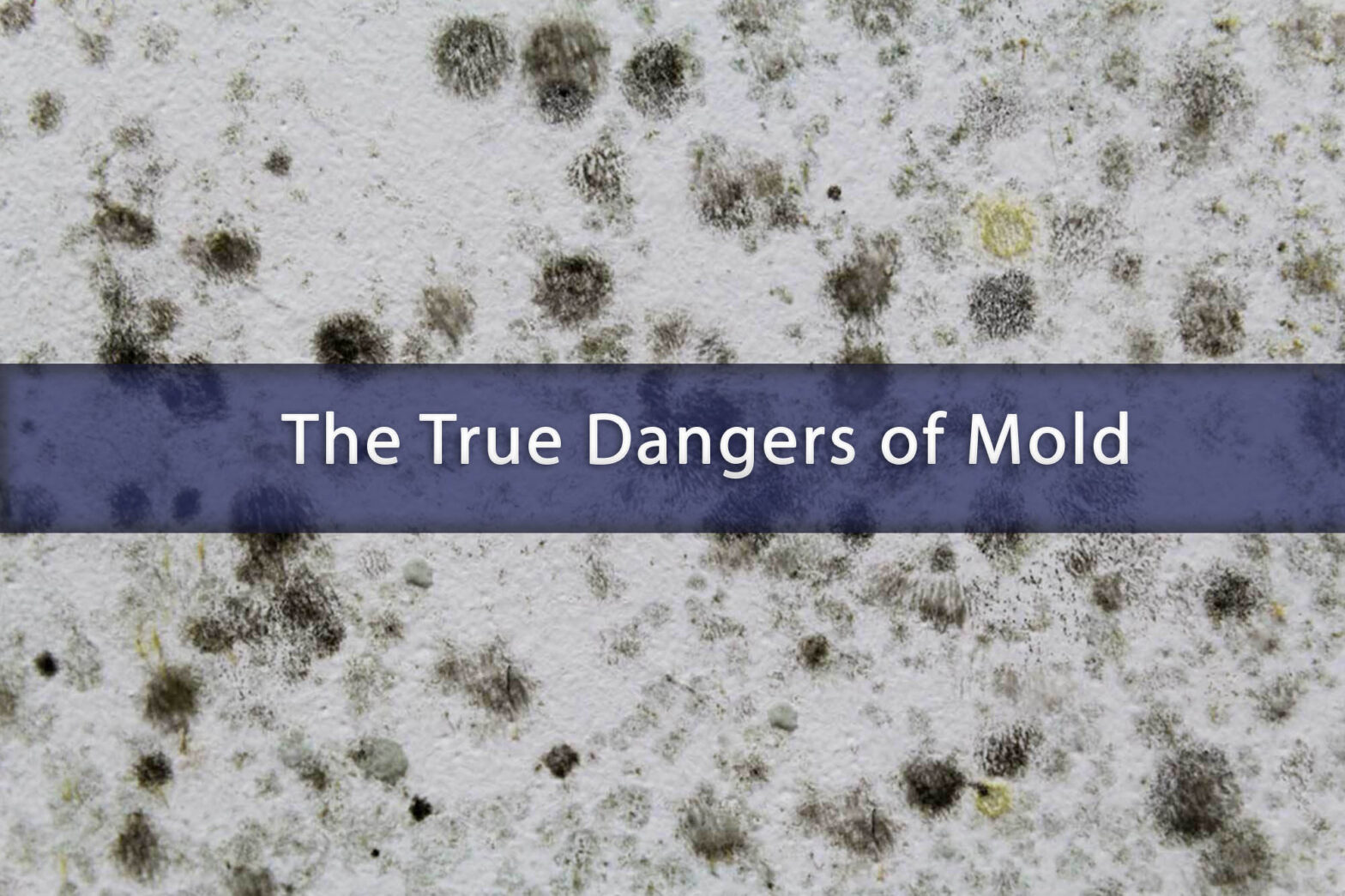
  • Eliminating Mold and Mildew

    Eliminating Mold and Mildew

    Mold in homes, offices, crawlspaces, basements, attics are extremely common and may lead to health concerns for homeowners in Victoria, Cowichan, Duncan, Nanaimo, Parksville, Qualicum, Courtenay, Comox, Campbell River, and Port Alberni.

    Even after standing water has been removed from your home, dampness will persist. Not-so-fun fact: The microorganisms that turn into mold colonies are always present in the air around us, so mold growth will start quickly in the right (i.e. damp) conditions, which poses serious health risks and can make cleanup an absolute nightmare.

    According to the CDC, mold begins to grow 24-48 hours after a flood event, so removing water and any lingering moisture as soon as possible from a water-damaged building is imperative. Once the water is gone, using dehumidifiers, exhaust fans, and portable air-conditioning units can help reduce humidity and lingering moisture. Do not use outdoor or ground-mounted central air units, which can be contaminated with silt after a flood. It’s also a good idea to open up the building to increase ventilation if it’s less humid outside.

    If mold is growing in your home, you may be able to smell it before you see it. Mold may grow in hidden areas, like under carpet, behind drywall, or under wallpaper.

    Important Safety Tip: When entering and inspecting a space where there is flood damage and mold, it is essential to wear respirator masks, rubber or insulated footwear, heavy-duty work gloves, and safety goggles. Those who suffer from respiratory issues or a weakened immune system should avoid entering the space entirely.

    If the mold problem is throughout the room, or residence, it’s a good idea to seek the help of a professional who is trained in mold cleanup. Always err on the side of caution when it comes to severe flood damage or major mold issues. Remember, moisture is mold’s best friend.

    What Can You Do?

    In most situations, Pacific Decontamination Services can neutralize your mold up 99.99999%. If our spray, fog or foam can touch it, we can neutralize it.  Our services come at a fraction of the cost as compared to the expensive approaches like soda / dry ice blasting, hepa vacuuming, scrubbing, removal of insulation and deconstruction and reconstruction of the attic and roof.


    We neutralize the mold in your attic by applying our eco-friendly, safe chemical everywhere within your attic, focusing our efforts on the visible mold areas. Depending on the job, we apply our formula by spray, mist, foam, or fog. We further kill all airborne mold spores in your attic. The average time of our on-site service is approximately one hour. An additional four hours is required to achieve maximum effectiveness. We ask that you stay out of the attic for approximately 5 hours in total. Read more about how we work.

    Pacific Decontamination Services uses the world’s strongest, most effective and safe antimicrobial disinfectant, deodorization and chemical decontaminate. Our professional application will eliminate up to 99.99999% of any allergen, germ, bacteria or fungus that it touches. AND as powerful as it is, it is also completely safe.

    What do you do next? How do you solve the challenge of mold and associated health hazards?

    Call Pacific Decontamination Services at 778-269-0208 or email us!

    Serving All of Vancouver Island: Victoria, Cowichan, Duncan, Nanaimo, Parksville, Qualicum, Courtenay, Comox, Campbell River, and Port Alberni.

  • Mold is major problem in real estate. But Mold does not have to kill a transaction.  Selling or Buying a home with Mold.

    Mold is major problem in real estate. But Mold does not have to kill a transaction. Selling or Buying a home with Mold.


    Mold is one of the big problems that home sellers and buyers in Victoria, Cowichan, Duncan, Nanaimo, Parksville, Qualicum, Courtenay, Comox, Campbell River, and Port Alberni uncover during the home inspection process.

    Here are some ways to save a deal with when mold is involved in your transaction. These are common scenarios our mold remediation company, Pacific Decontamination Services, sees regularly when working with real estate agents (buyers and sellers) on a daily basis.

    Scenario 1: A few inches of mold is found in a small area of the home and you are worried mold is everywhere.

    No need to take a wrecking ball to the entire house when a little bit of mold is found!

    Mold only grows where there is water or high relative humidity. If mold is identified around a single window where condensation is present, there is no need to start ripping out walls in other areas of the home that are dry. Focus on the area where the water and mold growth is occurring and remove the mold at its source (e.g. the drywall and wood trim around the window) and eliminating the water source (e.g. window condensation).

    Scenario 2: Mold is disclosed in the listing agreement or later identified during an inspection and you are unsure whether you need it tested.

    If you already see mold, testing may be a waste of money. 

    It does not matter what type of mold you have – once identified, all mold should be treated the same way.

    Testing can be useful in certain situations such as when someone identifies a moldy-like smell but cannot actually see mold anywhere. In this case, testing can help determine if the smell is indeed mold and the source of the presumed mold. Most of the time though the smell of mold will lead you right to a visible source of mold, making testing unnecessary.

    But if you can already see visible mold, most of the time testing is not necessary.  Instead, Pacific Decontamination Services can eliminate the mold and mold spores, allowing you to use the money allocated for testing towards remediation instead.

    Scenario 3: “Black Mold” is identified and you are concerned that the mold is toxic.

    Not all molds are toxic despite what you may hear or read.

    Mold comes in a variety of colors. The dreaded “Black Mold” you have heard about so often in the media is not a species or specific type of mold.

    Media reports of “Black Mold” often refer to molds that can produce toxins (specifically mycotoxins), such as groups of molds known as Stachybotrys. Note that mycotoxins will not always be produced when these types of mold are present. To put it another way, the presence of mold does not necessarily mean mycotoxins are present.

    Much of what we know about mycotoxins is not well understood yet and ongoing research is needed. According to the EPA though, certain types of mycotoxins produced by the molds Aspergillus flavus and Aspergillus parasiticus are shown to cause cancer. However, the EPA goes on further to say that “Aspergillus flavus and Aspergillus parasiticus are not commonly found on building materials or in indoor environments.”

    The Centers for Disease Control and Prevention also states: “There are very few reports that toxigenic molds found inside homes can cause unique or rare health conditions such as pulmonary hemorrhage or memory loss. These case reports are rare, and a causal link between the presence of the toxigenic mold and these conditions has not been proven.”

    Scenario 4: Mold is disclosed or identified and you are not sure what to do.

    Not all molds are bad!

    Mold is everywhere – in our homes, in our offices and in the fresh air we breathe outside.

    Some of the media reports on mold are over hyped and that mold is in fact a natural organism that most of the time makes life better. Mold improves our lives by breaking down dead leaves and trees, helping to make certain types of cheeses, and by being the basis of modern antibiotics like Penicillin.

    Despite these useful purposes, too much mold in a home can pose a health risk. How much is too much? Currently, there are no federal guidelines that define exactly how much mold is unhealthy. This useful fact is very important for you to understand.

    Even though no federal standards currently exist, generally speaking, you should not be able to see actual mold growth or smell it. If you can, your home probably has too much mold and can be unhealthy.

    Scenario 5: Unexpected mold is found in an attic or crawlspace during an inspection.

    In real estate transactions, the discovery of mold in an attic or crawl space by an inspector often comes as an unexpected surprise to the parties involved. But mold in attics and crawl spaces do not need to kill a transaction.

    Mold in these places needs to be remediated. In extreme cases, it can be a sign of bigger issues such as foundation problems or roof deficiencies. But a buyer who falls in love with a house should not necessarily be shocked if mold is found in an attic or crawl space by an inspector.

    These two areas of the home are ripe for mold infestation – studies that indicate as much as 60% of all crawl spaces have mold.

    But often attic and crawl space mold goes undetected by the homeowner because these are not places most of us spend much time in.

    How to Remove, Eliminate and Remediate Mold in Houses in Victoria, Duncan, Nanaimo, Parksville, Qualicum, Port Alberni, Comox, Courteney, and Campbell River

    Pacific Decontamination Services neutralize your mold by applying our eco-friendly, safe chemical into the affected area(s). Depending on the job, we apply our formula by spray and fog. We do not use a tent. The average time of our on-site service is approximately one hour. An additional four hours is required to achieve maximum effectiveness. We ask that you stay out of the premise for approximately 4 hours in total. Read more about how we work.

    Pacific Decontamination Services uses the world’s strongest, most effective and safe antimicrobial disinfectant, deodorization and chemical decontaminate. Our professional application will eliminate up to 99.9999% of any allergen, germ, bacteria or fungus that it touches. AND as powerful as it is, it is also completely safe.

    What do you do next? How do you solve the challenge of mold and associated health hazards?

    Call Pacific Decontamination Services at 778-269-0208 or email us!
    Serving All of Victoria, Duncan, Nanaimo, Parksville, Qualicum, Port Alberni, Comox, Courtenay, Campbell River, and all of Vancouver Island:

  • Home Inspection: Mold Found in Attic – Deal Breaker?

    Home Inspection: Mold Found in Attic – Deal Breaker?


    Mold is one of the big fear items that home buyers in Victoria, Cowichan, Duncan, Nanaimo, Parksville, Qualicum, Courtenay, Comox, Campbell River, and Port Alberni ask about during the home inspection process. Simply put if you see mold in a home there is a moisture issue.

    Once the source of the moisture is addressed and the mold is remediated by a qualified professional it won’t come back. It’s that simple. Mold needs moisture to grow.

    Is mold in my home a problem?

    It can be if left undressed. Again, mold in a building means you have a water problem. Dry buildings do not have mold problems. Focus on solving the water problem, then decontaminating the mold. If you do not solve the water problem you will be in an endless cycle of never ending mold.

    Is mold harmful to my health?

    The short answer is No. The long answer is it can be with prolonged exposure. However, we have very little science to prove that mold exposure in buildings can affect human health and a great deal of evidence to suggest it can’t.

    Mold in attic spaces.

    If we look at mold in our attic spaces it is not likely an indoor air quality issue. Air rises through the lower levels of the home and up through the attic. Mold spores do not travel against this air flow so most of this air will make it’s way out of an upper roof cavity or vent.

    If you were to find mold in your crawlspace it is much more likely that that air is going to contribute to the interior air we breathe in. Simply put, we breath the air that is below our home.

    Why does mold grow in my attic space?

    Think about when you take a shower. The warmer air from inside the shower will meet the cooler air from in the room and you will end up with condensation on your bathroom mirror. The same is true for your attic space. During the winter months your roof is very cold. If the warmer interior air from your home migrates into your attic space you will end up with condensation on your roof sheathing, which will lead to mold.

    Why is Mold in my attic a problem?

    Although mold in your attic does not lead to indoor air quality issues, it can lead to deterioration of your roof structure. Once again, if the moisture issue is not addresses the mold will continue to grow and spread and will come up each time the home is inspected in the future.

    There are three areas that lead to condensation in attic spaces:

    Not enough ventilation that will allow the outside air to keep the attic air the same temperature.

    Not enough insulation to keep the warmer air from the home from moving into the attic space.

    All ceiling penetration sealed to prevent further heat loss into the attic space.

    How to Remove, Eliminate and Remediate Mold in Attics in Victoria, Duncan, Nanaimo, Parksville, Qualicum, Port Alberni, Comox, Courteney, and Campbell River

    Pacific Decontamination Services neutralize your mold by applying our eco-friendly, safe chemical into your attic. Depending on the job, we apply our formula by spray and fog. We do not use a tent. The average time of our on-site service is approximately one hour. An additional four hours is required to achieve maximum effectiveness. We ask that you stay out of the premise for approximately 4 hours in total. Read more about how we work.

    Pacific Decontamination Services uses the world’s strongest, most effective and safe antimicrobial disinfectant, deodorization and chemical decontaminate. Our professional application will eliminate up to 99.9999% of any allergen, germ, bacteria or fungus that it touches. AND as powerful as it is, it is also completely safe.

    What do you do next? How do you solve the challenge of mold and associated health hazards?

    Call Pacific Decontamination Services at 778-269-0208 or email us!
    Serving All of Victoria, Duncan, Nanaimo, Parksville, Qualicum, Port Alberni, Comox, Courtenay, Campbell River, and all of Vancouver Island: