>The dangers of mold exposure in the workplace and for homeowners in Victoria, Duncan, Ladysmith, Nanaimo, Parksville, Qualicum, Port Alberni, Courtenay, Comox, Campbell River and all of Vancouver Island.
Tag: mold inspection
-

Unseen Threats: Mycotoxins from Mold
Unseen Threats: Mycotoxins from Mold – What You Need to Know and Watch if you live in Nanaimo, Duncan, Qualicum, Parksville, Courtenay, Comox, Campbell River, Port Alberni and all of Vancouver Island.
Mold, a common household nuisance, is often dismissed as a mere aesthetic inconvenience. However, lurking within its fuzzy tendrils are invisible threats – mycotoxins. These toxic compounds produced by certain molds pose significant health concerns, making it essential to understand and address the risks associated with mycotoxin exposure. In this blog, we’ll explore the health concerns of mycotoxins from mold, what you need to know, and how to protect yourself and your loved ones.
Understanding Mycotoxins
Mycotoxins are secondary metabolites produced by various species of molds. While many molds are harmless, some can produce mycotoxins that are harmful to humans and animals. Common mycotoxins include aflatoxins, ochratoxin, and trichothecenes. These toxins can contaminate a wide range of food and can also be present in the air and dust in indoor environments.
Health Concerns Associated with Mycotoxins
- Respiratory Issues: Mycotoxins can become airborne when mold spores are disturbed. Inhalation of these mycotoxin-contaminated particles can lead to respiratory problems, including coughing, sneezing, congestion, and exacerbation of asthma symptoms.
- Allergic Reactions: Exposure to mycotoxins can trigger allergic reactions, such as skin rashes, itchy eyes, and nasal congestion, particularly in individuals who are sensitive to mold allergens.
- Neurological Effects: Some studies suggest a potential link between mycotoxin exposure and neurological symptoms. Cognitive impairment, mood disorders, and even neurodevelopmental issues in children have been associated with long-term exposure.
- Gastrointestinal Problems: Consumption of mycotoxin-contaminated food can lead to gastrointestinal problems, including nausea, vomiting, diarrhea, and abdominal pain. Aflatoxins, for example, have been linked to liver damage and an increased risk of liver cancer.
- Immune System Suppression: Certain mycotoxins, like trichothecenes, can suppress the immune system, making individuals more susceptible to infections.
- Chronic Health Conditions: Prolonged exposure to mycotoxins may contribute to chronic health conditions, including autoimmune diseases and respiratory disorders.
What You Need to Watch For
- Visible Mold: The presence of visible mold is an obvious sign of potential mycotoxin exposure. If you notice mold in your home or workplace, it’s crucial to address it promptly.
- Musty Odor: Mold often emits a musty or earthy odor. If you detect this smell, even in the absence of visible mold, it’s a red flag that you may have a mold problem.
- Respiratory Symptoms: If you or your family members experience persistent respiratory symptoms like coughing, sneezing, or difficulty breathing, especially in certain indoor environments, it’s essential to investigate potential mold issues.
- Food Safety: Be cautious about the quality and storage of your food. Discard any food that shows signs of mold growth, and store food items properly to prevent mold contamination.
- Regular Inspections: Periodically inspect your home, especially areas prone to moisture, like bathrooms, basements, and kitchens. Repair any leaks or water damage promptly to prevent mold growth.
- Professional Assessment: If you suspect a mold problem, it’s advisable to seek the expertise of a professional mold inspector who can assess the situation and recommend remediation measures.
How to Protect Yourself
- Prevent Moisture: The key to mold prevention is moisture control. Fix leaks, maintain proper ventilation, and ensure your home remains dry.
- Use Dehumidifiers: Dehumidifiers can help maintain ideal indoor humidity levels, preventing mold growth.
- Ventilation: Ensure proper ventilation in areas like bathrooms and kitchens. Exhaust fans can help remove moisture and prevent mold formation.
- Clean and Maintain: Regularly clean and maintain your home to prevent dust buildup, which can contain mycotoxins from mold spores.
- Professional Remediation: If mold is found, it’s crucial to hire a professional mold remediation service to safely remove the mold and prevent its recurrence.
What Can You Do?
In most situations, Pacific Decontamination Services can neutralize your mold up 99.99999%. If our spray, fog or foam can touch it, we can neutralize it. Our services come at a fraction of the cost as compared to the expensive approaches like soda / dry ice blasting, hepa vacuuming, scrubbing, removal of insulation and deconstruction and reconstruction of the attic and roof.
We neutralize the mold in your attic, crawl space, home, building, vehicle, or property by applying our eco-friendly, safe chemical on all surfaces and airborne, focusing our efforts on the visible mold areas. Depending on the job, we apply our formula by spray, mist, foam, or fog. We further kill all airborne mold spores in your attic. The average time of our on-site service is approximately one hour. An additional four hours is required to achieve maximum effectiveness. We ask that you stay out of the attic for approximately 5 hours in total. Read more about how we work.Pacific Decontamination Services uses the world’s strongest, most effective and safe antimicrobial disinfectant, deodorization and chemical decontaminate. Our professional application will eliminate up to 99.99999% of any allergen, germ, bacteria or fungus that it touches. AND as powerful as it is, it is also completely safe.
What do you do next? How do you solve the challenge of mold and associated health hazards?
Call Pacific Decontamination Services at 778-269-0208 or email us at our email address: contact @ pacificdecon dot com
Serving All of Vancouver Island: Victoria, Cowichan, Duncan, Nanaimo, Parksville, Qualicum, Courtenay, Comox, Campbell River, and Port Alberni.
-

Mold Related Illnesses
Many bacteria, fungi, diseases, mold-related illnesses and infections begin in homes, offices, crawlspaces, basements, and attics that may lead to possibly serious health issues for homeowners in Victoria, Cowichan, Duncan, Nanaimo, Parksville, Qualicum, Courtenay, Comox, Campbell River, and Port Alberni.
Pathogenic microbes such as virus, fungi and pathogenic bacteria are the main cause of airborne or direct contact diseases affecting animals and humans. Studies show the application of disinfectants and biocides via aerosol or fogging significantly reduce the number of viable infectious pathogens. Foggers produce micro droplets that float in the air for around 10 minutes after application, reaching the most inaccessible parts where conventional cleaning or spraying can’t reach.
Pathogenic BacteriaEcoli Pathogenic bacteria contribute to many illnesses and infections, whether food borne, water borne or air borne. These include diseases such as E-coli, MRSA, C. difficile, Campylobacter, Legionella and Salmonella. Unhygienic food preparation, water storage and air conditioning systems can harvest as well as spread these diseases. Bacteria such as MRSA and C. difficile are especially troublesome in hospitals, prisons and nursing homes, where patients with open wounds, and weakened immune systems are at greater risk of infection.
Virus
Influenza Viral infections make up around one third of cases of food poisoning in developed countries. Examples of these viruses include the Norovirus and Rotovirus. Other common viral infections include cold viruses and Seasonal influenza (the flu). An increasing concern due to a growing global population are animal or bird to human transmissions such as H1N1 (swine flu), and H5N1 strain of bird flu. Disinfection of surfaces using a fogger is essential to stop the spread of these infections.
Fungi
Many fungi are parasites on plants, animals (including humans). Some fungi can cause serious diseases in humans, several of which may be fatal if untreated. In the Nanaimo, Parksville and Qualicum areas, this includes Aspergillosis, coccidioidomycosis and mycetomas. Molds are a common component of household and workplace dust. However, when mold spores are present in large quantities, they can present a health hazard to humans, potentially causing allergic reactions and respiratory problems. Some molds can also produce mycotoxins which can pose a serious health risk to humans.
Mold in the Home
Mold in the home, including Courtenay, Comox and Campbell River, usually can be found in damp, dark or steamy areas e.g. bathroom or kitchen, cluttered storage areas, recently flooded areas, basement areas, plumbing spaces, areas with poor ventilation and outdoors in humid environments. Fogging is used to apply fungicides to target mold in places such as bathroom or kitchen ceilings, behind boilers, recently flooded areas, basements and areas with poor ventilation.
What Can You Do?
In most situations, Pacific Decontamination Services can neutralize your mold up 99.99999%. If our spray, fog or foam can touch it, we can neutralize it. Our services come at a fraction of the cost as compared to the expensive approaches like soda / dry ice blasting, hepa vacuuming, scrubbing, removal of insulation and deconstruction and reconstruction of the attic and roof.
We neutralize the mold in your attic, crawl space, home, building, vehicle, or property by applying our eco-friendly, safe chemical on all surfaces and airborne, focusing our efforts on the visible mold areas. Depending on the job, we apply our formula by spray, mist, foam, or fog. We further kill all airborne mold spores in your attic. The average time of our on-site service is approximately one hour. An additional four hours is required to achieve maximum effectiveness. We ask that you stay out of the attic for approximately 5 hours in total. Read more about how we work.Pacific Decontamination Services uses the world’s strongest, most effective and safe antimicrobial disinfectant, deodorization and chemical decontaminate. Our professional application will eliminate up to 99.99999% of any allergen, germ, bacteria or fungus that it touches. AND as powerful as it is, it is also completely safe.
What do you do next? How do you solve the challenge of mold and associated health hazards?
Call Pacific Decontamination Services at 778-269-0208 or email us at our email address: contact @ pacificdecon dot com
Serving All of Vancouver Island: Victoria, Cowichan, Duncan, Nanaimo, Parksville, Qualicum, Courtenay, Comox, Campbell River, and Port Alberni.
-
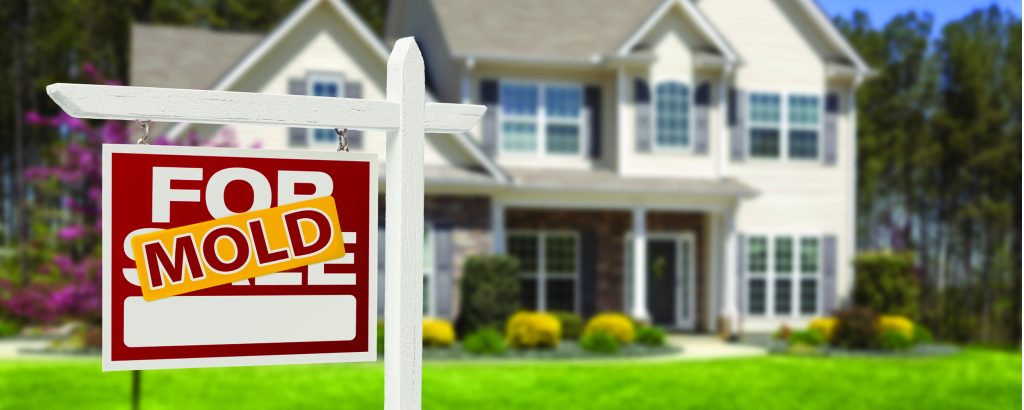
How to Kill a Real Estate Transaction with Mold
Mold in the attic will likely kill a real estate transaction in Nanaimo, Parksville, Qualicum, Comox, Courtenay, and Duncan and scare away potential buyers if it’s not decontaminated.
If you ignore a mold problem in your attic, do not expect the next buyer of your house to do the same when it will inevitably be discovered during the home inspection. Home sellers take a significant risk of buyers walking away if mold is discovered.
It’s better to be proactive and fix it before you are ready to sell. Then the mold could possibly be discovered during a home inspection which can lead a buyer to decide to walk. If the buyer decides not to walk, they will almost certainly want it fixed before closing (or receive a big credit at closing/price reduction), and it’s possible that the bank will require that the attic mold is remediated before giving a loan to the buyer.
Signs of attic mold
Many homeowners in Nanaimo, Qualicum and Parksville first learn about their problems before selling their home. The buyer’s home inspector notices the mold in the attic right before the closing date, which causes both buyer and seller to panic, often putting the whole deal in jeopardy.
Here are the main signs of attic mold:
Dark stains on plywood (roof sheathing)
Mildew smell in your attic
Hot and stuffy attic air
Frost buildup or roof sheathing
Water dripping from smoke detectors and ceiling fans
Dark stains on attic plywood
If the plywood in your attic shows any black discoloration, the problem has moved beyond moisture. If your attic plywood is stained, you have mold.
Mildew smell in your attic
Trust your nose. A musty or moldy smell in the attic means a moisture problem somewhere. If you suspect that you smell mildew anywhere in your home, especially in your attic, you may have a mold problem and should check it out right away.
Wet insulation
Not only is this a sign that you may (or soon will) have a mold problem, but when insulation gets damp or wet its ability to insulate becomes significantly diminished, costing you extra money to heat/cool your home.
Hot and stuffy attic
Attics should feel breezy if they are adequately ventilated. When an attic is stuffy, that indicates you have a ventilation problem, which often results in mold problems.
Frost buildup of roof sheathing
When it’s cold enough outside, water vapor in an attic with improper ventilation can freeze on the underside of your roof. This makes it especially easy to spot.
Water dripping from smoke detectors, light fixtures or bath fans
This is a sure sign that the floor (or attic) above you has a level of moisture that needs to be addressed.
Main causes of attic mold
Ventilation issues in your home. Mold that is caused by improper bathroom or kitchen fan exhaust.
Roof issues and roof leaks are another main cause.
Ventilation issues – The most common cause of attic mold, by far, is blocked or insufficient ventilation of the attic space.
Attics usually have a passive ventilation system in which outside air comes in through the soffit/eave vents at the bottom, warms up in the attic, and escapes through the can or ridge vents at the top (because hot air rises). That cycle creates an excellent, breezy airflow and a well-ventilated attic.
Common ventilation issues in attic
Blocked soffit or eave vents.
Often soffit/eave vents are blocked with insulation, destroying the passive ventilation system. When that system is destroyed, warm and humid air in the attic will stagnate and often condense along the cold wood sheathing in the winter, causing wet wood and subsequent mold growth throughout much of the attic.
Not enough vents
We also see mold growth in attics if not enough vents are installed. In general, 1 square foot of venting is needed for every 100 square feet of attic space.
Air can be depressurized and pulled down from the attic into the livable space.
This means it is possible for moldy attic air to enter livable spaces from the attic and affect the health of the occupants. At some point, you will probably need to go to your attic for something. Perhaps you use it for storage. Maybe it’s infrequent, but you’re exposing yourself and others (if the attic is open) to moldy air if you enter an attic with a mold problem.
An improper bathroom or kitchen fan exhaust
Dryer exhaust vents, kitchen exhaust fans and bathroom exhaust fans are designed to pump moisture OUT of your home. So make sure they terminate outside your home.
Also plumbing stacks in the attic can be a source of condensation, leading to attic mold growth. Plumbing stacks can also emit hazardous gasses, so ensure they do not terminate inside the attic.
Roof issues that cause mold in your attic
Roof leaks will often lead to a small, localized area of attic mold near where the leak occurs.
Here are a few ways to check for possible roof leaks:
Check for areas of dark discoloration/staining of wood (e.g. rafters, sheathing, joists, attic side of fascia boards, etc.).
Check roof valleys (i.e. where two roofs join at an angle), which are highly susceptible to roof leaks.
Observe vents, plumbing stacks, chimneys, attic windows and any portion of the attic/roof where dissimilar materials join each other (including flashings). These places are hotbeds for potential moisture intrusion.
Wait before replacing your roof
You rarely need to replace a roof because of attic mold. You may need to replace the roof for other reasons –like the roof is in deplorable condition due to age and wear and tear (which lead to mold growth).
Removing mold from your attic
Attics are probably the most dangerous area of your home. They are extremely dangerous even for experienced mold technicians with countless attic mold decontamination jobs. One wrong step and you could fall through the floor joists and cause yourself serious injury. If you think you have mold in other areas of your home, contact Pacific Decontamination Services.
We neutralize your mold by applying our eco-friendly, safe chemical into your attic, crawlspace, or basement. We apply our formula by spray, mist, foam, or fog depending on the job. We do not use a tent. The average time of our on-site service is approximately one hour. An additional four hours is required to achieve maximum effectiveness. We ask that you stay out of the premise for approximately 5 hours in total. Read more about how we work.
Pacific Decontamination Services uses the world’s most powerful, most effective and safe antimicrobial disinfectant, deodorization and chemical decontaminate. Our professional application will eliminate up to 99.99999% of any allergen, germ, bacteria or fungus that it touches. AND as powerful as it is, it is also completely safe.
We provide you with a certificate of decontamination, and this has been accepted in hundreds of real estate transactions as proof that the mold has been neutralized.
What do you do next? How do you solve the challenge of mold in your attic.
There are two main areas we have found again and again that allow a real estate transaction to complete. One is determining the cause of the mold; the other is decontaminating the existing mold and providing a certificate of decontamination.
Call Pacific Decontamination Services at 778-269-0208 or email us!
Serving all of Vancouver Island: Victoria, Cowichan, Duncan, Nanaimo, Parksville, Qualicum, Courtenay, Comox, Campbell River, and Port Alberni.Summary: Attic Mold is Common, but it Doesn’t Have to Cost You Thousands
-

10 Most Commonly Asked Questions about Mold in Nanaimo, Parksville and Qualicum
What is Mold?
Mold and fungi are terms generally used to describe a distinct group of organisms that are fuzzy or powdery in appearance.
The fungus was once considered a part of the plant kingdom; they are now regarded as a distinct kingdom of organisms. Fungi tend to absorb nutrients from dead or living organic matter to grow and survive.
At least 100,000 living species of fungus have been identified, some of which are beneficial to mankind.
Mycologists (scientists specializing in botany that deals with fungi) have estimated that another 200,000 fungi may probably exist that have not yet been identified.
How Can We Be Exposed to Mold?
Exposure to molds is possible in several ways. First is by skin contact with molds. People with high allergic reactions to molds may https://wordpress.pacificdecon.com/2021/10/24/13348/develop rashes where the mold has made contact with the skin.
Inhalation of spores from mold may cause allergic reactions or asthma as it passes through the nose and the lungs.
Mold exposure can also occur when someone accidentally ingests food or materials contaminated with molds.
How Does Mold Affect Our Health?
Molds are probably the leading cause of airborne allergies. Within the mold spores are mycotoxins that can cause health issues.
Some of the most common symptoms of those sensitive to molds include nasal stuffiness, eye irritation, wheezing, cold and flu-like symptoms, rashes, conjunctivitis, inability to concentrate, and fatigue.
Exposure to molds has also been associated with the onset of asthma (especially with children).
How Do I Deal with Molds in My Home?
The most common way of treatment is to have Pacific Decontamination Services decontaminate the entire living area, with a primary focus on areas where fungi are present.
How Do I Decrease Indoor Molds?
Ideally, you not only want to avoid molds indoors but prevent them from ever growing (or back again after decontamination).
By knowing the factors of how molds thrive, you can quickly decrease or even prevent mold from even growing in your home.
So the best way to prevent mold growth in your home after decontamination is humidity, and liquid water must be eliminated vigilantly through a dehumidifier and appropriate cleanup.
How Do I Locate Molds in My Home?
There are signs to watch for if you want to discover mold growth in your house. Sometimes you can see and smell mold cells that are growing on surfaces. This is especially true when the humidity within your premises is higher than 60%.
Its is possible that there is mold growth wherever there are water stains, standing water, or moist surfaces. Walls, ceilings, carpets, windowsills, drain pans, ductwork, vents, bathrooms, and wallboard should all be thoroughly inspected.
Look for possible stains and streaks on walls, ceilings, and floors. You should also look for bubbles in paint, plaster, and loose wallpaper.
How to Get Rid of Mold
This is where Pacific Decontamination Services can help. Call Pacific Decontamination Services at 778-269-0208 or email us!
Serving All of Vancouver Island: Victoria, Cowichan, Duncan, Nanaimo, Parksville, Qualicum, Courtenay, Comox, Campbell River, and Port Alberni.What does Mold need to Thrive?
First and foremost, like all living things, molds need food to survive. The fact that molds can feed on almost any organic material makes their food easy to find.
Next, molds depend on their fungal spores to multiply. Another factor for molds to thrive and multiply is liquid water.
This is why it is strongly advised to fix water leaks immediately.
And the last factor needed for molds to thrive is warm temperature and excessive humidity. Molds typically thrive at temperatures as low as 50 degrees Fahrenheit ( 10 C) up to 70 degrees Fahrenheit (20 C).
Where does Mold Grow?
Mold can grow anywhere, indoors or outdoors, as long as there is enough surface moisture to keep them alive.
Fungi can be found in every type of climate and social and economic condition. They live where moisture, oxygen, and other chemicals that they need are present. They can be found on the surfaces of objects, within pores, and inside deteriorated materials.
Nanaimo, Parksville, Qualicum, Courtenay, Comox, Campbell River, Ladysmith and Duncan are locations where mold is commonly found in crawl spaces, basements, attics and living spaces.
We neutralize your mold by applying our eco-friendly, safe chemical into your attic, crawlspace, or basement. Depending on the job, we apply our formula by spray, mist, foam, or fog. We do not use a tent. The average time of our on-site service is approximately one hour. An additional four hours is required to achieve maximum effectiveness. We ask that you stay out of the premise for approximately 5 hours in total. Read more about how we work.
Pacific Decontamination Services uses the world’s strongest, most effective and safe antimicrobial disinfectant, deodorization and chemical decontaminate. Our professional application will eliminate up to 99.99999% of any allergen, germ, bacteria or fungus that it touches. AND as powerful as it is, it is also completely safe.
What do you do next? How do you solve the challenge of mold and associated health hazards?
Call Pacific Decontamination Services at 778-269-0208 or email us!
Serving All of Vancouver Island: Victoria, Cowichan, Duncan, Nanaimo, Parksville, Qualicum, Courtenay, Comox, Campbell River, and Port Alberni. -
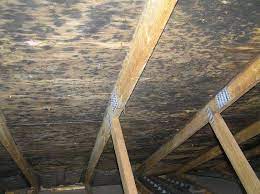
Home Inspection Finds Mold In Attic Nanaimo
What To Do When a Home Inspection During a Real Estate Transaction Finds Mold in the Attic
Whether you’re buying or selling a home in Victoria, Cowichan, Duncan, Nanaimo, Parksville, Qualicum, Port Alberni, Courtenay, Comox, or Campbell river, mold is a fact of life. Mold spores are floating in the air all around us. They don’t “grow” until they can attach themselves to a moist surface. Attic mold tends to go undetected because the attic’s not a place a homeowner spends much time hanging around in – so when attic mold turns up on a home inspection, it’s often a surprise to both buyer and seller.
If you find mold in the attic, first, relax. Mold in these areas isn’t a significant factor in indoor air quality, and truthfully, most molds are relatively harmless to humans. Visible mold is ready to be remedied and doesn’t require costly testing. What you don’t want to do is leave mold untreated, because the materials the mold has attached to can cause issues with timber and framing integrity. In the attic, mold can degrade drywall, spread to the ceiling below, and even cause problems with your roof’s life expectancy. Facts About Mold Click Here
CAUSES OF ATTIC MOLD
Attic mold occurs in the attic primarily due to the accumulation of moisture from condensation in the gap your attic fills between your warm house and the cold air outside your roof. Improper ventilation in the attic is actually worse in newer homes.
Mold can also grow in the attic when a home has been built during Vancouver Island’s wet months. If interior wood framing and plywood had not been sufficiently dried before adding drywall and roofing material, moisture could be trapped inside.
Other factors that can contribute to attic mold are improperly vented combustion appliances like the stove or dryer; improperly venting kitchen or bathroom fans; improperly installed rain gutters; or a leaking roof.
ERADICATING MOLD IN THE ATTIC
It is just as important to fix the moisture problem as it is killing the mold.
If you don’t correct the cause of the moisture-inducing environment mold will return. For attics, the key to correcting the cause is to consider hiring a professional to design and install the proper attic ventilation plan. Continually moving the air through the attic will keep condensation – and mold growth – at bay. Ensure enclosed attics, and enclosed rafter spaces have cross-ventilation for each separate area. Outside air enters into the attic space from intake vents, soffits, eave vents, roof-top edge venting or gable end-vents, passing through the attic displacing warm, moisture-laden air, which exits the attic via exhaust vents at or near the peak of the roof. Other site-specific fixes include repairing a leaking roof or fixing improperly vented appliances and exhaust fans.
PACIFIC DECONTAMINATION SERVICES WILL NEUTRUALIZE YOUR MOLD, SPORES AND MYCOTOXINS IN YOUR ATTIC.
We issue a CERTIFICATE OF DECONTAMINATIONPacific Decontamination Services can neutralize your mold up 99.99999%. If our spray, fog or foam can touch it, we can neutralize it. Our services come at a fraction of the cost as compared to the expensive approaches like soda / dry ice blasting, hepa vacuuming, scrubbing, removal of insulation and deconstruction and reconstruction of the attic and roof.
We then issue a Certificate of Decontamination that seller can provide to the prosective buyer.
Pacific Decontamination Services uses the world’s strongest, most effective and safe antimicrobial disinfectant, deodorization and chemical decontaminate. Our professional application will eliminate up to 99.99999% of any allergen, germ, bacteria or fungus that it touches. AND as powerful as it is, it is also completely safe.
What do you do next? How do you solve the challenge of mold and associated health hazards?
Call Pacific Decontamination Services at 778-269-0208 or email us at our email address: contact @ pacificdecon dot com
Serving All of Vancouver Island: Victoria, Cowichan, Duncan, Nanaimo, Parksville, Qualicum, Courtenay, Comox, Campbell River, and Port Alberni.
-

Bleach Does Not Break the Mold Lifecycle
Bleach does not break the mold lifecycle. Wiping down mold with bleach does not solve the problem in homes, offices, crawlspaces, basements, attics, vehicles for homeowners in Victoria, Cowichan, Duncan, Nanaimo, Parksville, Qualicum, Courtenay, Comox, Campbell River, and Port Alberni,Does Bleach Kill Mold?
There is a lot of misinformation about bleach and mold.A quick internet search pulls up all kinds of conflicting information about bleach and mold. Some articles state emphatically that bleach kills mold while others caution against using bleach to remove mold.
The United States of America OSHA (Occupational Safety and Health Administration) was one of the first federal agencies to STOP recommending the use of liquid bleach for mold remediation.
What is Bleach?
Bleach is the generic term that describes a variety of chemicals used to whiten clothes, lighten hair colors, and remove stains. Additionally, most types of bleach will disinfect and sterilize germs and bacteria. While there are several types of bleach, chlorine bleach is a common household bleach.
Does Bleach Kill Mold?
Yes. But… germs and bacteria, like salmonella and influenza, require a host to thrive. While they will live for a period of time outside the body, they will eventually die without a host. This makes cleaning with bleach an effective way to kill germs and bacteria because they don’t have the means to reproduce outside of a host.
Mold is much more complicated than that. Hence why it causes far greater destruction than a virus.
Mold is a naturally occurring airborne fungus that aids in the decomposition of organic materials. If you have mold growing in your home, you also have mold spores in the air. Instead of an animal or human host, mold lives on organic material and moisture.
Since mold spores can “soak into” a surface, mold can outrun bleach. A virus or bacteria can’t do that because they live on surfaces. So if you catch a mold spore at the right moment, bleach may be able to remove it but it could also cause some other issues along the way. Read more about mold, mold spores and health concerns here.
Reasons Why You May Not Want to Use Bleach to Kill Mold
1. Bleach Does What It Does Best – It Bleaches
2. Bleach Can Only Reach Surface Mold
In case you didn’t know, mold is not just on the surface of something. It roots and it often roots deeply. This is a survival mechanism. Mold doesn’t want to be removed. As such, you can’t kill any mold with a product that only reaches the surfaces.
Bleach only reaches the mold on the surface without affecting the membrane underneath. You need to kill and remove this underlying membrane to effectively remove the mold growth and prevent it from returning. Bleach cleaners cannot kill this membrane because its chemical structure prevents it from penetrating porous surfaces. This causes the mold membranes to move deeper into the affected surface to hide from the bleach.
3. Bleach Causes More Mold Growth
Bleach has been proven to actually cause additional mold growth.
When bleach is introduced to mold colonies, the mold recognizes the bleach as a threat and reacts. This means that it begins to reproduce at a rapid rate. It roots deeper and grows stronger.
Bleach also contains 90% water and mold loves moisture obviously. When bleach is applied, the chlorine quickly evaporates after use leaving behind a ton of water. This water often soaks into the surface allowing the mold to grow more in this moist environment. So in effect, using bleach actually feeds the internal mold spores!
4. Chlorine Bleach Loses Its Effectiveness Over Time
Chlorine bleach rapidly loses its effectiveness. When exposed to air, chlorine evaporates. This means that you might have a bottle of bleach that is basically useless. Basically, you would be pouring water on mold spores which as we just discussed is not a good solution.
5. Using Bleach To Kill Mold Is Toxic
Chlorine bleach produces fumes that pollute the air and can become harmful to both humans and pets. Chlorine bleach also generates a by-product called dioxin, which is linked to cancer. Used over time, bleach builds up these pollutants in the environment. If you are battling mold the last thing you need to introduce are more toxins.
Another disadvantage of bleach is that it can damage the materials it’s used on as it is a harsh, corrosive chemical.
A simple study was conducted by the University of Oregon State. One of the purposes of the study was to examine if bleach can prevent or remove mold growth from Douglas-fir Lumber. The study found that “While bleach is often recommended for remediation of surface mold on wood, our results illustrate that the treatment does not eliminate the surface microflora. As a result, an important component of remediation must be drying to moisture levels below 20 percent (the generally accepted level for inhibiting growth of fungi on wood) (Zabel and Morrell 1992). In the absence of drying, some fungi clearly survive the treatment and may re-colonize the surface”
Some Facts About Bleach and Mold
United States of America EPA and OSHA have specifically advised against the use of bleach for mold remediation.
Bleach will only remove the stain from mold. The surface will appear clean but internal roots will continue to grow.
Using bleach to kill mold will encourage toxic mold to grow faster and stronger.
Bleach itself is considered a toxic chemical and is classified the same as gasoline. In its gaseous form (room temperature) chlorine releases Dioxins, a known cancer causing compound.
Your bleach may have already lost its effectiveness rendering it as useless as water to remove mold.
If Not Bleach, What Do You Do?The best treatment to break the mold life cycle is treatment by Pacific Decontamination Services to keep mold spores from repopulating.
What We Do – We Also Neutralize All Airborne, Surface and Root Mold Spores!
In most situations, Pacific Decontamination Services can neutralize your mold up 99.99999%. If our spray, fog or foam can touch it, we can neutralize it. Our services come at a fraction of the cost as compared to the expensive approaches like soda / dry ice blasting, hepa vacuuming, scrubbing, removal of insulation and deconstruction and reconstruction of the attic and roof.
We neutralize the mold in your attic, crawl space, home, building, vehicle, or property by applying our eco-friendly, safe chemical on all surfaces, roots and airborne, focusing our efforts on the visible mold areas. Depending on the job, we apply our formula by spray, mist, foam, or fog. We further kill all airborne mold spores. The average time of our on-site service is approximately one hour. An additional four hours is required to achieve maximum effectiveness. We ask that you stay out of the attic for approximately 5 hours in total. Read more about how we work.
Pacific Decontamination Services uses the world’s strongest, most effective and safe antimicrobial disinfectant, deodorization and chemical decontaminate. Our professional application will eliminate up to 99.99999% of any allergen, germ, bacteria or fungus that it touches. AND as powerful as it is, it is also completely safe.
What do you do next? How do you solve the challenge of mold and associated health hazards?
Call Pacific Decontamination Services at 778-269-0208 or email us at our email address: contact @ pacificdecon dot com
Serving All of Vancouver Island: Victoria, Cowichan, Duncan, Nanaimo, Parksville, Qualicum, Courtenay, Comox, Campbell River, and Port Alberni.
-
Facts About Mold
Mold and mold spores in homes, offices, crawlspaces, basements, attics may lead to health issues for homeowners in Victoria, Cowichan, Duncan, Nanaimo, Parksville, Qualicum, Courtenay, Comox, Campbell River, and Port Alberni.
Here are some common myths about mold.
Mold growing in your house is a sign of poor cleaning – true or false?
This is False. Mold growth in your house is a sign of a moisture problem. Mold spores naturally exist pretty much everywhere, both outside and inside. In your house they just need the right temperature and moisture level to grow into a mold colony. Moisture problems and mold growth are regularly caused by excessive humidity, lack of ventilation, water leaks, or flooding.
Black mold is very dangerous – true or false?
This is mostly False. When we talk about the dangers of “black mold”, we are usually referring to a type of mold known as Stachybotrys chartarum. This type of toxic mold, along with specific other molds, can produce mycotoxins in certain circumstances. Some people are more sensitive to these mycotoxins or have underlying conditions like asthma or lung disease that make them more prone to being affected by the mycotoxins. Mold toxins can lead to health issues like cold-like symptoms, allergic reactions or respiratory problems in people and animals. Reports of extreme health affects from black mold are extremely rare.
The best way to kill mold is with bleach or vinegar – true or false?
This is False. Bleach, vinegar and other chemicals can kill some types of mold on hard non-porous surfaces (like bathroom tiles), but are not recommended because of their overall ineffectiveness on both non-porous and porous surfaces and their impact on air quality. The best way to get rid of mold is to concentrate on mold removal rather than killing it. Health Canada recommends using soap and water on hard non-porous surfaces and to remove all porous surfaces (such as fabrics, materials, insulation, drywall, etc) that have mold on them.
Painting over mold will not kill the mold or prevent it from spreading – true or false?
This is True. Paint does not kill mold, nor prevent it from spreading. The first step in stopping mold from growing and spreading is to find and remove the moisture problem. Once this is done, you can try to paint over the mold to hide the staining, but often the mold will keep showing through. To get rid of the mold it’s best to remove and replace the affected drywall.
All you need to protect yourself is rubber gloves – true or false?
This is false. Non-professionals doing mold remediation need to take the same precautions taken by qualified professionals. This includes wearing personal protective equipment (eg. safety glasses or goggles, N95 mask, disposable rubber gloves), containing (or neutralizing) the mold and mold spores from the people in the building, having increased ventilation, doing proper disposal of all moldy materials (sealed in plastic bags and removed from the space in a timely manner), etc. Care also must be taken to not create any additional hazards, eg. electrical shocks, falls from ladders, etc.
Once the mold and mold spores have been neutralized, it’s gone for good – true or false?
This is false. You must be diligent in preventing the mold problem from reoccuring. Prevention is key. If the right conditions arise, mold can come back. It is key to identify and reduce the underlying moisture or humidity issues. This means finding and rectifying all water leaks, water seepage, improper ventilation, and excessive humidity.
What Can You Do?
In most situations, Pacific Decontamination Services can neutralize your mold up 99.99999%. If our spray, fog or foam can touch it, we can neutralize it. Our services come at a fraction of the cost as compared to the expensive approaches like soda / dry ice blasting, hepa vacuuming, scrubbing, removal of insulation and deconstruction and reconstruction of the attic and roof.
We neutralize the mold in your attic, crawl space, home, building, vehicle, or property by applying our eco-friendly, safe chemical on all surfaces and airborne, focusing our efforts on the visible mold areas. Depending on the job, we apply our formula by spray, mist, foam, or fog. We further kill all airborne mold spores in your attic. The average time of our on-site service is approximately one hour. An additional four hours is required to achieve maximum effectiveness. We ask that you stay out of the attic for approximately 5 hours in total. Read more about how we work.Pacific Decontamination Services uses the world’s strongest, most effective and safe antimicrobial disinfectant, deodorization and chemical decontaminate. Our professional application will eliminate up to 99.99999% of any allergen, germ, bacteria or fungus that it touches. AND as powerful as it is, it is also completely safe.
What do you do next? How do you solve the challenge of mold and associated health hazards?
Call Pacific Decontamination Services at 778-269-0208 or email us at our email address: contact @ pacificdecon dot com
Serving All of Vancouver Island: Victoria, Cowichan, Duncan, Nanaimo, Parksville, Qualicum, Courtenay, Comox, Campbell River, and Port Alberni.
Black mold is very dangerous – true or false?
This is mostly False. When we talk about the dangers of “black mold”, we are usually referring to a type of mold known as Stachybotrys chartarum. This type of toxic mold, along with specific other molds, can produce mycotoxins in certain circumstances. Some people are more sensitive to these mycotoxins or have underlying conditions like asthma or lung disease that make them more prone to being affected by the mycotoxins. Mold toxins can lead to health issues like cold-like symptoms, allergic reactions or respiratory problems in people and animals. Reports of extreme health affects from black mold are extremely rare.
The best way to kill mold is with bleach or vinegar – true or false?
This is False. Bleach, vinegar and other chemicals can kill some types of mold on hard non-porous surfaces (like bathroom tiles), but are not recommended because of their overall ineffectiveness on both non-porous and porous surfaces and their impact on air quality. The best way to get rid of mold is to concentrate on mold removal rather than killing it. Health Canada recommends using soap and water on hard non-porous surfaces and to remove all porous surfaces (such as fabrics, materials, insulation, drywall, etc) that have mold on them.
Painting over mold will not kill the mold or prevent it from spreading – true or false?
This is True. Paint does not kill mold, nor prevent it from spreading. The first step in stopping mold from growing and spreading is to find and remove the moisture problem. Once this is done, you can try to paint over the mold to hide the staining, but often the mold will keep showing through. To get rid of the mold it’s best to remove and replace the affected drywall.
All you need to protect yourself is rubber gloves – true or false?
This is false. Non-professionals doing mold remediation need to take the same precautions taken by qualified professionals. This includes wearing personal protective equipment (eg. safety glasses or goggles, N95 mask, disposable rubber gloves), containing (or neutralizing) the mold and mold spores from the people in the building, having increased ventilation, doing proper disposal of all moldy materials (sealed in plastic bags and removed from the space in a timely manner), etc. Care also must be taken to not create any additional hazards, eg. electrical shocks, falls from ladders, etc.
Once the mold and mold spores have been neutralized, it’s gone for good – true or false?
This is false. You must be diligent in preventing the mold problem from reoccuring. Prevention is key. If the right conditions arise, mold can come back. It is key to identify and reduce the underlying moisture or humidity issues. This means finding and rectifying all water leaks, water seepage, improper ventilation, and excessive humidity.
What Can You Do?
In most situations, Pacific Decontamination Services can neutralize your mold up 99.99999%. If our spray, fog or foam can touch it, we can neutralize it. Our services come at a fraction of the cost as compared to the expensive approaches like soda / dry ice blasting, hepa vacuuming, scrubbing, removal of insulation and deconstruction and reconstruction of the attic and roof.
Pacific Decontamination Services uses the world’s strongest, most effective and safe antimicrobial disinfectant, deodorization and chemical decontaminate. Our professional application will eliminate up to 99.99999% of any allergen, germ, bacteria or fungus that it touches. AND as powerful as it is, it is also completely safe.
What do you do next? How do you solve the challenge of mold and associated health hazards?
Call Pacific Decontamination Services at 778-269-0208 or email us at our email address: contact @ pacificdecon dot com
Serving All of Vancouver Island: Victoria, Cowichan, Duncan, Nanaimo, Parksville, Qualicum, Courtenay, Comox, Campbell River, and Port Alberni.
-
Eliminating Mold and Mildew
Mold in homes, offices, crawlspaces, basements, attics are extremely common and may lead to health concerns for homeowners in Victoria, Cowichan, Duncan, Nanaimo, Parksville, Qualicum, Courtenay, Comox, Campbell River, and Port Alberni.
Even after standing water has been removed from your home, dampness will persist. Not-so-fun fact: The microorganisms that turn into mold colonies are always present in the air around us, so mold growth will start quickly in the right (i.e. damp) conditions, which poses serious health risks and can make cleanup an absolute nightmare.
According to the CDC, mold begins to grow 24-48 hours after a flood event, so removing water and any lingering moisture as soon as possible from a water-damaged building is imperative. Once the water is gone, using dehumidifiers, exhaust fans, and portable air-conditioning units can help reduce humidity and lingering moisture. Do not use outdoor or ground-mounted central air units, which can be contaminated with silt after a flood. It’s also a good idea to open up the building to increase ventilation if it’s less humid outside.If mold is growing in your home, you may be able to smell it before you see it. Mold may grow in hidden areas, like under carpet, behind drywall, or under wallpaper.
Important Safety Tip: When entering and inspecting a space where there is flood damage and mold, it is essential to wear respirator masks, rubber or insulated footwear, heavy-duty work gloves, and safety goggles. Those who suffer from respiratory issues or a weakened immune system should avoid entering the space entirely.
If the mold problem is throughout the room, or residence, it’s a good idea to seek the help of a professional who is trained in mold cleanup. Always err on the side of caution when it comes to severe flood damage or major mold issues. Remember, moisture is mold’s best friend.
What Can You Do?
In most situations, Pacific Decontamination Services can neutralize your mold up 99.99999%. If our spray, fog or foam can touch it, we can neutralize it. Our services come at a fraction of the cost as compared to the expensive approaches like soda / dry ice blasting, hepa vacuuming, scrubbing, removal of insulation and deconstruction and reconstruction of the attic and roof.
We neutralize the mold in your attic by applying our eco-friendly, safe chemical everywhere within your attic, focusing our efforts on the visible mold areas. Depending on the job, we apply our formula by spray, mist, foam, or fog. We further kill all airborne mold spores in your attic. The average time of our on-site service is approximately one hour. An additional four hours is required to achieve maximum effectiveness. We ask that you stay out of the attic for approximately 5 hours in total. Read more about how we work.Pacific Decontamination Services uses the world’s strongest, most effective and safe antimicrobial disinfectant, deodorization and chemical decontaminate. Our professional application will eliminate up to 99.99999% of any allergen, germ, bacteria or fungus that it touches. AND as powerful as it is, it is also completely safe.
What do you do next? How do you solve the challenge of mold and associated health hazards?
Call Pacific Decontamination Services at 778-269-0208 or email us!
Serving All of Vancouver Island: Victoria, Cowichan, Duncan, Nanaimo, Parksville, Qualicum, Courtenay, Comox, Campbell River, and Port Alberni.
-

Mold is major problem in real estate. But Mold does not have to kill a transaction. Selling or Buying a home with Mold.
Mold is one of the big problems that home sellers and buyers in Victoria, Cowichan, Duncan, Nanaimo, Parksville, Qualicum, Courtenay, Comox, Campbell River, and Port Alberni uncover during the home inspection process.
Here are some ways to save a deal with when mold is involved in your transaction. These are common scenarios our mold remediation company, Pacific Decontamination Services, sees regularly when working with real estate agents (buyers and sellers) on a daily basis.
Scenario 1: A few inches of mold is found in a small area of the home and you are worried mold is everywhere.
No need to take a wrecking ball to the entire house when a little bit of mold is found!
Mold only grows where there is water or high relative humidity. If mold is identified around a single window where condensation is present, there is no need to start ripping out walls in other areas of the home that are dry. Focus on the area where the water and mold growth is occurring and remove the mold at its source (e.g. the drywall and wood trim around the window) and eliminating the water source (e.g. window condensation).
Scenario 2: Mold is disclosed in the listing agreement or later identified during an inspection and you are unsure whether you need it tested.
If you already see mold, testing may be a waste of money.
It does not matter what type of mold you have – once identified, all mold should be treated the same way.
Testing can be useful in certain situations such as when someone identifies a moldy-like smell but cannot actually see mold anywhere. In this case, testing can help determine if the smell is indeed mold and the source of the presumed mold. Most of the time though the smell of mold will lead you right to a visible source of mold, making testing unnecessary.
But if you can already see visible mold, most of the time testing is not necessary. Instead, Pacific Decontamination Services can eliminate the mold and mold spores, allowing you to use the money allocated for testing towards remediation instead.
Scenario 3: “Black Mold” is identified and you are concerned that the mold is toxic.
Not all molds are toxic despite what you may hear or read.
Mold comes in a variety of colors. The dreaded “Black Mold” you have heard about so often in the media is not a species or specific type of mold.
Media reports of “Black Mold” often refer to molds that can produce toxins (specifically mycotoxins), such as groups of molds known as Stachybotrys. Note that mycotoxins will not always be produced when these types of mold are present. To put it another way, the presence of mold does not necessarily mean mycotoxins are present.
Much of what we know about mycotoxins is not well understood yet and ongoing research is needed. According to the EPA though, certain types of mycotoxins produced by the molds Aspergillus flavus and Aspergillus parasiticus are shown to cause cancer. However, the EPA goes on further to say that “Aspergillus flavus and Aspergillus parasiticus are not commonly found on building materials or in indoor environments.”
The Centers for Disease Control and Prevention also states: “There are very few reports that toxigenic molds found inside homes can cause unique or rare health conditions such as pulmonary hemorrhage or memory loss. These case reports are rare, and a causal link between the presence of the toxigenic mold and these conditions has not been proven.”
Scenario 4: Mold is disclosed or identified and you are not sure what to do.
Not all molds are bad!
Mold is everywhere – in our homes, in our offices and in the fresh air we breathe outside.
Some of the media reports on mold are over hyped and that mold is in fact a natural organism that most of the time makes life better. Mold improves our lives by breaking down dead leaves and trees, helping to make certain types of cheeses, and by being the basis of modern antibiotics like Penicillin.
Despite these useful purposes, too much mold in a home can pose a health risk. How much is too much? Currently, there are no federal guidelines that define exactly how much mold is unhealthy. This useful fact is very important for you to understand.
Even though no federal standards currently exist, generally speaking, you should not be able to see actual mold growth or smell it. If you can, your home probably has too much mold and can be unhealthy.
Scenario 5: Unexpected mold is found in an attic or crawlspace during an inspection.
In real estate transactions, the discovery of mold in an attic or crawl space by an inspector often comes as an unexpected surprise to the parties involved. But mold in attics and crawl spaces do not need to kill a transaction.
Mold in these places needs to be remediated. In extreme cases, it can be a sign of bigger issues such as foundation problems or roof deficiencies. But a buyer who falls in love with a house should not necessarily be shocked if mold is found in an attic or crawl space by an inspector.
These two areas of the home are ripe for mold infestation – studies that indicate as much as 60% of all crawl spaces have mold.
But often attic and crawl space mold goes undetected by the homeowner because these are not places most of us spend much time in.
How to Remove, Eliminate and Remediate Mold in Houses in Victoria, Duncan, Nanaimo, Parksville, Qualicum, Port Alberni, Comox, Courteney, and Campbell River
Pacific Decontamination Services neutralize your mold by applying our eco-friendly, safe chemical into the affected area(s). Depending on the job, we apply our formula by spray and fog. We do not use a tent. The average time of our on-site service is approximately one hour. An additional four hours is required to achieve maximum effectiveness. We ask that you stay out of the premise for approximately 4 hours in total. Read more about how we work.
Pacific Decontamination Services uses the world’s strongest, most effective and safe antimicrobial disinfectant, deodorization and chemical decontaminate. Our professional application will eliminate up to 99.9999% of any allergen, germ, bacteria or fungus that it touches. AND as powerful as it is, it is also completely safe.
What do you do next? How do you solve the challenge of mold and associated health hazards?
Call Pacific Decontamination Services at 778-269-0208 or email us!
Serving All of Victoria, Duncan, Nanaimo, Parksville, Qualicum, Port Alberni, Comox, Courtenay, Campbell River, and all of Vancouver Island: