
Tag: mould testing

  • Why a Certificate of Decontamination Matters: Peace of Mind and Proof of Professionalism

    Why a Certificate of Decontamination Matters: Peace of Mind and Proof of Professionalism

    When dealing with issues like mold, rodent infestations, or bacterial and contaminant problems in Duncan, Cowichan, Ladysmith, Nanaimo, Parksville, Qualicum Beach, Port Alberni, Courtenay, Comox, Campbell River or anywhere on Vancouver Island. , addressing the problem is only part of the solution. Knowing that the work was done thoroughly and professionally is just as critical. That’s where Pacific Decontamination Services sets itself apart by providing a Certificate of Decontamination after every project. This document is more than a formality—it’s your assurance of a job well done and a valuable resource for future needs. Our Certificate of Decontamination has been successful on allowing real estate deals to continue and been accepted as proof of remediation – especially with home inspectors identifying suspected mold on the roof sheathing of attics.

    What is a Certificate of Decontamination?

    The Certificate of Decontamination is a detailed document issued upon the completion of a remediation project. It outlines:

    • The steps taken to address the contamination issue.
    • The threats neutralized, whether chemical, biological, or both.
    • The scope of the work performed, ensuring transparency and accountability.

    This certificate applies to a range of services, including mold remediation in attics, crawl spaces, and residences, as well as rodent infestation cleanup or bacterial decontamination.

    Benefits of Having a Certificate of Decontamination

    1. Proof of Professionalism
      The certificate serves as an official record that the remediation work was performed by skilled professionals. It confirms that proper protocols were followed and that the affected area is safe and clean.
    2. Peace of Mind
      Dealing with mold or contaminants can be stressful. Having a certificate that outlines the measures taken provides reassurance that the issue has been resolved effectively. You can trust that your home or workspace has been restored to a safe condition.
    3. Compliance and Documentation
      For properties under inspection or sale, the Certificate of Decontamination is often a requirement. It demonstrates to potential buyers, tenants, or inspectors that the problem has been remediated to professional standards.
    4. Transparency and Detail
      The certificate provides clarity about the scope of work performed. Whether it’s mold removal, rodent waste cleanup, or disinfecting bacteria-laden areas, the document gives a clear picture of what was done and why.
    5. Long-Term Assurance
      Even after the work is done, having detailed documentation on hand is valuable. It can help address any questions or concerns that might arise in the future about the property’s history or the quality of the remediation efforts.

    Why Choose Pacific Decontamination Services?

    At Pacific Decontamination Services, customer satisfaction and safety are our top priorities. Our Certificate of Decontamination reflects our commitment to transparency, professionalism, and thoroughness. Whether you’re dealing with mold, a rodent infestation, or other contaminant issues, we ensure that the work is completed to the highest standards—and provide documentation to prove it.

    Our Services

    A Certificate of Decontamination is more than a piece of paper—it’s a testament to the quality and care taken in addressing your contamination issues. With Pacific Decontamination Services, you not only get the expertise to handle complex problems but also the peace of mind and proof that the job was done right.

    Take the worry out of remediation—choose Pacific Decontamination Services and rest easy knowing you’re in good hands

    What Can You Do?  We Can Neutralize Your Mold or Rodent Infestation!

    In most situations, Pacific Decontamination Services can neutralize your mold up 99.99999%. If our spray, fog or foam can touch it, we can neutralize it.  Our services come at a fraction of the cost as compared to the expensive approaches like soda / dry ice blasting, hepa vacuuming, scrubbing, removal of insulation and deconstruction and reconstruction of the attic and roof.


    We neutralize the mold, or bacteria in your attic, crawl space, home, building, vehicle, or property by applying our eco-friendly, safe chemical on all surfaces and airborne, focusing our efforts on the visible mold areas. Depending on the job, we apply our formula by spray, mist, foam, or fog. We further kill all airborne mold spores in your attic. The average time of our on-site service is approximately one hour. An additional four hours is required to achieve maximum effectiveness. We ask that you stay out of the attic for approximately 5 hours in total. Read more about how we work.

    Pacific Decontamination Services uses the world’s strongest, most effective and safe antimicrobial disinfectant, deodorization and chemical decontaminate. Our professional application will eliminate up to 99.99999% of any allergen, germ, bacteria or fungus that it touches. AND as powerful as it is, it is also completely safe.

    What do you do next? How do you solve the challenge of mold and associated health hazards?

    Call Pacific Decontamination Services at 778-269-0208 or email us at our email address: contact @ pacificdecon dot com

    Serving All of Vancouver Island: Victoria, Cowichan, Duncan, Nanaimo, Parksville, Qualicum, Courtenay, Comox, Campbell River, and Port Alberni.

  • Myths About Attic Mold

    Myths About Attic Mold

    Do you live near Duncan, Ladysmith, Nanaimo, Parksville, Qualicum Beach, Port Alberni, Courtenay, Comox, or Campbell River? Would you like to know the facts and myths about mold in your attic? If you have ever ventured into your attic, you may have discovered a moldy surprise. Most homeowners first do an internet search, which will likely provide inaccurate search results that will only cause you to panic. Let us help you clear up a few myths about removing mold from an attic so you can understand what you are up against when you find attic mold and make an informed decision about the next steps.

    Here are a few myths about attic mold and attic mold removal you should know before hiring a professional mold removal company to remediate your attic.

    Myth: You must replace the attic insulation.

    False: The truth is mold cannot grow on insulation- which is man-made; it can only grow on something organic. The replacement of attic insulation is required if the attic insulation is old, the wrong type, or compromised by pests. Another reason you may have to replace the insulation in the attic is many mold removal companies use a method called “dry ice or soda blasting,” which puts a lot of debris in the insulation, rendering it useless. Pacific Decontamination Services uses a method of spray and fog on the sheathing, trusses, top of the insulation, and everything airborne to kill the mold, mold spores, and mycotoxins. The overspray does not damage the insulation, keeping it intact.

    Myth: Painting the attic is an effective method of mold removal and a cheaper method of attic mold removal

    False: Never allow anyone to paint your attic. Moisture becomes trapped between the wood and the paint, and mold will continue to grow. Eventually, it begins to chip off, and the only way to remove the mold at this point is to completely replace the boards, which will eventually cost you tens of thousands of dollars.

    Myth: Mold in your attic can affect your air quality.

    False: If your ceiling is structurally sound and the attic hatch is properly sealed, there should be no airflow from the attic into the rest of your home, thus not impacting your indoor air quality.

    Myth: Attic Mold can only be caused by a leak in the roof.

    False: Attic mold is caused by excess moisture due to one or a combination of reasons:

    Poor or Improper Ventilation includes a lack of roof vents, soffit vents, and/or blocked soffit vents by insulation or wood.

    Improperly Installed Exhaust Ducts: Ducts from the bathroom, kitchen, or laundry venting directly into the attic rather than outside, uninsulated exhaust ducts.

    Insulation: Inadequate quality insulation, too little or too much insulation, compromised insulation by animal infestation (usually mice) or displaced by contractors.

    Roof leaks

    Improperly installed pot lights

    Ice damming

    What We Do – We Also Neutralize All Airborne and Surface Mold Spores

    In most situations, Pacific Decontamination Services can neutralize your mold up 99.99999%. If our spray, fog or foam can touch it, we can neutralize it.  Our services come at a fraction of the cost as compared to the expensive approaches like soda / dry ice blasting, hepa vacuuming, scrubbing, removal of insulation and deconstruction and reconstruction of the attic and roof.

    We neutralize the mold in your attic, crawl space, home, building, vehicle, or property by applying our eco-friendly, safe chemical on all surfaces and airborne, focusing our efforts on the visible mold areas. Depending on the job, we apply our formula by spray, mist, foam, or fog. We further kill all airborne mold spores in your attic. The average time of our on-site service is approximately one hour. An additional four hours is required to achieve maximum effectiveness. We ask that you stay out of the attic for approximately 5 hours in total. Read more about how we work.

    Pacific Decontamination Services uses the world’s strongest, most effective and safe antimicrobial disinfectant, deodorization and chemical decontaminate. Our professional application will eliminate up to 99.99999% of any allergen, germ, bacteria or fungus that it touches. AND as powerful as it is, it is also completely safe.

    What do you do next? How do you solve the challenge of mold and associated health hazards?

    Call Pacific Decontamination Services at 778-269-0208 or email us at our email address: contact @ pacificdecon dot com

    Serving All of Vancouver Island: Cowichan, Duncan, Nanaimo, Parksville, Qualicum, Courtenay, Comox, Campbell River, and Port Alberni

  • Mold Related Illnesses

    Mold Related Illnesses

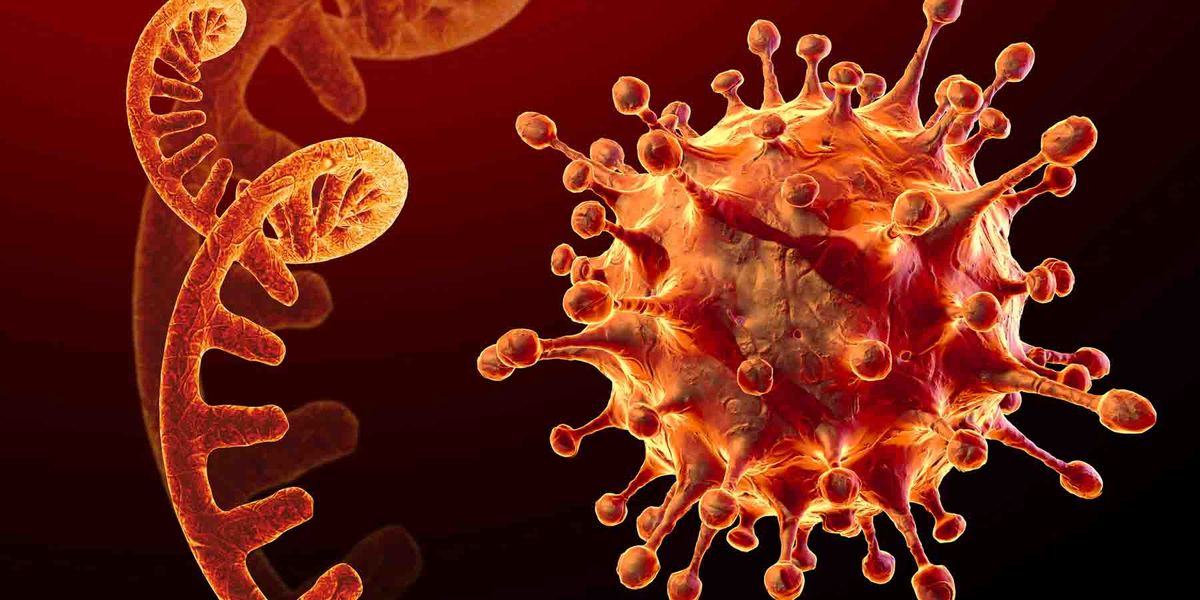
    Many bacteria, fungi, diseases, mold-related illnesses and infections begin in homes, offices, crawlspaces, basements, and attics that may lead to possibly serious health issues for homeowners in Victoria, Cowichan, Duncan, Nanaimo, Parksville, Qualicum, Courtenay, Comox, Campbell River, and Port Alberni.

     
    Pathogenic microbes such as virus, fungi and pathogenic bacteria are the main cause of airborne or direct contact diseases affecting animals and humans. Studies show the application of disinfectants and biocides via aerosol or fogging significantly reduce the number of viable infectious pathogens. Foggers produce micro droplets that float in the air for around 10 minutes after application, reaching the most inaccessible parts where conventional cleaning or spraying can’t reach. 
     
    Pathogenic Bacteria 

    Ecoli Pathogenic bacteria contribute to many illnesses and infections, whether food borne, water borne or air borne. These include diseases such as E-coli, MRSA, C. difficile, Campylobacter, Legionella and Salmonella. Unhygienic food preparation, water storage and air conditioning systems can harvest as well as spread these diseases. Bacteria such as MRSA and C. difficile are especially troublesome in hospitals, prisons and nursing homes, where patients with open wounds, and weakened immune systems are at greater risk of infection. 

    Virus 

    Influenza Viral infections make up around one third of cases of food poisoning in developed countries. Examples of these viruses include the Norovirus and Rotovirus. Other common viral infections include cold viruses and Seasonal influenza (the flu). An increasing concern due to a growing global population are animal or bird to human transmissions such as H1N1 (swine flu), and H5N1 strain of bird flu. Disinfection of surfaces using a fogger is essential to stop the spread of these infections. 

    Fungi 

    Many fungi are parasites on plants, animals (including humans). Some fungi can cause serious diseases in humans, several of which may be fatal if untreated. In the Nanaimo, Parksville and Qualicum areas, this includes Aspergillosis, coccidioidomycosis and mycetomas. Molds are a common component of household and workplace dust. However, when mold spores are present in large quantities, they can present a health hazard to humans, potentially causing allergic reactions and respiratory problems. Some molds can also produce mycotoxins which can pose a serious health risk to humans. 

    Mold in the Home

    Mold in the home, including Courtenay, Comox and Campbell River, usually can be found in damp, dark or steamy areas e.g. bathroom or kitchen, cluttered storage areas, recently flooded areas, basement areas, plumbing spaces, areas with poor ventilation and outdoors in humid environments. Fogging is used to apply fungicides to target mold in places such as bathroom or kitchen ceilings, behind boilers, recently flooded areas, basements and areas with poor ventilation. 
     

    What Can You Do?

    In most situations, Pacific Decontamination Services can neutralize your mold up 99.99999%. If our spray, fog or foam can touch it, we can neutralize it.  Our services come at a fraction of the cost as compared to the expensive approaches like soda / dry ice blasting, hepa vacuuming, scrubbing, removal of insulation and deconstruction and reconstruction of the attic and roof.


    We neutralize the mold in your attic, crawl space, home, building, vehicle, or property by applying our eco-friendly, safe chemical on all surfaces and airborne, focusing our efforts on the visible mold areas. Depending on the job, we apply our formula by spray, mist, foam, or fog. We further kill all airborne mold spores in your attic. The average time of our on-site service is approximately one hour. An additional four hours is required to achieve maximum effectiveness. We ask that you stay out of the attic for approximately 5 hours in total. Read more about how we work.

    Pacific Decontamination Services uses the world’s strongest, most effective and safe antimicrobial disinfectant, deodorization and chemical decontaminate. Our professional application will eliminate up to 99.99999% of any allergen, germ, bacteria or fungus that it touches. AND as powerful as it is, it is also completely safe.

    What do you do next? How do you solve the challenge of mold and associated health hazards?

    Call Pacific Decontamination Services at 778-269-0208 or email us at our email address: contact @ pacificdecon dot com

    Serving All of Vancouver Island: Victoria, Cowichan, Duncan, Nanaimo, Parksville, Qualicum, Courtenay, Comox, Campbell River, and Port Alberni.

  • You Have Found Mold in Your Home, Now What?

    You Have Found Mold in Your Home, Now What?

    Mycotoxins and mold spores in homes, offices, crawlspaces, basements, attics may lead to health issues for homeowners in Victoria, Cowichan, Duncan, Nanaimo, Parksville, Qualicum, Courtenay, Comox, Campbell River, and Port Alberni.

    Mold spores and mycotoxins produced by mold can be harmful to humans and animals, and they can cause a wide range of health problems, including respiratory issues, allergies, and even cancer. If you suspect a mold problem in your home, it is essential to take action as soon as possible to mitigate the risk to your health and the integrity of your home.

    One of the best ways to deal with mold in your home is to use the professional services of Pacific Decontamination Services. Here are just a few reasons why it is a good idea to use the services of a professional mold remediation company like Pacific Decontamination Services:

    Expertise: Mold remediation is a complex process that requires specialized knowledge and training. The professionals at Pacific Decontamination Services have the skills and experience necessary to effectively identify and neutralize the mold, spores, and mycotoxins from your home.

    Safety: Mold can be dangerous to handle, especially if you are not properly trained or equipped. The professionals at Pacific Decontamination Services take the necessary precautions to protect themselves and your property during the remediation process.

    Equipment: Removing mold from a home requires specialized equipment. Pacific Decontamination Services has the necessary equipment to effectively remove mold from your home and prevent it from spreading to other areas.

    Thoroughness: A thorough mold remediation process is essential to ensure that the spores and mycotoxins are removed from your home. The professionals at Pacific Decontamination Services take the time to thoroughly assess the extent of the mold problem and implement a comprehensive remediation plan to ensure that all mold is effectively neutralized.

    What Can You Do?

    In most situations, Pacific Decontamination Services can neutralize your mold up 99.99999%. If our spray, fog or foam can touch it, we can neutralize it.  Our services come at a fraction of the cost as compared to the expensive approaches like soda / dry ice blasting, hepa vacuuming, scrubbing, removal of insulation and deconstruction and reconstruction of the attic and roof.


    We neutralize the mold in your attic, crawl space, home, building, vehicle, or property by applying our eco-friendly, safe chemical on all surfaces and airborne, focusing our efforts on the visible mold areas. Depending on the job, we apply our formula by spray, mist, foam, or fog. We further kill all airborne mold spores in your attic. The average time of our on-site service is approximately one hour. An additional four hours is required to achieve maximum effectiveness. We ask that you stay out of the attic for approximately 5 hours in total. Read more about how we work.

    Pacific Decontamination Services uses the world’s strongest, most effective and safe antimicrobial disinfectant, deodorization and chemical decontaminate. Our professional application will eliminate up to 99.99999% of any allergen, germ, bacteria or fungus that it touches. AND as powerful as it is, it is also completely safe.

    What do you do next? How do you solve the challenge of mold and associated health hazards?

    Call Pacific Decontamination Services at 778-269-0208 or email us at our email address: contact @ pacificdecon dot com

    Serving All of Vancouver Island: Victoria, Cowichan, Duncan, Nanaimo, Parksville, Qualicum, Courtenay, Comox, Campbell River, and Port Alberni.

  • 10 Most Commonly Asked Questions about Mold in Nanaimo, Parksville and Qualicum

    10 Most Commonly Asked Questions about Mold in Nanaimo, Parksville and Qualicum

    What is Mold?

    Mold and fungi are terms generally used to describe a distinct group of organisms that are fuzzy or powdery in appearance.

    The fungus was once considered a part of the plant kingdom; they are now regarded as a distinct kingdom of organisms. Fungi tend to absorb nutrients from dead or living organic matter to grow and survive.

    At least 100,000 living species of fungus have been identified, some of which are beneficial to mankind.

    Mycologists (scientists specializing in botany that deals with fungi) have estimated that another 200,000 fungi may probably exist that have not yet been identified.

    How Can We Be Exposed to Mold?

    Exposure to molds is possible in several ways. First is by skin contact with molds. People with high allergic reactions to molds may https://wordpress.pacificdecon.com/2021/10/24/13348/develop rashes where the mold has made contact with the skin.

    Inhalation of spores from mold may cause allergic reactions or asthma as it passes through the nose and the lungs.

    Mold exposure can also occur when someone accidentally ingests food or materials contaminated with molds.

    How Does Mold Affect Our Health?

    Molds are probably the leading cause of airborne allergies. Within the mold spores are mycotoxins that can cause health issues.

    Some of the most common symptoms of those sensitive to molds include nasal stuffiness, eye irritation, wheezing, cold and flu-like symptoms, rashes, conjunctivitis, inability to concentrate, and fatigue.

    Exposure to molds has also been associated with the onset of asthma (especially with children).

    How Do I Deal with Molds in My Home?

    The most common way of treatment is to have Pacific Decontamination Services decontaminate the entire living area, with a primary focus on areas where fungi are present.

    How Do I Decrease Indoor Molds?

    Ideally, you not only want to avoid molds indoors but prevent them from ever growing (or back again after decontamination).

    By knowing the factors of how molds thrive, you can quickly decrease or even prevent mold from even growing in your home.

    So the best way to prevent mold growth in your home after decontamination is humidity, and liquid water must be eliminated vigilantly through a dehumidifier and appropriate cleanup.

    How Do I Locate Molds in My Home?

    There are signs to watch for if you want to discover mold growth in your house. Sometimes you can see and smell mold cells that are growing on surfaces. This is especially true when the humidity within your premises is higher than 60%.

    Its is possible that there is mold growth wherever there are water stains, standing water, or moist surfaces. Walls, ceilings, carpets, windowsills, drain pans, ductwork, vents, bathrooms, and wallboard should all be thoroughly inspected.

    Look for possible stains and streaks on walls, ceilings, and floors. You should also look for bubbles in paint, plaster, and loose wallpaper.

    How to Get Rid of Mold

    This is where Pacific Decontamination Services can help. Call Pacific Decontamination Services at 778-269-0208 or email us!
    Serving All of Vancouver Island: Victoria, Cowichan, Duncan, Nanaimo, Parksville, Qualicum, Courtenay, Comox, Campbell River, and Port Alberni.

    What does Mold need to Thrive?

    First and foremost, like all living things, molds need food to survive. The fact that molds can feed on almost any organic material makes their food easy to find.

    Next, molds depend on their fungal spores to multiply. Another factor for molds to thrive and multiply is liquid water.

    This is why it is strongly advised to fix water leaks immediately.

    And the last factor needed for molds to thrive is warm temperature and excessive humidity. Molds typically thrive at temperatures as low as 50 degrees Fahrenheit ( 10 C) up to 70 degrees Fahrenheit (20 C).

    Where does Mold Grow?

    Mold can grow anywhere, indoors or outdoors, as long as there is enough surface moisture to keep them alive.

    Fungi can be found in every type of climate and social and economic condition. They live where moisture, oxygen, and other chemicals that they need are present.  They can be found on the surfaces of objects, within pores, and inside deteriorated materials.

    Nanaimo, Parksville, Qualicum, Courtenay, Comox, Campbell River, Ladysmith and Duncan are locations where mold is commonly found in crawl spaces, basements, attics and living spaces.

    We neutralize your mold by applying our eco-friendly, safe chemical into your attic, crawlspace, or basement. Depending on the job, we apply our formula by spray, mist, foam, or fog. We do not use a tent. The average time of our on-site service is approximately one hour. An additional four hours is required to achieve maximum effectiveness. We ask that you stay out of the premise for approximately 5 hours in total. Read more about how we work.

    Pacific Decontamination Services uses the world’s strongest, most effective and safe antimicrobial disinfectant, deodorization and chemical decontaminate. Our professional application will eliminate up to 99.99999% of any allergen, germ, bacteria or fungus that it touches. AND as powerful as it is, it is also completely safe.

    What do you do next? How do you solve the challenge of mold and associated health hazards?

    Call Pacific Decontamination Services at 778-269-0208 or email us!
    Serving All of Vancouver Island: Victoria, Cowichan, Duncan, Nanaimo, Parksville, Qualicum, Courtenay, Comox, Campbell River, and Port Alberni.
  • Airborne Mold Spores and Mycotoxins

    Airborne Mold Spores and Mycotoxins

    Airborne mold spores and mycotoxins in homes, offices, crawlspaces, basements, attics may lead to health issues for homeowners in Victoria, Cowichan, Duncan, Nanaimo, Parksville, Qualicum, Courtenay, Comox, Campbell River, and Port Alberni.

    Pacific Decontamination Services kills both surface and airborne mold spores and mycotoxins.

    WHAT ARE MYCOTOXINS?
    Mycotoxins are the toxic chemical substances that certain types of molds produce. These fungal toxins are volatile organic compounds amongst other things. Mycotoxins are as small as 0.1 microns. For reference, mold spores are between 1 and 20 microns.

    THE MOST COMMON AND DANGEROUS MYCOTOXIN PRODUCING MOLDS ARE:
    Alternaria
    Aspergillus
    Chaetomium
    Cladosporium
    Fusarium
    Myrothecium
    Penicillium
    Stachybotrys
    Trichoderma
    Thrichothecium

    WHAT ARE THE TYPES OF MYCOTOXINS?
    There are over 400 mycotoxins, most of which are cytotoxic (toxic to living cells).

    ARE MYCOTOXINS DANGEROUS?
    Yes. The toxic effect of mycotoxins on animal and human health is referred to as mycotoxicosis.

    Mycotoxins have four basic kinds of toxicity: acute, chronic, mutagenic and teratogenic. In addition to these, mycotoxins can be carcinogenic, estrogenic, hemorrhagic, immunotoxic, nephrotoxic, hepatotoxic, dermatoxic and neurotoxic. Molecular structures of mycotoxins vary widely, so their effects on human and animal health also vary widely. The extent of adverse effects of mycotoxins on human or animals health mainly depends on the extent of exposure (dosage and period), type of mycotoxins, physiological and nutritional status as well as possible synergistic effects of other chemicals to which the animals or humans are exposed.

    Mycotoxins can affect all organ systems, but individual mycotoxins usually target specific organ systems. Species differences are generally related to severity of effect, although in some cases target organs may differ according to species. Some mycotoxins cause primarily acute and highly reversible effects, others cause irreversible organ damage, and still others cause both acute and chronic effects, depending upon exposure levels, time course, and other circumstances.

    The most commonly induced diseases include liver cancer, kidney failure, and effects on the brain or nervous system.

    Some people are more susceptible to getting mycotoxicosis than others, and this is due to the pharmacogenetic variability where specific gene mutations such as cytochrome genes could either increase or decrease the metabolic activity (cytotoxicity) of the challenging mycotoxins

    In addition, about 25% of North Americans also carry a gene called HLA-DR (human leukocyte antigen) that makes it more difficult for them to excrete mycotoxins. In people with the HLA-DR gene, their body is unable to recognize toxins as a foreign invader, so they don’t produce the antibodies needed to remove mycotoxins. This population is also more likely to develop Chronic Inflammatory Response Syndrome (CIRS), an out-of-control inflammatory response to toxins.

    Aside from the fact that mycotoxins are known inhibitors of DNA, RNA, and protein synthesis, they have the ability to destroy human health (mentally and physically), and never appear in an autopsy. This is why they are used in biological warfare.

    Frequently, mycotoxicosis remain unrecognized by medical professionals.

    Are mycotoxins making you sick – read our blog

    HOW DO MYCOTOXINS GET INTO THE BODY?
    Mycotoxins may enter the human and animal system in one of three ways. Ingestion, dermal, or inhalation.

    When mycotoxins are ingested, they enter the body either by indirect or direct contamination. Direct contamination occurs when a food or feed becomes infected with a toxigenic fungus with subsequent toxin formation.

    In contrast, indirect contamination can take place when an ingredient of a process has previously been contaminated with toxin-producing fungi and while the fungus itself may be killed or removed during processing, the mycotoxin will mostly remain in the final product. And example of this is cereal.

    Mycotoxins can enter the body through the skin (dermal) or the eyes. The eyes are actually the easiest and most direct way that mycotoxins enter the body systems. If mycotoxins enter the body through the skin, this is most likely because your body was in direct, recurring contact with a contaminated source (clothing, linens, furniture, car). Typically this is the least common entry point for mycotoxins.

    MYCOTOXINS FROM MOLD
    Mycotoxins are poisonous substances produced by fungi or mold. They can be toxic for humans when they are eaten, absorbed into the skin, or inhaled. A small amount of mycotoxin can be damaging to human or animal health and even cause death. Poisoning by mycotoxins is called mycotoxicosis.

    MYCOTOXINS FROM MOLD CAN BECOME AIRBORNE
    Mycotoxins are present in the air and therefore easily inhaled. They make their way through the sinuses or mouth and into the body.

    HOW TOXIC MOLD SPREADS
    The wet coating of a toxic black mold colony usually prevents its spores from becoming airborne. If its moisture source runs out though, a toxic black mold colony can dry out and release many of its spores into the air. When toxic black mold is dry it looks gray and powdery. Other things like changes in humidity can also trigger the release of toxic black mold spores.

    Disturbing toxic black mold can also cause a lot of toxic spores to enter the air. This is why you should never disturb or try to remove toxic black mold if you find it in your home. Removing toxic black mold is much more dangerous than removing ordinary mold and it should only be done by a professional. Pacific Decontamination Services kills both surface and airborne mold spores and mycotoxins.

    Toxic black mold spores are heavy compared to other mold spores and so they do not remain in the air for very long. If toxic black spores do not land on a suitable surface to grow on then they die soon after being released. The dead spores are still just as toxic to humans though.

    Learn more about The Facts of Mold

    HOW LONG ARE MYCOTOXINS TOXIC FOR?
    Mycotoxins are toxic for a very long time. According to experts, trichothecene mycotoxins can remain toxic for several years.

    HOW DO YOU KILL MYCOTOXINS?
    We neutralize your mold, spores and mycotoxins by applying our eco-friendly, safe chemical into your home, attic, crawlspace, or basement. Depending on the job, we apply our formula by spray, mist, foam, or fog. We do not use a tent. The average time of our on-site service is approximately one hour. An additional four hours is required to achieve maximum effectiveness. We ask that you stay out of the premise for approximately 5 hours in total. Read more about how we work.

    Pacific Decontamination Services kills both surface and airborne mold spores and mycotoxins.

    Pacific Decontamination Services uses the world’s strongest, most effective and safe antimicrobial disinfectant, deodorization and chemical decontaminate. Our professional application will eliminate up to 99.9999% of any allergen, germ, mycotoxin, bacteria or fungus that it touches. AND as powerful as it is, it is also completely safe.

    What do you do next? How do you solve the challenge of mold and associated health hazards?

    Call Pacific Decontamination Services at 778-269-0208 or email us!

    Serving All of Vancouver Island: Victoria, Cowichan, Duncan, Nanaimo, Parksville, Qualicum, Courtenay, Comox, Campbell River, and Port Alberni

  • Bleach Does Not Break the Mold Lifecycle

    Bleach Does Not Break the Mold Lifecycle


    Bleach does not break the mold lifecycle.  Wiping down mold with bleach does not solve the problem in homes, offices, crawlspaces, basements, attics, vehicles for homeowners in Victoria, Cowichan, Duncan, Nanaimo, Parksville, Qualicum, Courtenay, Comox, Campbell River, and Port Alberni,

    Does Bleach Kill Mold?

    There is a lot of misinformation about bleach and mold.

    A quick internet search pulls up all kinds of conflicting information about bleach and mold. Some articles state emphatically that bleach kills mold while others caution against using bleach to remove mold.

    The United States of America OSHA (Occupational Safety and Health Administration) was one of the first federal agencies to STOP recommending the use of liquid bleach for mold remediation.

    What is Bleach?

    Bleach is the generic term that describes a variety of chemicals used to whiten clothes, lighten hair colors, and remove stains. Additionally, most types of bleach will disinfect and sterilize germs and bacteria. While there are several types of bleach, chlorine bleach is a common household bleach.

    Does Bleach Kill Mold?

    Yes. But… germs and bacteria, like salmonella and influenza, require a host to thrive. While they will live for a period of time outside the body, they will eventually die without a host. This makes cleaning with bleach an effective way to kill germs and bacteria because they don’t have the means to reproduce outside of a host.

    Mold is much more complicated than that. Hence why it causes far greater destruction than a virus.

    Mold is a naturally occurring airborne fungus that aids in the decomposition of organic materials. If you have mold growing in your home, you also have mold spores in the air. Instead of an animal or human host, mold lives on organic material and moisture.

    Since mold spores can “soak into” a surface, mold can outrun bleach. A virus or bacteria can’t do that because they live on surfaces. So if you catch a mold spore at the right moment, bleach may be able to remove it but it could also cause some other issues along the way. Read more about mold, mold spores and health concerns here.

    Reasons Why You May Not Want to Use Bleach to Kill Mold

    1. Bleach Does What It Does Best – It Bleaches

    Bleach basically only removes the color from the visible mold. It magically turns visible mold into “hidden mold.” It provides a false sense of security that the mold has been removed.

    2. Bleach Can Only Reach Surface Mold

    In case you didn’t know, mold is not just on the surface of something. It roots and it often roots deeply. This is a survival mechanism. Mold doesn’t want to be removed. As such, you can’t kill any mold with a product that only reaches the surfaces.

    Bleach only reaches the mold on the surface without affecting the membrane underneath.  You need to kill and remove this underlying membrane to effectively remove the mold growth and prevent it from returning.  Bleach cleaners cannot kill this membrane because its chemical structure prevents it from penetrating porous surfaces.  This causes the mold membranes to move deeper into the affected surface to hide from the bleach.

    3. Bleach Causes More Mold Growth

    Bleach has been proven to actually cause additional mold growth.

    When bleach is introduced to mold colonies, the mold recognizes the bleach as a threat and reacts. This means that it begins to reproduce at a rapid rate. It roots deeper and grows stronger.

    Bleach also contains 90% water and mold loves moisture obviously. When bleach is applied, the chlorine quickly evaporates after use leaving behind a ton of water. This water often soaks into the surface allowing the mold to grow more in this moist environment. So in effect, using bleach actually feeds the internal mold spores!

    4. Chlorine Bleach Loses Its Effectiveness Over Time

    Chlorine bleach rapidly loses its effectiveness. When exposed to air, chlorine evaporates. This means that you might have a bottle of bleach that is basically useless. Basically, you would be pouring water on mold spores which as we just discussed is not a good solution.

    5. Using Bleach To Kill Mold Is Toxic

    Chlorine bleach produces fumes that pollute the air and can become harmful to both humans and pets. Chlorine bleach also generates a by-product called dioxin, which is linked to cancer. Used over time, bleach builds up these pollutants in the environment. If you are battling mold the last thing you need to introduce are more toxins.

    Another disadvantage of bleach is that it can damage the materials it’s used on as it is a harsh, corrosive chemical.

    A simple study was conducted by the University of Oregon State. One of the purposes of the study was to examine if bleach can prevent or remove mold growth from Douglas-fir Lumber. The study found that “While bleach is often recommended for remediation of surface mold on wood, our results illustrate that the treatment does not eliminate the surface microflora. As a result, an important component of remediation must be drying to moisture levels below 20 percent (the generally accepted level for inhibiting growth of fungi on wood) (Zabel and Morrell 1992). In the absence of drying, some fungi clearly survive the treatment and may re-colonize the surface”

    Some Facts About Bleach and Mold

    United States of America EPA and OSHA have specifically advised against the use of bleach for mold remediation.

    Bleach will only remove the stain from mold. The surface will appear clean but internal roots will continue to grow.

    Using bleach to kill mold will encourage toxic mold to grow faster and stronger.

    Bleach itself is considered a toxic chemical and is classified the same as gasoline. In its gaseous form (room temperature) chlorine releases Dioxins, a known cancer causing compound.

    Your bleach may have already lost its effectiveness rendering it as useless as water to remove mold.

    If Not Bleach, What Do You Do?

    The best treatment to break the mold life cycle is treatment by Pacific Decontamination Services to keep mold spores from repopulating. 

    What We Do – We Also Neutralize All Airborne, Surface and Root Mold Spores!

    In most situations, Pacific Decontamination Services can neutralize your mold up 99.99999%. If our spray, fog or foam can touch it, we can neutralize it.  Our services come at a fraction of the cost as compared to the expensive approaches like soda / dry ice blasting, hepa vacuuming, scrubbing, removal of insulation and deconstruction and reconstruction of the attic and roof.

    We neutralize the mold in your attic, crawl space, home, building, vehicle, or property by applying our eco-friendly, safe chemical on all surfaces, roots and airborne, focusing our efforts on the visible mold areas. Depending on the job, we apply our formula by spray, mist, foam, or fog. We further kill all airborne mold spores. The average time of our on-site service is approximately one hour. An additional four hours is required to achieve maximum effectiveness. We ask that you stay out of the attic for approximately 5 hours in total. Read more about how we work.

    Pacific Decontamination Services uses the world’s strongest, most effective and safe antimicrobial disinfectant, deodorization and chemical decontaminate. Our professional application will eliminate up to 99.99999% of any allergen, germ, bacteria or fungus that it touches. AND as powerful as it is, it is also completely safe.

    What do you do next? How do you solve the challenge of mold and associated health hazards?

    Call Pacific Decontamination Services at 778-269-0208 or email us at our email address: contact @ pacificdecon dot com

    Serving All of Vancouver Island: Victoria, Cowichan, Duncan, Nanaimo, Parksville, Qualicum, Courtenay, Comox, Campbell River, and Port Alberni.

  • Why Bleach Does Not Completely Eliminate Mold

    Why Bleach Does Not Completely Eliminate Mold

    Simply wiping down mold with bleach does not rid the surface or surrounding areas of the floating mold spores in homes, offices, crawlspaces, basements, attics, vehicles for homeowners in Victoria, Cowichan, Duncan, Nanaimo, Parksville, Qualicum, Courtenay, Comox, Campbell River, and Port Alberni.

    Mold is more than simply a smelly and unsightly stain on walls, ceilings and other surfaces. Like all forms of fungus, mold is a living organism that can grow and reproduce. A look at the mold life cycle will help you understand how it can quickly spread through your home before you even realize it’s there.

    Four stages of the mold life cycle

    • The initial stage begins with a cell called a hypha. This minute, thread-like cell feeds on cellulose, wood and other organic materials through the release of enzymes. As the hypha absorbs the nutrients, it grows into a mycelium, and the resulting cluster of hyphae forms the visible portion of mold.

    • Once the mycelium is created, some of the individual hyphae develop spores on the ends. You may remember from high school biology that spores are cells that reproduce asexually in fungi and certain plants such as ferns. Available light, oxygen and ambient temperature all play roles in the formation of spores.

    • The microscopic spores are then released into the air, where they drift until settling in a new area with the requisite water and nutrients to fuel reproduction. Despite their size and seemingly delicate nature, spores are hardy organisms. In many cases they can remain dormant for years, even under inhospitable hot and dry conditions.

    • As spores settle in and begin reproducing, the mold life cycle comes full circle. The spores absorb moisture and nutrients from their new home and begin generating new hyphae. Left unchecked, the process continues indefinitely.

    How the mold life cycle affects mold treatment

    Hyphae act as roots, anchoring mold to its substrate and absorbing nutrients just as roots do for plant life. Wiping down a surface infested with mold does nothing to disturb the hyphae. While mold may initially appear to be gone, it inevitably returns as the remaining hyphae begin a fresh mold lifecycle.

    In many cases, the mold life cycle plays an important part in the balance of nature, such as when it feeds upon dead or decaying trees, leaves and other organic debris. Problems arise indoors, where ingesting spores through your respiratory system can cause allergic reactions and other health problems.

    How can you break the mold life cycle?

    With traditional mold remediation, costly and inconvenient rebuilding and, or physical removal of affected surfaces is the only way to interrupt the mold life cycle.

    Cleansing an area with bleach does not rid a surface or surrounding areas of the floating mold spores.

    The best treatment to break the mold life cycle is treatment by Pacific Decontamination Services to keep mold spores from repopulating. 

    What We Do – We Also Neutralize All Airborne and Surface Mold Spores

    In most situations, Pacific Decontamination Services can neutralize your mold up 99.99999%. If our spray, fog or foam can touch it, we can neutralize it.  Our services come at a fraction of the cost as compared to the expensive approaches like soda / dry ice blasting, hepa vacuuming, scrubbing, removal of insulation and deconstruction and reconstruction of the attic and roof.

    We neutralize the mold in your attic, crawl space, home, building, vehicle, or property by applying our eco-friendly, safe chemical on all surfaces and airborne, focusing our efforts on the visible mold areas. Depending on the job, we apply our formula by spray, mist, foam, or fog. We further kill all airborne mold spores in your attic. The average time of our on-site service is approximately one hour. An additional four hours is required to achieve maximum effectiveness. We ask that you stay out of the attic for approximately 5 hours in total. Read more about how we work.

    Pacific Decontamination Services uses the world’s strongest, most effective and safe antimicrobial disinfectant, deodorization and chemical decontaminate. Our professional application will eliminate up to 99.99999% of any allergen, germ, bacteria or fungus that it touches. AND as powerful as it is, it is also completely safe.

    What do you do next? How do you solve the challenge of mold and associated health hazards?

    Call Pacific Decontamination Services at 778-269-0208 or email us at our email address: contact @ pacificdecon dot com

    Serving All of Vancouver Island: Victoria, Cowichan, Duncan, Nanaimo, Parksville, Qualicum, Courtenay, Comox, Campbell River, and Port Alberni.

  • Facts About Mold

    Facts About Mold

    Mold and mold spores in homes, offices, crawlspaces, basements, attics may lead to health issues for homeowners in Victoria, Cowichan, Duncan, Nanaimo, Parksville, Qualicum, Courtenay, Comox, Campbell River, and Port Alberni.

    Here are some common myths about mold.

    Mold growing in your house is a sign of poor cleaning – true or false?

    This is False. Mold growth in your house is a sign of a moisture problem. Mold spores naturally exist pretty much everywhere, both outside and inside. In your house they just need the right temperature and moisture level to grow into a mold colony. Moisture problems and mold growth are regularly caused by excessive humidity, lack of ventilation, water leaks, or flooding.

    Black mold is very dangerous – true or false?

    This is mostly False. When we talk about the dangers of “black mold”, we are usually referring to a type of mold known as Stachybotrys chartarum. This type of toxic mold, along with specific other molds, can produce mycotoxins in certain circumstances. Some people are more sensitive to these mycotoxins or have underlying conditions like asthma or lung disease that make them more prone to being affected by the mycotoxins. Mold toxins can lead to health issues like cold-like symptoms, allergic reactions or respiratory problems in people and animals. Reports of extreme health affects from black mold are extremely rare.

    The best way to kill mold is with bleach or vinegar – true or false?

    This is False. Bleach, vinegar and other chemicals can kill some types of mold on hard non-porous surfaces (like bathroom tiles), but are not recommended because of their overall ineffectiveness on both non-porous and porous surfaces and their impact on air quality. The best way to get rid of mold is to concentrate on mold removal rather than killing it. Health Canada recommends using soap and water on hard non-porous surfaces and to remove all porous surfaces (such as fabrics, materials, insulation, drywall, etc) that have mold on them.

    Painting over mold will not kill the mold or prevent it from spreading – true or false?

    This is True. Paint does not kill mold, nor prevent it from spreading. The first step in stopping mold from growing and spreading is to find and remove the moisture problem. Once this is done, you can try to paint over the mold to hide the staining, but often the mold will keep showing through. To get rid of the mold it’s best to remove and replace the affected drywall.

    All you need to protect yourself is rubber gloves – true or false?

    This is false. Non-professionals doing mold remediation need to take the same precautions taken by qualified professionals. This includes wearing personal protective equipment (eg. safety glasses or goggles, N95 mask, disposable rubber gloves), containing (or neutralizing) the mold and mold spores from the people in the building, having increased ventilation, doing proper disposal of all moldy materials (sealed in plastic bags and removed from the space in a timely manner), etc. Care also must be taken to not create any additional hazards, eg. electrical shocks, falls from ladders, etc.

    Once the mold and mold spores have been neutralized, it’s gone for good – true or false?

    This is false. You must be diligent in preventing the mold problem from reoccuring. Prevention is key. If the right conditions arise, mold can come back.  It is key to identify and reduce the underlying moisture or humidity issues. This means finding and rectifying all water leaks, water seepage, improper ventilation, and excessive humidity.

    What Can You Do?

    In most situations, Pacific Decontamination Services can neutralize your mold up 99.99999%. If our spray, fog or foam can touch it, we can neutralize it.  Our services come at a fraction of the cost as compared to the expensive approaches like soda / dry ice blasting, hepa vacuuming, scrubbing, removal of insulation and deconstruction and reconstruction of the attic and roof.


    We neutralize the mold in your attic, crawl space, home, building, vehicle, or property by applying our eco-friendly, safe chemical on all surfaces and airborne, focusing our efforts on the visible mold areas. Depending on the job, we apply our formula by spray, mist, foam, or fog. We further kill all airborne mold spores in your attic. The average time of our on-site service is approximately one hour. An additional four hours is required to achieve maximum effectiveness. We ask that you stay out of the attic for approximately 5 hours in total. Read more about how we work.

    Pacific Decontamination Services uses the world’s strongest, most effective and safe antimicrobial disinfectant, deodorization and chemical decontaminate. Our professional application will eliminate up to 99.99999% of any allergen, germ, bacteria or fungus that it touches. AND as powerful as it is, it is also completely safe.

    What do you do next? How do you solve the challenge of mold and associated health hazards?

    Call Pacific Decontamination Services at 778-269-0208 or email us at our email address: contact @ pacificdecon dot com

    Serving All of Vancouver Island: Victoria, Cowichan, Duncan, Nanaimo, Parksville, Qualicum, Courtenay, Comox, Campbell River, and Port Alberni.

    Black mold is very dangerous – true or false?

    This is mostly False. When we talk about the dangers of “black mold”, we are usually referring to a type of mold known as Stachybotrys chartarum. This type of toxic mold, along with specific other molds, can produce mycotoxins in certain circumstances. Some people are more sensitive to these mycotoxins or have underlying conditions like asthma or lung disease that make them more prone to being affected by the mycotoxins. Mold toxins can lead to health issues like cold-like symptoms, allergic reactions or respiratory problems in people and animals. Reports of extreme health affects from black mold are extremely rare.

    The best way to kill mold is with bleach or vinegar – true or false?

    This is False. Bleach, vinegar and other chemicals can kill some types of mold on hard non-porous surfaces (like bathroom tiles), but are not recommended because of their overall ineffectiveness on both non-porous and porous surfaces and their impact on air quality. The best way to get rid of mold is to concentrate on mold removal rather than killing it. Health Canada recommends using soap and water on hard non-porous surfaces and to remove all porous surfaces (such as fabrics, materials, insulation, drywall, etc) that have mold on them.

    Painting over mold will not kill the mold or prevent it from spreading – true or false?

    This is True. Paint does not kill mold, nor prevent it from spreading. The first step in stopping mold from growing and spreading is to find and remove the moisture problem. Once this is done, you can try to paint over the mold to hide the staining, but often the mold will keep showing through. To get rid of the mold it’s best to remove and replace the affected drywall.

    All you need to protect yourself is rubber gloves – true or false?

    This is false. Non-professionals doing mold remediation need to take the same precautions taken by qualified professionals. This includes wearing personal protective equipment (eg. safety glasses or goggles, N95 mask, disposable rubber gloves), containing (or neutralizing) the mold and mold spores from the people in the building, having increased ventilation, doing proper disposal of all moldy materials (sealed in plastic bags and removed from the space in a timely manner), etc. Care also must be taken to not create any additional hazards, eg. electrical shocks, falls from ladders, etc.

    Once the mold and mold spores have been neutralized, it’s gone for good – true or false?

    This is false. You must be diligent in preventing the mold problem from reoccuring. Prevention is key. If the right conditions arise, mold can come back.  It is key to identify and reduce the underlying moisture or humidity issues. This means finding and rectifying all water leaks, water seepage, improper ventilation, and excessive humidity.

    What Can You Do?

    In most situations, Pacific Decontamination Services can neutralize your mold up 99.99999%. If our spray, fog or foam can touch it, we can neutralize it.  Our services come at a fraction of the cost as compared to the expensive approaches like soda / dry ice blasting, hepa vacuuming, scrubbing, removal of insulation and deconstruction and reconstruction of the attic and roof.

    Pacific Decontamination Services uses the world’s strongest, most effective and safe antimicrobial disinfectant, deodorization and chemical decontaminate. Our professional application will eliminate up to 99.99999% of any allergen, germ, bacteria or fungus that it touches. AND as powerful as it is, it is also completely safe.

    What do you do next? How do you solve the challenge of mold and associated health hazards?

    Call Pacific Decontamination Services at 778-269-0208 or email us at our email address: contact @ pacificdecon dot com

    Serving All of Vancouver Island: Victoria, Cowichan, Duncan, Nanaimo, Parksville, Qualicum, Courtenay, Comox, Campbell River, and Port Alberni.

  • What You Need to Know About White Mold

    What You Need to Know About White Mold

    Finding white mold in your home, attic, crawl, or building is extremely common and may lead to health concerns for homeowners in Victoria, Cowichan, Duncan, Nanaimo, Parksville, Qualicum, Courtenay, Comox, Campbell River, and Port Alberni.

    Finding mold in your residential or commercial property is problematic because of the way it can damage your property and how it can harm the health of anyone exposed to it. Mold, however, is a general term that encompasses a wide variety of mold species. In a general sense, mold growth in your home is harmful regardless of the specific type; however, the different qualities concerning each species make a great difference when determining how to properly deal with the mold growth problem.

    White mold is an example of the fungus, but it isn’t just one type of mold. White mold describes a wide range of mold species that can appear white in color. Because of the white color quality of such mold species, white mold might be tough to identify. But as is with any mold, it’s essential that you can identify its presence so that you can have the mold growth properly addressed, and removed, to prevent further issues.

    What is White Mold?
    White mold is a term used to describe mold species that may be white in appearance and have a powdery texture. Among the species of white mold that are often found growing in homes are penicillium, Cladosporium, and aspergillus. However, white is just one of the colors that such mold can appear as. These mold species can also be black, gray, or green in color.

    If mold is white in color, then it could be because their spores have no pigments, and this is determined by what kind of surface/material the mold has developed on. Sometimes, mold will be white in its early developmental stages and then change colors once spores have been produced.

    What Causes Mold Growth?
    Mold spores are naturally present in the air, so it’s not difficult for them to result in mold growth so long as they have the proper conditions. To grow, mold spores need a moisture source and a food source. Mold often uses building materials, such as wood and drywall, as a food source because those materials contain cellulose, a main organic food source for mold. That said, if your property’s building materials have suffered water damage, mold growth is likely to follow, because the mold spores have everything they need to flourish.

    How Do You Identify White Mold?
    Aside from its white appearance and powdery texture, white mold can usually be found growing on drywall, wood, and other building materials that contain cellulose. However, because of its white color, white mold can often be confused with other white substances, such as efflorescence and mildew.

    Efflorescence is a salt deposit left behind by saltwater that evaporates. It has a white crystalline appearance and can be found on brick, concrete, or stone. These surfaces aren’t ones in which mold typically grows, so the affected surface can tell you whether a substance is white mold or efflorescence. You can also try to test the substance by dropping water onto it. If the substance dissolves, then it isn’t mold.

    Mildew can be differentiated from white mold, too, by paying attention to the affected surface. For the most part, mildew will not grow on surfaces besides plants. If it does, it won’t cause the material damage that you can expect from white mold.

    What Makes White Mold Hazardous?
    As is the case with all species and types of mold, white mold is hazardous, because exposure to it can result in various health problems. Among the health issues white mold can cause include allergies, eye irritation, skin irritation, headaches, respiratory infections, nausea, and dizziness. Prolonged exposure can lead to even more severe problems, such as anxiety, depression, insomnia, and memory loss. Additionally, individuals with asthma are more likely to suffer from problems if exposed to mold.

    In terms of your property, white mold is dangerous because of the way it uses building materials as a food source. The mold eats away at the material, compromising its structural integrity. With enough damage, your property’s structure can become unstable. This is why it’s important to act quickly with mold growth; you want to prevent any damage from getting really bad.

    How Do You Treat White Mold?
    If you encounter mold growth in your home or business, then you must act immediately to limit the damage that it can cause to your property and to you and anyone else who inhabits the space.

    What Can You Do?
    In most situations, Pacific Decontamination Services can neutralize your mold up 99.99999%. If our spray, fog or foam can touch it, we can neutralize it. Our services come at a fraction of the cost as compared to the expensive approaches like soda / dry ice blasting, hepa vacuuming, scrubbing, removal of insulation and deconstruction and reconstruction of the attic and roof.

    Click Here to learn more. We neutralize the mold by applying our eco-friendly, safe chemical, focusing our efforts on the visible mold areas. Depending on the job, we apply our formula by spray, mist, foam, or fog. We further kill all airborne mold spores in your residence/property. The average time of our on-site service is approximately one hour. An additional four hours is required to achieve maximum effectiveness. We ask that you stay out for approximately 5 hours in total. Read more about how we work.

    Pacific Decontamination Services uses the world’s strongest, most effective and safe antimicrobial disinfectant, deodorization and chemical decontaminate. Our professional application will eliminate up to 99.99999% of any allergen, germ, bacteria or fungus that it touches. AND as powerful as it is, it is also completely safe.

    What do you do next? How do you solve the challenge of white mold and associated health hazards?

    Call Pacific Decontamination Services at 778-269-0208 or email us at contact at pacificdecon.com

    Serving All of Vancouver Island: Victoria, Cowichan, Duncan, Nanaimo, Parksville, Qualicum, Courtenay, Comox, Campbell River, and Port Alberni.