Tag: rat odour

  • The Unseen Perils: Rodent Infestations, Feces, and the Pungent Trail of Urine

    The Unseen Perils: Rodent Infestations, Feces, and the Pungent Trail of Urine


    In the intricate ecosystem of our homes in Duncan, Cowichan, Nanaimo, Parksville, Qualicum, Port Alberni, Courtenay, Comox, Campbell River and Vancouver Island, few invaders can wreak as much havoc and pose as significant health risks as rodents. Mice and rats, though small in stature, leave behind a trail of potential dangers through their feces and the distinctive smell of their urine. In this blog, we’ll explore the unseen perils of rodent infestations, shedding light on the health hazards associated with their droppings and the pungent odor that accompanies their presence.

    The Stealthy Intruders: Mice and Rats

    Mice and rats are expert infiltrators, squeezing through the tiniest openings to set up their nests within the walls, attics, and basements of our homes. While their presence may initially go unnoticed, the consequences of a rodent infestation can be severe, extending beyond mere inconvenience.

    The Fecal Fallout: Health Hazards Lurking in Droppings

    Rodent feces are not just an unsightly mess; they can be breeding grounds for a variety of harmful microorganisms. Diseases associated with mice and rat droppings include:

    1. Salmonellosis: Contamination of food and surfaces with rodent feces can lead to salmonella poisoning, causing symptoms such as diarrhea, fever, and abdominal cramps.
    2. Leptospirosis: Exposure to water, soil, or food contaminated with rat urine can result in this bacterial infection, leading to flu-like symptoms and potentially severe complications.
    3. Hantavirus Pulmonary Syndrome: As mentioned in previous blogs, this rare but serious respiratory illness can be transmitted through the inhalation of airborne particles from rodent droppings.
    4. Allergens and Respiratory Issues: Rodent droppings can release allergenic proteins into the air, triggering or exacerbating respiratory issues such as asthma.

    The Lingering Odor: Unpleasant Consequences of Rodent Urine

    In addition to the health risks associated with feces, the smell of rodent urine can be a persistent and unpleasant consequence of infestations. The odor is not just a nuisance; it can signal potential problems such as:

    1. Mating Behavior and Attraction of More Rodents: Rodent urine contains pheromones that signal mating behavior, potentially attracting more rodents to the area.
    2. Deterioration of Indoor Air Quality: The ammonia-like scent of rodent urine can contribute to poor indoor air quality, causing discomfort and respiratory irritation for occupants.

    Addressing the Issue:

    1. Identifying and Sealing Entry Points: Conduct a thorough inspection to identify and seal potential entry points for rodents, preventing further infestations.
    2. Professional Pest Control: If a rodent infestation is suspected or confirmed, seeking professional pest control services to determine and seal up entry points
    3. Proper Cleanup Practices: Call Pacific Decontamination Services who follow can HEPA vacuum, decontaminate and reduce odor.

    How Pacific Decontamination Services Can Help

    We neutralize the rodent/animal urine and feces by applying our eco-friendly, safe chemical, focusing our efforts on the visible contaminated areas. Depending on the job, we apply our formula by spray, mist, foam, or fog. We further kill all airborne threats in your residence/property. The average time of our on-site service is approximately one hour. An additional four hours is required to achieve maximum effectiveness. We ask that you stay out for approximately 5 hours in total.

    We also assist in root problem solving access issues regarding rodents/animals, and we HEPA vacuum mice and rat droppings, feces and clean up the contaminants as required.

    Pacific Decontamination Services uses the world’s strongest, most effective and safe antimicrobial disinfectant, deodorization and chemical decontaminate. Our professional application will eliminate up to 99.9999% of any allergen, germ, bacteria or fungus that it touches. AND as powerful as it is, it is also completely safe.

    What do you do next? How do you solve the challenge of rodents and associated health hazards?

    Call Pacific Decontamination Services at 778-269-0208 or email us at contact at pacificdecon.com

    Serving All of Vancouver Island: Cowichan, Duncan, Nanaimo, Parksville, Qualicum, Courtenay, Comox, Campbell River, and Port Alberni.

  • Rodents: Rats and Mice in the Attic – Telltale Signs and What to Do!

    Rodents: Rats and Mice in the Attic – Telltale Signs and What to Do!

    Finding rodents in the attic is more common than you might think, and needs to be dealt with promptly in order to prevent them from causing any more damage than they already have. Finding rats and mice in your home, attic, crawl, or building is extremely common and may lead to health concerns for homeowners in Victoria, Cowichan, Duncan, Nanaimo, Parksville, Qualicum, Courtenay, Comox, Campbell River, and Port Alberni.

    Here’s some helpful info and you might be able to troubleshoot your home invasion problem yourself, then call Pacific Decontamination Services to remove the threats – feces, bacteria, potential disease, odor.

    Possible attic animal infiltrators

    There are many different species of birds and other animals that can make their way into your attic. These are some of the most common culprits:

    Racoons

    Possums

    Birds

    Squirrels

    Bats

    Mice & Rats

    How to identify the animal in your attic:

    Ideally, you want to confirm the identity of your intruder by seeing them for yourself. But if they’re being sneaky and making it hard for you to catch them in the act, you’ll have to use other clues to narrow down your list of suspects. The types of noise they make and the appearance of their feces are two of the most useful ones.

    Animals like bats, mice, rats, possums and raccoons tend to be nocturnal – so if your intruder is making noise primarily at night, it could be one of those.

    Raccoons may sound like they’re thumping around up there – they’re heavier than smaller rodents, so tend to sound like they’re walking, rather than scampering about. Baby raccoons are known for making a distinctive chittering noise. Adults can be heard growling, hissing, screeching, or even purring. Their feces looks similar to that of a dog, long and cylindrical – it’s usually about six to seven centimeters long.

    Bats are stealthy creatures – you’re unlikely to hear a peep out of them, unless you have the misfortune of finding a large colony in your attic that bickers with one another all night as they fight for space to sleep. The best way to confirm the presence of bats is to actually see them flying into or out of your attic. Their feces is generally found in piles of pellet-shaped droppings that turn to dust if touched.

    Possums are yet another stealthy creature. Although they are a larger animal, the most you’re likely to hear from them is the occasional bump in the night. Their feces looks a lot like dog droppings (curved, cylinder-shaped).

    Mice and rats tend to make pitter patter noises as they race around. Mouse and rat feces have a similar shape (long and almost cylindrical) and are usually found scattered all over the place – but while mouse feces are usually not more than six millimeters long, rat feces can be as long as one centimeter.

    On the other hand, squirrels, and most birds are most active during daylight hours. Listen for a quick pitter patter of little feet scampering around and pellet-shaped droppings, if you have squirrels. Birds give themselves away with their chirping. Their feces looks like thick, liquid piles (older droppings will be hardened), and can vary in colour depending on what they eat (ex. white, green, or brown).

    A final thing that can clue you in as to what type of animal is most likely in your attic is the size of the entry holes you find. Larger holes may mean you’re dealing with something like a raccoon. Smaller holes point towards little animals such as mice or rats.

    What to do about animals in your attic:

    Once you figure out which kind of animal you’re dealing with, you’ll need to get rid of them. For rats and mice, this generally involves setting traps (not poison as they many times just curl up, die, rot, then turn to maggots, and produce a sickening smell within your attic).

    Lay Out Traps In High Activity Areas

    This is probably the most critical part of getting rid of mice in your attic. The success of your trapping efforts depends on the type (live traps, snap traps, number and strategic locations of your traps. Laying out traps in the strategic locations can be all the difference. The best way to identify where these mice might be travelling is by following the droppings.

    As mice are cautious creatures, as such you need to ensure that you are covering enough area with traps. Set your traps along the walls and corners to ensure that you are effective in capturing the mice and getting rid of the problem.

    Check Your Traps Regularly

    As may be the case, sometimes the elusiveness of mice may dodge or set off the traps . Checking your traps regularly, sometimes even once a day might be just what is required to get rid of your pest. As checking regularly can ensure that you are able to reset traps when necessary, while also being able to quickly and safely dispose of trapped mice if your traps have worked.

    How Pacific Decontamination Services Can Help

    We neutralize the rodent/animal urine and feces by applying our eco-friendly, safe chemical, focusing our efforts on the visible contaminated areas. Depending on the job, we apply our formula by spray, mist, foam, or fog. We further kill all airborne threats in your residence/property. The average time of our on-site service is approximately one hour. An additional four hours is required to achieve maximum effectiveness. We ask that you stay out for approximately 5 hours in total.

    We also assist in root problem solving access issues regarding rodents/animals, and we HEPA vacuum mice and rat droppings, feces and clean up the contaminants as required.

    Pacific Decontamination Services uses the world’s strongest, most effective and safe antimicrobial disinfectant, deodorization and chemical decontaminate. Our professional application will eliminate up to 99.99999% of any allergen, germ, bacteria or fungus that it touches. AND as powerful as it is, it is also completely safe.

    What do you do next? How do you solve the challenge of rodents and associated health hazards?

    Call Pacific Decontamination Services at 778-269-0208 or email us at contact at pacificdecon.com

    Serving All of Vancouver Island: Victoria, Cowichan, Duncan, Nanaimo, Parksville, Qualicum, Courtenay, Comox, Campbell River, and Port Alberni.

  • Why You Should Avoid Air Purifiers that Produce Ozone

    Why You Should Avoid Air Purifiers that Produce Ozone


    Air purifiers that produce ozone are potentially dangerous for homeowners in Victoria, Cowichan, Duncan, Nanaimo, Parksville, Qualicum, Courtenay, Comox, Campbell River, and Port Alberni.
    Not only is ozone potentially dangerous to your health, it may not even work at all. Below are warnings from the EPA and four reasons why you should never use an air purifier that produces ozone.

    Direct warning from the United States Environmental Protection Agency You Must Read This!

    https://www.epa.gov/indoor-air-quality-iaq/ozone-generators-are-sold-air-cleaners

    Whether in its pure form or mixed with other chemicals, ozone can be harmful to health.

    When inhaled, ozone can damage the lungs. Relatively low amounts of ozone can cause chest pain, coughing, shortness of breath and, throat irritation. It may also worsen chronic respiratory diseases such as asthma as well as compromise the ability of the body to fight respiratory infections.

    Some studies show that ozone concentrations produced by ozone generators can exceed health standards even when one follows manufacturer’s instructions.

    Many factors affect ozone concentrations including the amount of ozone produced by the machine(s), the size of the indoor space, the amount of material in the room with which ozone reacts, the outdoor ozone concentration, and the amount of ventilation. These factors make it difficult to control the ozone concentration in all circumstances.

    Available scientific evidence shows that, at concentrations that do not exceed public health standards, ozone is generally ineffective in controlling indoor air pollution.

    The concentration of ozone would have to greatly exceed health standards to be effective in removing most indoor air contaminants. In the process of reacting with chemicals indoors, ozone can produce other chemicals that themselves can be irritating and corrosive.


    Recommendation

    The public is advised to use proven methods of controlling indoor air pollution. These methods include eliminating or controlling pollutant sources, increasing outdoor air ventilation and using proven methods of air cleaning.

    4 Reasons Why You Should Avoid Air Purifiers that Produce Ozone

    1. Ozone Generators May Not Work at All

    Some manufacturers suggest that ozone will render nearly every chemical contaminant in the home harmless by producing a chemical reaction. This is incredibly misleading because a thorough review of scientific research has shown that in order for many of the dangerous chemicals found indoors to be eliminated the chemical reaction process may take months or even years. Other studies have also (PDF) noted that ozone cannot effectively remove carbon monoxide or from outside. If used at concentrations that do not exceed public health standards, ozone applied to indoor air pollution does not effectively remove viruses, mold, bacteria, or other biological pollutants.

    2. The Chemical Reaction Can Be Dangerous

    Even if ozone generators were proven to be effective at eliminating these chemicals, there are certain side effects everyone must be aware of. Many of the chemicals ozone reacts to results in a variety of harmful by-products. For example, when ozone was mixed with chemicals from new carpet in a laboratory setting, the ozone reduced many of the chemicals but created a variety of dangerous organic chemicals in the air. While the target chemicals were reduced, the dangerous by-products rendered the process moved.

    3. Ozone Generators Do Not Remove Particulates

    A third factor to consider when looking at ozone generators is that they do not remove particulates such as dust or pollen from the air. This includes the particles which are primarily responsible for allergic reactions. To combat this, some ozone generators include an ionizer which disperses negatively charged ions into the air. In recent analysis’s, this process was found to be less competent in the removal of air-borne molecules of dust, smoke, pollen, and mold spores than HEPA filters and electrostatic precipitators.

    4. It Is Impossible to Predict Exposure Levels

    The EPA notes that it is increasingly difficult to determine the actual concentration of ozone produced by an ozone generator because so many different factors come into play. Concentrations will be higher if more powerful devices used in smaller spaces. Whether or not the interior doors are closed rather than open will affect concentrations as well. Additional factors which affect concentration levels include how many materials and furnishings are in the room to react with ozone, the level of outdoor air ventilation, and the proximity of a person to the ozone generating device.

    What are some better solutions?

    There are other solutions that are much safer and more effective than using air purifiers that produce ozone.

    We neutralize the source of your odor and contamination by applying our eco-friendly, safe chemical everywhere within your affected area that may be causing the odor. Depending on the job, we apply our formula by spray, mist, foam, or fog. Our treatment eliminates all contaminants, including airborne, surface and sub-surface. The average time of our on-site service is approximately one hour. An additional four hours is required to achieve maximum effectiveness. We ask that you stay out of the area for approximately 5 hours in total. Read more about how we work.

    Pacific Decontamination Services uses the world’s strongest, most effective and safe antimicrobial disinfectant, deodorization and chemical decontaminate. Our professional application will eliminate up to 99.9999% of any allergen, germ, bacteria or fungus that it touches. AND as powerful as it is, it is also completely safe.

    What do you do next? How do you solve the challenge of odor and associated health hazards?

    Call Pacific Decontamination Services at 778-269-0208 or email us!

    Serving All of Vancouver Island: Victoria, Cowichan, Duncan, Nanaimo, Parksville, Qualicum, Courtenay, Comox, Campbell River, and Port Alberni.

  • The Risks and Limitations When Using Ozone Generators to Remove Odors

    The Risks and Limitations When Using Ozone Generators to Remove Odors


    Ozone generators are ineffective at attacking the root of the problem!

    The use of ozone generators to remove odors in homes and vehicles offer poor results for homeowners in Victoria, Cowichan, Duncan, Nanaimo, Parksville, Qualicum, Courtenay, Comox, Campbell River, and Port Alberni.

    Research has found that ozone generators were not effective in removing odors and bacteria – especially surface bacteria.

    Manufacturers’ claims

    Manufacturers say that the highly reactive nature of ozone allows it to easily attach to pollution, especially odorous compounds like smoke and organic matter such as viruses, bacteria and mold spores. However, these claims are not backed up by sound science.

    Performance against mold and bacteria

    Research has found that ozone generators were not effective at stopping mold or bacteria growth in a standard hospital room, and would require unsafe levels of ozone to do the job at all (Dyas, Boughton, & Das, 1983). For mold growth, public health departments do not recommend using ozone generators for clean-up, saying that ozone even at high levels cannot control mold.

    Performance against VOCs

    You may be asking yourself, if ozone gas is effective at anything, it should work on other gaseous pollutants (specifically volatile organic compounds, or VOCs) right? Well, it might not, unless you wait for thousands of years in some cases. A research study (Boeniger, 1995) analyzed how long it would take to remove 14 of the most common organic compounds found in the air. It was found that at ozone concentrations of 100 ppb, it would take 880+ years for six of these pollutants to be broken down into half of their initial concentrations (half-lives). In fact, it would take more than 4,400 years for formaldehyde! Only one pollutant, styrene, was found to have a half-life of about 4 hours.

    Performance against particulates

    You must remember that ozone generators do not remove particulate matter like dust or pollen (which are often allergens) from the air.

    The EPA’s conclusion about effectiveness

    The EPA concludes from a review of scientific research that at concentrations that meet public health standards, ozone is not very effective at removing indoor air contaminants.

    Can ozone generators remove odors?

    The million dollar question for you might be whether ozone generators can remove odors from the air. That at least is what manufacturers claim to be the most common use for ozone generators in homes.

    However, the evidence is mixed as to whether ozone generators can remove most odors from the air. As mentioned above, ozone generators may not work efficiently at all for gases, namely volatile organic compounds (VOCs), as it could take hundreds of years for this process.

    Yet, some research reviewed by Britigan, Alshawa, and Nizkorodov (2006) has shown that ozone may be effective for certain types of VOCs (namely, those containing unsaturated carbon-carbon bonds). These types of VOCs are found in cooking oils, air fresheners, cleaning agents, etc. However, there is a big downside: other dangerous byproducts like formaldehyde can be released into the air when ozone reacts with these substances.

    Here is another important point: What you might perceive as odor removal may just be facade. Odors in a room could be masked by the smell of ozone being released into the air. Many people who use ozone generators like the smell that is produced, describing it as a “clean sheet smell” or the smell of clothes fresh from the dryer (EPA, 1995).

    What are the safety precautions of ozone generators?

    Ultimately, you need to know that no agency of the federal government has approved using ozone generators in occupied spaces. If you must use one or have no choice in a certain situation, you should take every measure possible to make sure they are never used when people or animals are present in the room. Plants also should be kept outside of the area.

    Many times, if ozone generators are used, they are used for commercial cleaning in hotels, cars, etc. Many hotels use them inside a room just before new guests arrive, which can be harmful because of any residual ozone that lingers in the air. Manufacturers of ozone generators recommend they only be used by trained professionals for odor removal, and that all other steps, like cleaning the area and removing any sources of the odor, should be done first.

    What are some better solutions?

    There are other solutions that are much safer and more effective than using an ozone generator.

    We neutralize the source of your contamination by applying our eco-friendly, safe chemical everywhere within your affected area that may be causing the odor. Depending on the job, we apply our formula by spray, mist, foam, or fog. Our treatment eliminates all contaminants, including airborne, surface and sub-surface. The average time of our on-site service is approximately one hour. An additional four hours is required to achieve maximum effectiveness. We ask that you stay out of the area for approximately 5 hours in total. Read more about how we work.

    Pacific Decontamination Services uses the world’s strongest, most effective and safe antimicrobial disinfectant, deodorization and chemical decontaminate. Our professional application will eliminate up to 99.99999% of any allergen, germ, bacteria or fungus that it touches. AND as powerful as it is, it is also completely safe.

    What do you do next? How do you solve the challenge of odor and associated health hazards?

    Call Pacific Decontamination Services at 778-269-0208 or email us!

    Serving All of Vancouver Island: Victoria, Cowichan, Duncan, Nanaimo, Parksville, Qualicum, Courtenay, Comox, Campbell River, and Port Alberni.

  • Responding to Rodent Infestation

    Responding to Rodent Infestation

    Rats and mice spread over 35 diseases. These diseases can be spread to humans directly, through handling of rodents, through contact with rodent feces, urine, or saliva, or through rodent bites. Diseases carried by rodents can also be spread to humans indirectly, through ticks, mites or fleas that have fed on an infected rodent.

    Pacific Decontamination offers helpful suggestions and services on rodent control during and after a rodent infestation for vehicle and homeowners living in Victoria, Cowichan, Duncan, Nanaimo, Parksville, Qualicum, Courtenay, Comox, Campbell River, and Port Alberni.  Pacific Decontamination Services eliminates rodent odor (mice and rats), and neutralizes associated bacteria and contaminants.

    The primary strategy for preventing human exposure to rodent diseases is effective rodent control in and around the home. This is achieved by eliminating any food sources, sealing even the smallest entries into homes, and successfully trapping rodents in and around the home.

    Seal Up!

    Seal up holes inside and outside the home to prevent entry by rodents…

    Trap Up!

    Trap rodents around the home to help reduce the rodent population.  Do not use poison as they just look for somewhere warm to die (usually in your home or car).

    Clean Up!

    Contact Pacific Decontamination Services to clean up rodent droppings, urine and nesting sites.

    Pacific Decontamination Services uses the world’s strongest, most effective and safe antimicrobial disinfectant, deodorization and chemical decontaminate. Our professional application will eliminate up to 99.99999% of any allergen, germ, bacteria or fungus that it touches. AND as powerful as it is, it is also completely safe.

    Call Pacific Decontamination Services at 778-269-0208 or email us!

    Serving All of Vancouver Island: Victoria, Cowichan, Duncan, Nanaimo, Parksville, Qualicum, Courtenay, Comox, Campbell River, and Port Alberni.

  • HOW TO GET RID OF A DEAD RAT SMELL

    HOW TO GET RID OF A DEAD RAT SMELL

    Homeowners in Victoria, Cowichan, Duncan, Nanaimo, Parksville, Qualicum, Courtenay, Comox, Campbell River, and Port Alberni Home are particularly prone to dead rat odors due to their proximity to warmth and moisture, which leave behind dangerous bacteria.

    In addition to the diseases a live rat can carry, the threat of having dead rats decomposing somewhere in your home is a primary reason to fear an infestation. The smell can completely disrupt your family’s wellbeing for weeks or longer. We will teach you the signs of a dead rat smell and what can you do about it?

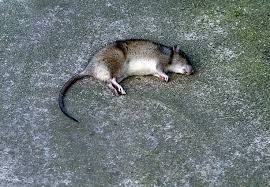
    What does a dead rat smell like? It is a putrid odor is a nasty mix of chemicals produced as the body decomposes, including sulfur dioxide and methane. The best way to describe it would be the rotting smell of death.

    The bigger the animal, the more tissue to break down, the more time needed to decompose. Rats are larger than mice, so the smell of a dead rat is likely to be stronger and last longer than that of a mouse. Still, unless you can actually see the animal, you might not be able to determine whether you have a dead rat or a dead mouse in the house.

    Regardless of whether it’s a rat or mouse, or squirrel, it is difficult to calculate how long the smell of a dead animal will last. It may take days or weeks for the carcass to dry out and the odor to naturally and completely disappear. Because we are on the West Coast, the humidity will affect the process and make the nauseating odor even more intense. So, if a rat dies near moist areas in your home or vehicle, it may be “ripe” for a long time.

    How to get rid of a dead rat smell

    You need to be aware of the dangers of rodent droppings.

    Also, you need to understand the dangers of Hantavirus Pulmonary Syndrome (HPS), which can be fatal. People become infected through contact with hantavirus-infected rodents or their urine and droppings.

    Find the source. When you find the dead rat smell, start looking for an increased presence of flies, maggots, beetles and other insects that are attracted to dead animals. If flies seem to be nearby or landing near a specific area on a wall or floor, try a “sniff test.” Determine if the smell is stronger at that spot? Look for stains as sometimes bodily fluids seep out of a carcass. In addition, keep an eye out for stains on drywall or ceiling tiles. Rats do not always die in plain sight or within easy reach. They are nocturnal beings that prefer to hang out in small spaces that offer plenty of hiding places.

    Next step is to removing the dead animal and ventilate the area. Sometimes desperate times call for desperate measures, and the process of extricating one dead rat from your home or vehicle may include cutting through walls or floors, replacing ceiling tiles, pulling up carpets, etc.

    In some cases, the best solution is to leave the dead animal where it is, and let Pacific Decontamination Services take over.

    Here are some additional tips on how to tackle the dangerous bacteria that rodents bring.

    If you decide to remove the dead rat carcass, seal it in a plastic bag and dispose of it promptly. Read these safeguards and always wear protective gloves and clothing, including a dust filter mask or respirator, whenever handling wild animals, dead or alive.

    Finding the root cause of your rat problem.

    Rats and mice are smart and resourceful animals. They are also limber and can squeeze through very small openings. Cover vents, seal holes in walls and foundations and look for gaps around roof soffits and loose pipes.

    Prevention is the key to avoiding the dead rat smell. If you’re trying to address a rat problem, traps are preferred to poison bait. Rats may eat the poison and later die in an area of your home where their bodies cannot be removed. We do not recommend using poison.

    Remember, keeping rats out of your home is the best way to prevent one from dying and creating an unpleasant situation. Read our blog on how to Rat Proof Your Home.

    What do you do next? How do you solve the challenge of bacteria left by rats and mice?

    We hope you won’t ever find yourself with a pest control problem, but, if you do, reach out to Pacific Decontamination Services at 778-269-0208 and talk to us.

    Not only will we neutralize all dangerous bacteria, we will help you root problem solve your rodent problem without having to subscribe to a monthly pest control service.

    Pacific Decontamination Services uses the world’s strongest, most effective and safe antimicrobial disinfectant, deodorization and chemical decontaminate. Our professional application will eliminate up to 99.99999% of any allergen, germ, bacteria or fungus that it touches. AND as powerful as it is, it is also completely safe.

    Serving All of Vancouver Island: Victoria, Cowichan, Duncan, Nanaimo, Parksville, Qualicum, Courtenay, Comox, Campbell River, and Port Alberni.